
Mechanical Design Process for Construction Projects
Most American construction projects lose valuable time and budget due to unclear mechanical design requirements. For Florida mechanical engineers and project managers, every missed detail can mean permit setbacks or costly redesigns. This guide gives you proven steps for defining, developing, and validating mechanical design so you can deliver accurate documentation and achieve faster regulatory approval while staying fully aligned with project goals.
Table of Contents
- Step 1: Define Project Requirements And Objectives
- Step 2: Develop Mechanical Concepts And Select Systems
- Step 3: Create Detailed Mechanical Design And Documentation
- Step 4: Review For Compliance And Coordinate With Other Trades
- Step 5: Verify Design Accuracy And Prepare For Permitting
Quick Summary
| Key Insight | Explanation |
|---|---|
| 1. Engage Stakeholders Early | Collaborate with all key participants to understand their vision and expectations clearly. |
| 2. Document Requirements Precisely | Use specific, verifiable language to outline technical parameters, ensuring clarity and mutual understanding. |
| 3. Validate Design Against Standards | Regularly assess compliance with industry codes and project specifications throughout the design phases. |
| 4. Create Detailed Documentation | Produce comprehensive technical drawings and specifications to guide fabrication and construction processes effectively. |
| 5. Coordinate with Other Trades | Foster communication with electrical, plumbing, and structural teams to avoid design conflicts and ensure seamless integration. |
Step 1: Define project requirements and objectives
Defining project requirements is your strategic roadmap for successful mechanical design in construction projects. You will establish clear, actionable guidelines that transform client needs into precise engineering specifications.
The process begins with comprehensive stakeholder engagement. Meet with all key participants to capture their vision, constraints, and expectations. Use structured interviews and collaborative workshops to uncover detailed project requirements. Your goal is translating abstract client desires into concrete, measurable objectives. Start by documenting functional requirements that specify what the mechanical system must accomplish performance-wise.
Carefully document each requirement using specific, verifiable language. Break down complex expectations into discrete, achievable components. Develop consistent and unambiguous specifications that leave no room for misinterpretation. Include quantitative metrics whenever possible technical parameters like load capacity, efficiency ratings, spatial constraints, and environmental performance standards.
Here’s a quick summary of common project requirements and key technical parameters for mechanical design:
| Requirement Area | Typical Focus | Engineering Impact |
|---|---|---|
| Functional | Performance goals | Determines system capabilities |
| Quantitative Metrics | Measurable parameters | Guides technical specifications |
| Spatial Constraints | Physical placement | Affects design layouts and sizing |
| Environmental Standards | Sustainability, efficiency | Influences system choice |
| Regulatory Compliance | Code adherence | Ensures project approval |
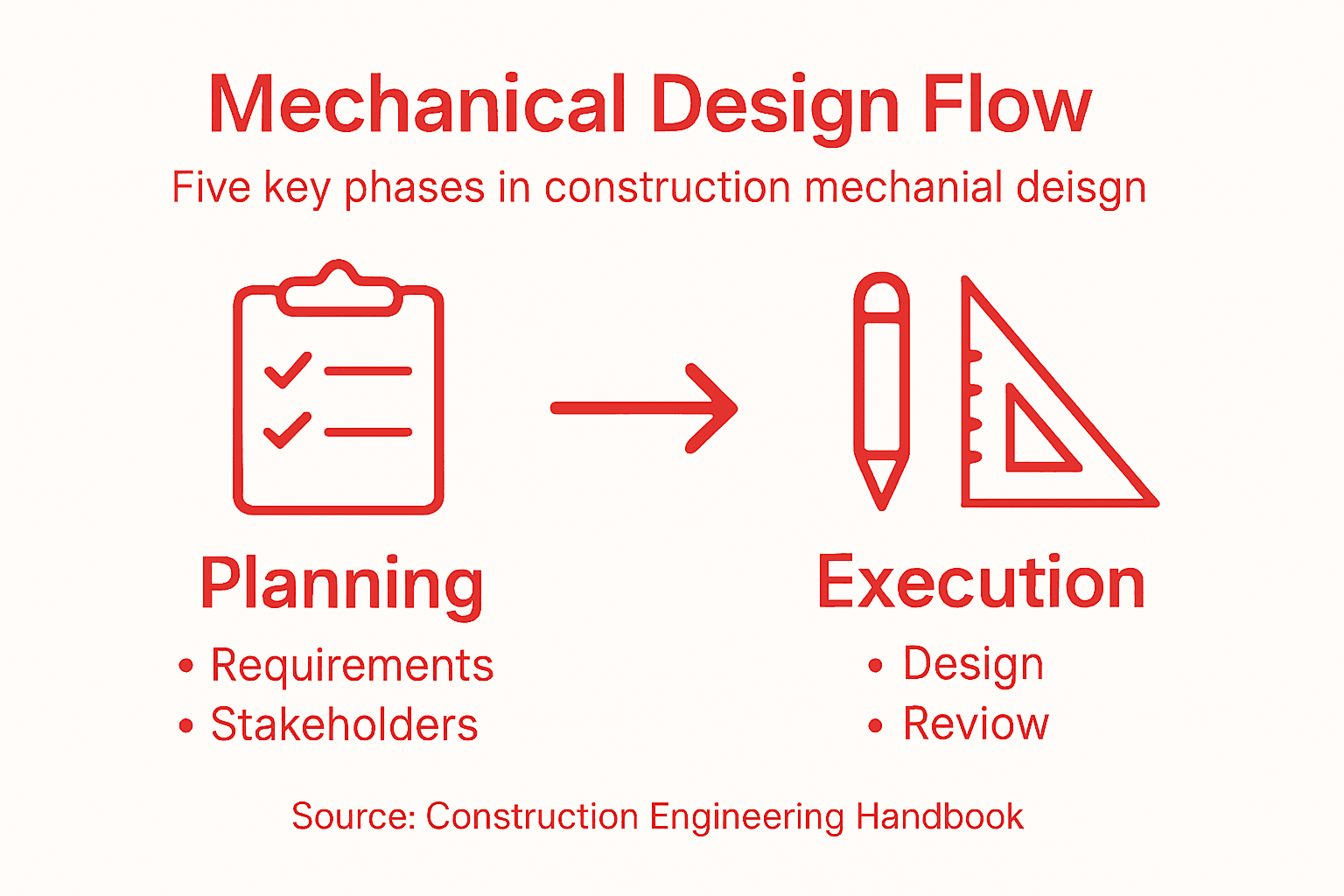
Expert Advice: Always validate requirements with multiple stakeholders to ensure comprehensive understanding and alignment before proceeding to design phases.
Step 2: Develop mechanical concepts and select systems
In this critical stage of mechanical design, you will transform initial project requirements into tangible engineering solutions that meet performance and functionality goals. Your objective is to generate innovative mechanical system concepts that align precisely with project specifications.
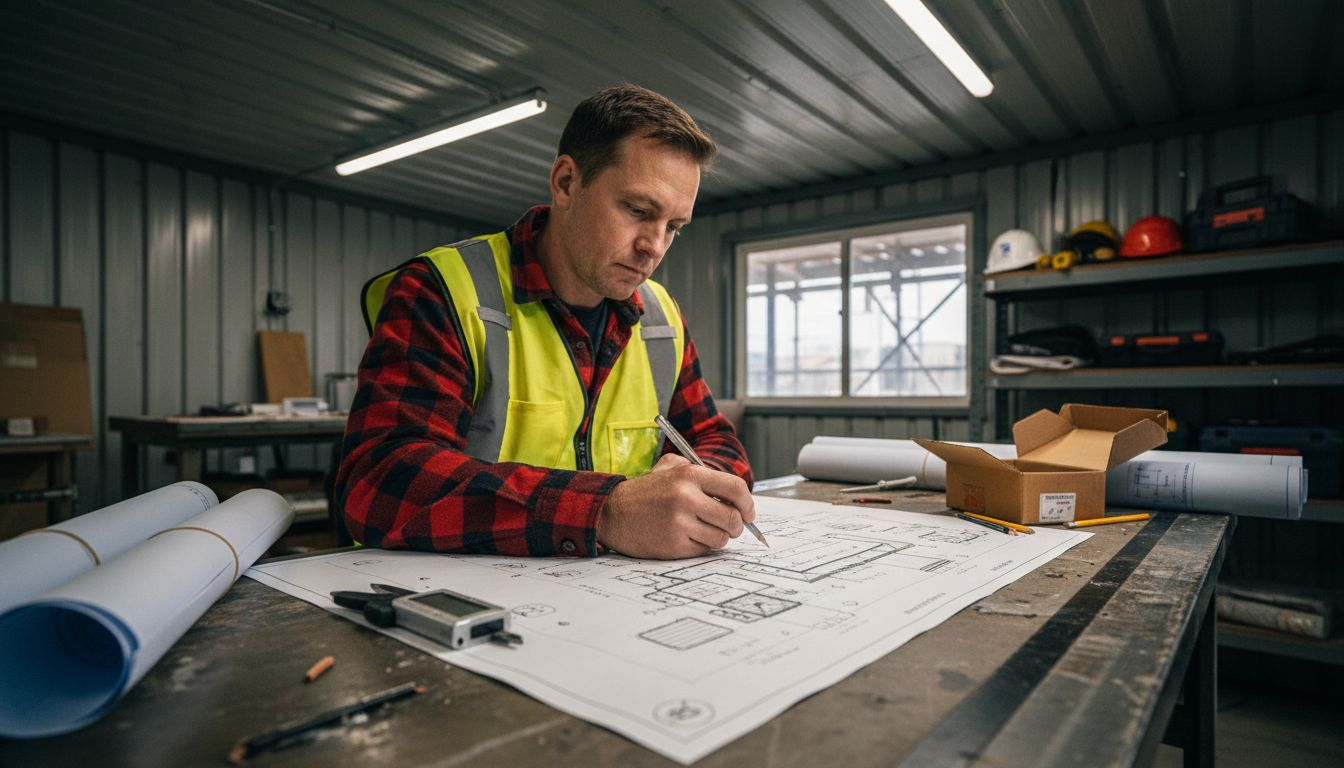
Begin by exploring systematic mechanical design principles that integrate mechanics, thermodynamics, and control strategies. Generate multiple conceptual designs that address key performance parameters such as structural integrity, energy efficiency, and system compatibility. Sketch preliminary concepts that visualize how different mechanical systems could potentially solve project challenges. Evaluate each concept against your established project requirements evaluating factors like load capacity, thermal performance, spatial constraints, and integration potential with other building systems.
Next, conduct comprehensive comparative analysis to select the most appropriate mechanical system. Optimize design through detailed performance analysis that considers functional requirements, cost effectiveness, and long-term operational sustainability. Create detailed computational models and simulations to validate each concept systematically. Prioritize solutions that demonstrate superior technical performance while maintaining alignment with project budget and timeline constraints.
Here’s a side-by-side comparison of mechanical concept selection methods used in engineering design:
| Selection Method | Key Features | Main Advantage |
|---|---|---|
| Comparative Analysis | Performance/cost review | Balanced decisions |
| Simulation Modeling | Computational validation | Accurate predictions |
| Stakeholder Input | User-centric evaluations | Greater alignment |
Pro Tip: Always document your design decision rationale comprehensively to provide clear traceability between initial requirements and final system selection.
Step 3: Create detailed mechanical design and documentation
In this critical phase, you will transform your mechanical concepts into comprehensive engineering documentation that serves as the blueprint for construction and implementation. Your goal is to produce precise technical drawings and specifications that communicate exact design requirements to fabricators and contractors.
Detailed mechanical design requires creating precise configurations that address every technical parameter of your project. Develop orthographic drawings that showcase multiple views of each mechanical component, ensuring complete visual representation of system architecture. Include critical specifications like material tolerances, dimensional constraints, and performance characteristics. Create comprehensive parts lists that enumerate every individual component with exact specifications including material type, manufacturing process, and quality standards.
Focus on generating mechanical systems drawings with comprehensive technical information that cover HVAC, plumbing, and other critical mechanical equipment. Incorporate orthographic views, assembly instructions, and fabrication details that will guide on-site installation and construction permitting processes. Validate each drawing for accuracy, ensuring that technical specifications align perfectly with initial project requirements and can be understood by manufacturing and construction teams.
Pro Tip: Use digital design software with version control to track and manage technical documentation revisions systematically.
Step 4: Review for compliance and coordinate with other trades
In this critical phase of mechanical design, you will ensure your project meets all regulatory standards and achieves seamless integration across different engineering disciplines. Your primary objective is to validate design compliance and establish effective communication channels with electrical, plumbing, structural, and other related trade professionals.
Comprehensive design review requires systematic compliance assessment that examines every technical detail against industry standards and project specifications. Organize collaborative meetings with representatives from electrical, structural, and plumbing teams to identify potential system conflicts and integration challenges. Analyze each mechanical design component for potential intersections with other building systems, focusing on spatial requirements, load distributions, and performance interdependencies. Create detailed conflict resolution matrices that map out potential interface issues and develop proactive mitigation strategies.
Ensure rigorous compliance with safety and occupational standards that govern mechanical system design and implementation. Conduct thorough cross-disciplinary reviews that validate technical specifications against local building codes, national regulations, and project specific requirements. Document all review findings comprehensively, generating clear recommendations for design modifications that resolve potential conflicts and enhance overall system performance and safety.
Pro Tip: Implement a digital collaboration platform that allows real-time design review and simultaneous input from multiple trade professionals.
Step 5: Verify design accuracy and prepare for permitting
In this crucial stage of your mechanical design process, you will meticulously validate your technical specifications and prepare comprehensive documentation for regulatory approval. Your goal is to ensure that every aspect of your design meets precise engineering standards and is ready for official permitting review.
Verification and validation processes confirm design requirements by systematically checking each technical specification against project objectives. Conduct a detailed line-by-line review of all mechanical design documents, comparing them against original project requirements. Create comprehensive checklists that validate dimensional accuracy, performance parameters, material specifications, and compliance with local building codes. Develop detailed traceability matrices that demonstrate how each design element satisfies specific project and regulatory requirements.
Project validation establishes design feasibility through collaborative assessments that identify potential risks and refinement opportunities. Engage with local permitting authorities early to understand specific documentation requirements. Prepare a robust submittal package that includes detailed drawings, performance calculations, material certifications, and compliance statements. Anticipate potential questions by developing supplementary documentation that provides clear explanations of your design decisions and technical approaches.
Pro Tip: Schedule a pre-submission review with a local permitting expert to identify and resolve potential compliance issues before formal document submission.
Streamline Your Mechanical Design Process with Expert Engineering Support
Navigating the complex mechanical design process for construction projects can be overwhelming. From defining detailed project requirements to coordinating across multiple trades and ensuring compliance, each step demands precision and expertise. If you struggle with translating abstract client needs into clear engineering specifications or worry about preparing accurate documentation for permitting, you are not alone. Our range of services at Florida Licensed Engineers is specifically tailored to address these challenges.

Take control of your mechanical system designs by partnering with experienced professionals who provide comprehensive solutions including blueprint creation, inspections, and permitting expediter services. We also offer interdisciplinary collaboration on Architectural, Structural, Mechanical, Electrical, and Plumbing Plans to guarantee seamless integration and compliance. Visit our service overview to learn more about how we can help you deliver projects efficiently and confidently at Engineering Services. Don’t let the complexity of design reviews and regulatory approvals delay your project. Connect with us today at Florida Licensed Engineers and ensure your mechanical designs meet every technical requirement with expert oversight.
Frequently Asked Questions
What are the first steps in the mechanical design process for construction projects?
The first steps involve defining project requirements and objectives. Engage with all key stakeholders to gather their needs and expectations, and document these requirements clearly to ensure everyone is aligned before moving to the design phase.
How do I develop mechanical concepts that meet project specifications?
To develop mechanical concepts, start by analyzing the documented requirements and generate multiple design options. Evaluate each concept based on performance parameters and potential integration with other systems, refining your selections through comparative analysis and simulations.
What types of documentation are necessary for detailed mechanical design?
Detailed mechanical design requires creating precise technical drawings and specifications that include material tolerances and performance characteristics. Utilize orthographic drawings and comprehensive parts lists to communicate all necessary information to contractors and fabricators.
How do I ensure regulatory compliance in my mechanical design?
To ensure compliance, perform a systematic review of your design against industry standards and local building codes. Organize meetings with other trades to identify potential conflicts and document all findings, ensuring your design complies with safety and occupational standards.
What steps should I take to verify my design before permitting?
Begin by conducting a detailed verification and validation process to compare your specifications against the project requirements. Prepare a thorough submittal package for permit approval that includes drawings, performance calculations, and compliance statements, and consider scheduling a pre-submission review to address any potential issues.
Recommended
- Why Mechanical Design Matters for Florida Projects – FloridaLicensedEngineers.com
- Engineering Project Workflow: Florida Compliance and Success – FloridaLicensedEngineers.com
- Architectural Plans Step by Step for Any Project – FloridaLicensedEngineers.com
- How to Create Architectural Drawings for Your Project – FloridaLicensedEngineers.com
- system architecture – ParakeetAI
