
Energy Efficiency in Engineering: Florida Project Impact
Florida architects and contractors know that delivering comfort and cutting energy costs is a constant demand in residential and commercial projects. Choosing energy efficiency is not just about saving money—it means designing smarter systems that provide consistent performance. By focusing on technical improvements and strategic design, you achieve buildings with lower operating costs and better climate resilience. This approach ensures lasting benefits for both your clients and Florida’s environment by prioritizing energy efficiency in every engineering decision.
Table of Contents
- Defining Energy Efficiency In Engineering
- Major Types Of Energy-Efficient Systems
- Design Principles And Practical Applications
- Florida Energy Codes And Compliance Standards
- Financial Benefits And Project Cost Implications
- Common Pitfalls In Energy Optimization
Key Takeaways
| Point | Details |
|---|---|
| Energy efficiency vs. conservation | Energy efficiency focuses on technological improvements that reduce energy use without sacrificing comfort, while conservation relies on behavior changes from occupants. |
| Integrated design is vital | Collaborative design across engineering disciplines ensures that mechanical, electrical, and structural systems work together for optimal energy performance. |
| Compliance with Florida codes | Understanding Florida’s specific energy codes is crucial for ensuring that building designs meet legal standards and enhance efficiency. |
| Financial benefits | Investing in energy-efficient systems leads to significant long-term savings, higher property values, and potential financial incentives that offset initial costs. |
Defining Energy Efficiency in Engineering
Energy efficiency in engineering means accomplishing the same work, cooling, heating, or lighting with less energy input. It’s not about doing without comfort or functionality. Rather, it’s about optimizing how systems convert and use energy to deliver the services you need. For Florida-based architects and contractors, this distinction matters significantly because your clients expect modern comfort alongside lower operating costs. The approach combines technical improvements in equipment performance with smart design decisions that reduce waste throughout the building’s lifecycle.
At its core, energy efficiency represents the technical performance of systems that minimize energy consumption while maintaining or improving service delivery. This differs fundamentally from energy conservation, which relies on behavioral changes like turning off lights or adjusting thermostats manually. Efficiency improvements happen through infrastructure, equipment selection, and design strategy rather than occupant discipline alone. When you specify efficient HVAC systems or implement proper insulation strategies in your blueprints, you’re creating lasting efficiency that persists regardless of how occupants interact with the building.
Here’s a quick comparison of energy conservation and energy efficiency in engineering projects:
| Aspect | Energy Efficiency | Energy Conservation |
|---|---|---|
| Definition | Minimizes energy use via technology/design | Reduces energy by changing occupant behavior |
| Typical Measures | Efficient HVAC, insulation, smart controls | Turning off lights, manual thermostat changes |
| Lasting Impact | Long-term improvement (system upgrades) | Short-term savings dependent on user actions |
| Occupant Involvement | Low – persists regardless of behavior | High – requires ongoing discipline |
The practical benefits extend beyond environmental responsibility. Energy-efficient buildings translate directly to lower utility bills for your clients, reduced strain on electrical infrastructure during peak demand periods, and measurable reductions in greenhouse gas emissions. For residential projects, this might mean specifying high-performance windows that minimize heat transfer in Florida’s intense sun. For commercial developments, it could involve designing effective drainage and grading systems that prevent water pooling and reduce cooling loads. The connection between proper site engineering and energy performance often gets overlooked, but efficient energy conversion reduces both operational costs and environmental impact. When you approach energy efficiency holistically during the planning phase, these systems work together seamlessly rather than fighting against each other.
In Florida’s climate, energy efficiency carries particular weight. Your region’s cooling demands are relentless, making HVAC efficiency critical for any project. The state’s flood mitigation requirements and elevation analysis work hand-in-hand with efficient design because proper grading, utility placement, and structural considerations all influence how much energy a building ultimately consumes. Buildings that perform well across multiple engineering disciplines—mechanical systems, structural integrity, proper drainage—naturally achieve better energy outcomes. This is why including energy efficiency discussions during the initial blueprint phase, rather than treating it as an afterthought, produces measurably better results for your clients and their properties.
Pro tip: Begin energy efficiency conversations during your initial site assessment and permitting discussions. Understanding local Florida building codes, flood elevation requirements, and climate factors early allows you to integrate efficient design strategies into your structural and mechanical plans from day one, rather than retrofitting expensive solutions later.
Major Types of Energy-Efficient Systems
When you’re planning a residential or commercial project in Florida, you’ll encounter several categories of energy-efficient systems. Each serves a distinct purpose, yet they work together to reduce your client’s energy consumption across their entire property. Understanding these system types helps you make informed specification decisions during the design phase. The most impactful systems fall into mechanical, electrical, building envelope, and site-level categories. Rather than treating each in isolation, savvy engineers integrate them into a cohesive strategy that maximizes performance across all disciplines.
Mechanical systems consume the majority of energy in most Florida buildings. Your HVAC selections represent the single largest opportunity for efficiency gains in residential properties. High-efficiency air conditioning units with proper refrigerant management and correctly sized ductwork prevent energy waste that plagues poorly designed systems. Beyond cooling and heating, mechanical systems like pumps and compressors require optimization through variable frequency drives and advanced motor technology. Water heating systems deserve attention too. Tankless water heaters or heat pump models dramatically reduce standby losses compared to traditional tanks. In commercial projects, consider how your drainage design and grading strategy influence mechanical load. Properly graded sites prevent water accumulation that forces HVAC systems to work harder in humid Florida conditions.
Building Envelope and Electrical Systems
Your building’s envelope acts as the first line of defense against Florida’s heat and humidity. Windows, insulation, and roofing materials determine how much energy mechanical systems must expend to maintain comfort. High-performance windows with low solar heat gain coefficients reduce cooling loads substantially in Florida’s intense sun exposure. Proper insulation in walls and attics prevents conditioned air from escaping. Cool roofing materials reflect rather than absorb solar radiation, keeping interior temperatures lower. Electrical systems offer equally critical efficiency opportunities. LED lighting uses 75 percent less energy than incandescent alternatives while lasting significantly longer. Motion sensors and daylight harvesting systems reduce lighting consumption in commercial spaces where occupancy varies throughout the day.
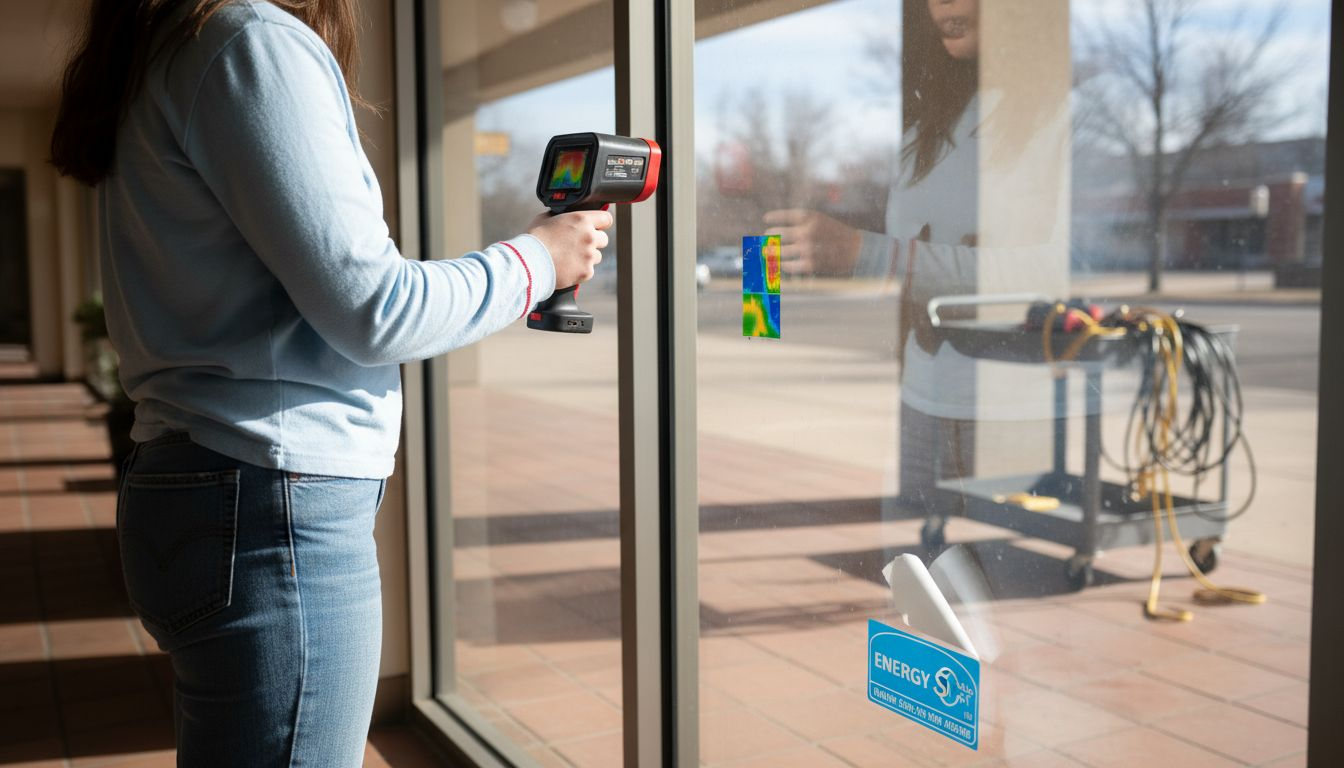
Building automation and energy management systems represent the smart layer across all other improvements. Smart thermostats learn occupant patterns and adjust temperatures accordingly. Real-time monitoring systems help identify equipment failures before they waste significant energy. These technologies work in concert with efficient energy production and transmission systems to optimize overall property performance. For Florida projects, integration of flood mitigation strategies with energy systems creates added value. Elevated mechanical equipment protects against damage while allowing proper airflow for efficient operation. Properly positioned utility lines prevent thermal bridging that undermines insulation performance. Site-level considerations matter too. Strategic landscaping and sun shading reduce heat gain on building surfaces. Permeable paving in parking areas reduces heat island effects and drainage stress. When you coordinate these diverse systems from the blueprint stage forward, efficiency becomes an inherent property of the project rather than an add-on expense.
Pro tip: During your initial mechanical and electrical planning conversations, request equipment specifications that include energy ratings and operating efficiency curves. Cross-reference these with your site drainage plans and building envelope details to identify where mechanical, structural, and site systems interact, then optimize at those connection points for maximum overall efficiency.
Design Principles and Practical Applications
Energy-efficient design doesn’t happen by accident. It requires intentional strategy from the earliest sketches through final construction documents. The principle that drives successful projects is integrated design, where mechanical, electrical, structural, and site engineers collaborate before anyone puts pencil to paper. This collaborative approach prevents the scenario where mechanical systems fight against poor building envelope choices, or where site drainage decisions undermine HVAC efficiency. For Florida projects specifically, this integration includes flood mitigation planning from day one, ensuring that elevation requirements, grading strategies, and mechanical placement all work in concert rather than creating conflicts that waste energy and inflate costs.
Practical applications start with understanding your project’s specific context. Florida’s intense solar radiation and high humidity demand different strategies than temperate climates. Window placement and specification become critical design decisions, not afterthoughts. Advanced building design incorporates smart window technologies with low-emissivity coatings that minimize solar heat gain while maximizing daylighting. This reduces both cooling loads and artificial lighting needs simultaneously. Strategic shading through architectural overhangs, exterior louvers, or vegetation prevents direct sun exposure during peak afternoon hours when cooling demand peaks. Orientation matters enormously. When possible, minimize east and west-facing glass exposure, concentrating glazing on north facades where diffuse light enters without direct solar gain. Your site plan should show how landscaping, building placement, and hardscape materials influence thermal performance. Light-colored paving and vegetation create cooler microclimates around buildings, reducing the urban heat island effect that forces air conditioning systems to work harder.
Compliance with energy codes provides the foundation for efficiency specifications. Integrated design practices combine construction techniques, materials, and equipment to optimize building performance while meeting regulatory requirements. In Florida, this means understanding current energy code requirements for HVAC efficiency ratings, window U-values and solar heat gain coefficients, insulation R-values, and lighting power density limits. Rather than viewing code compliance as a burden, treat it as your baseline expectation. Build beyond minimums where project economics allow. Specify equipment with higher efficiency ratings than code requires. Design building envelopes with superior thermal resistance. These decisions pay dividends through reduced utility bills over the building’s lifetime.
Implementation Strategy for Your Projects
Begin implementation by establishing an energy performance target during the feasibility phase. Define what efficiency looks like for your specific project type and location. Will you pursue net-zero energy performance? Passive house certification? Standard code compliance? Once you establish the target, every subsequent design decision filters through that lens. Your MEP engineers should model energy consumption at key design phases, not just at the end. These models identify underperforming strategies early when changes remain affordable. Coordinate elevation certificates and flood mitigation requirements with mechanical system placement so that elevated equipment still receives adequate airflow and maintenance access. Specify building automation systems that monitor energy use in real time, allowing property managers to identify and address inefficiencies quickly. Train building operators on system capabilities so automation delivers promised performance rather than sitting idle because occupants don’t understand the controls. When you approach energy efficiency as an integrated discipline requiring collaboration across all engineering disciplines from project inception, your clients receive buildings that perform reliably, cost less to operate, and maintain occupant comfort across Florida’s challenging climate.
Pro tip: Include an energy modeling consultant in your design team starting at the conceptual phase. Early energy simulations reveal which design choices deliver the greatest efficiency gains for your specific project, allowing you to prioritize investments where they matter most and avoid expensive mistakes before construction documents are finalized.
Florida Energy Codes and Compliance Standards
Florida doesn’t follow a generic national approach to energy efficiency. Your state has developed specific legal frameworks that mandate particular energy performance standards across all construction types. Understanding these requirements isn’t optional for your projects. It’s the foundation on which every design decision rests. The Florida Building Code incorporates energy efficiency requirements that apply to everything from residential renovations to large commercial developments. These standards specify minimum performance levels for HVAC systems, lighting fixtures, building envelope components, and automated controls. When you design without knowing these requirements, you risk expensive redesigns during permitting or client frustration when they discover their project doesn’t meet code. The good news is that meeting Florida’s energy standards actually aligns with best practices. Code-compliant buildings cost less to operate and provide better occupant comfort.
Florida statutes establish mandatory energy efficiency requirements that go beyond basic building functionality. Florida requires automatic energy control systems, HVAC modifications, lighting upgrades, and energy recovery systems in new construction and substantial renovations. These aren’t suggestions. They’re legal minimums that inspectors will verify during the permitting and inspection phases. For residential projects, this means specifying equipment with specific efficiency ratings and installing controls that optimize performance. For commercial work, it requires more sophisticated systems like energy recovery ventilation and advanced lighting controls. Many architects and contractors treat code compliance as a checklist item to satisfy inspectors. That’s backward thinking. Use code requirements as your baseline and build upward. Specify systems that exceed minimum standards where project economics allow. The additional investment typically repays itself within five to ten years through lower utility bills, and your clients benefit from superior performance throughout the building’s lifetime.
Understanding the Code Framework
The International Energy Conservation Code and ASHRAE standards form the foundation for building energy codes that states adopt and enforce. Florida uses these model codes as the basis for the Florida Building Code energy provisions. This means requirements address standard categories that apply across all climates, but Florida has adapted requirements for subtropical conditions. Window solar heat gain coefficients matter tremendously in Florida’s intense sun. Insulation requirements account for cooling-dominated loads rather than heating. Ventilation standards reflect the state’s humidity challenges. When you’re specifying materials and equipment, consult the current Florida Building Code energy section to confirm exact requirements. Codes update periodically, and an approach that passed inspection three years ago might not meet current standards today.
Compliance verification happens at multiple stages. Your blueprints must demonstrate code compliance through energy calculations, material specifications, and system descriptions. Permitting authorities review these documents before issuing permits. Inspectors then verify during construction that installed systems match the approved plans. Understanding how engineers ensure building code compliance through comprehensive design documentation helps you prepare specifications that sail through permitting. Include energy performance calculations with your permit applications. Specify equipment with performance data that proves compliance. Provide equipment cut sheets showing efficiency ratings. Train your clients that code compliance represents a legal requirement, not an optional upgrade. When clients understand the legal framework, they’re more willing to invest in the specifications and systems necessary to meet requirements. Projects that address energy code compliance from initial design phases experience faster permitting, fewer redesigns during construction, and satisfied clients who receive buildings that perform as promised.
Pro tip: Create a code compliance checklist during your initial design phase that addresses each energy code requirement category: HVAC efficiency, window performance, building envelope insulation, lighting power density, and automated controls. Reference this checklist throughout design development to catch compliance gaps early when modifications remain affordable, rather than discovering issues during permit review.
Financial Benefits and Project Cost Implications
Clients often balk at energy efficiency investments when comparing upfront costs. They see the price tag for high-performance windows, efficient HVAC systems, and smart controls and immediately calculate the budget impact. Your job is helping them see the complete financial picture. Energy-efficient buildings deliver measurable returns through reduced operating costs that accumulate year after year. A residential client paying 18 percent less on utility bills every month adds up to thousands of dollars annually. Commercial properties with optimized HVAC systems and lighting controls see 20 to 30 percent reductions in energy consumption compared to standard code-minimum buildings. These savings compound over decades. More importantly, energy-efficient properties command higher resale values and attract better tenants willing to pay premium rents. When you frame energy efficiency as a financial investment rather than an environmental luxury, clients become enthusiastic partners in implementing comprehensive strategies.
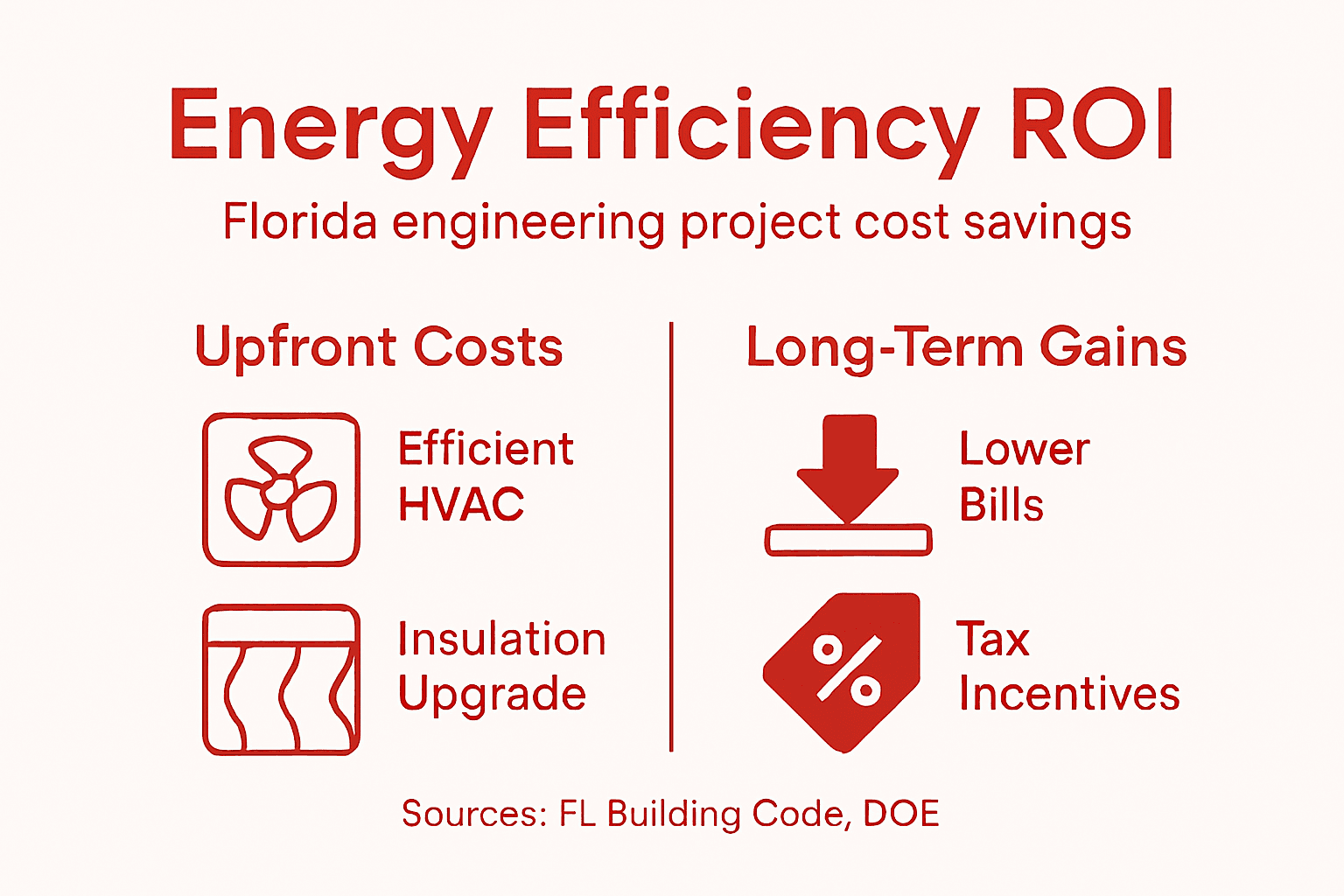
Beyond operational savings, significant financial incentives exist that reduce upfront costs. Federal programs including grants, loans, and tax credits support energy efficiency and renewable energy projects across residential and commercial sectors. These aren’t obscure programs available only to large corporations. Many incentives target residential homeowners and small commercial developers. Florida state programs, utility rebates, and federal tax credits can offset 20 to 40 percent of efficiency upgrade costs depending on the specific improvements. A homeowner installing a high-efficiency air conditioning system might qualify for federal tax credits covering 30 percent of equipment costs plus utility rebates covering another 15 to 20 percent. That dramatically improves project economics. When you’re preparing project budgets, research available incentives early. Include them in your financial projections so clients understand their actual net investment. A project that appears expensive at full cost might be highly affordable once incentives are factored in.
Quantifying Long-Term Financial Returns
Calculate payback periods for energy efficiency investments using realistic utility rate projections. Most Florida homeowners spend 1200 to 2500 dollars annually on cooling alone, depending on property size and efficiency. Commercial properties with large HVAC loads might spend five to ten times that amount. When you specify equipment that reduces consumption by 25 percent, you’re generating 300 to 625 dollars in annual savings for residential clients and thousands for commercial properties. Equipment upgrades costing 8000 to 12000 dollars pay for themselves in 10 to 20 years while also improving comfort and reducing environmental impact. Many efficiency upgrades actually pay back faster than those timelines suggest when you account for declining utility bills reducing the effective payback period.
State and local governments can leverage federal financing programs that reduce upfront costs for residential energy efficiency improvements, making upgrades accessible to more property owners. When these financing mechanisms are combined with tax credits and utility rebates, the barrier to adoption drops significantly. Your clients gain access to low-cost capital for efficiency investments while maintaining cash flow for other business priorities. Present energy efficiency not as a cost but as an investment with measurable returns. Show clients the monthly utility savings projection. Calculate the 10-year cumulative savings. Compare energy-efficient property values to standard properties in comparable markets. Include operation and maintenance cost reductions since efficient equipment often requires less service. When you present the complete financial story, clients see that choosing energy efficiency delivers superior long-term value while reducing operating complexity and environmental impact. That’s a compelling combination that generates genuine client enthusiasm rather than reluctant acceptance.
To clarify key financial factors, here is a summary of economic benefits from energy-efficient building investments:
| Benefit | Residential Impact | Commercial Impact | Typical Payback Period |
|---|---|---|---|
| Annual Utility Savings | $300–$625 | Thousands of dollars | 5–20 years |
| Resale Value Increase | Higher home value | Premium office rents | Immediate to long-term |
| Incentives/Tax Credits | 20–40% cost offset possible | Similar % for major upgrades | Reduces upfront cost |
| Maintenance/Operating Cost Cuts | Fewer repairs, less service | Lower downtime, longer lifespan | Throughout equipment life |
Pro tip: During project feasibility discussions, request a list of available federal tax credits, state rebates, and utility company incentives specific to your client’s location and project type. Include these incentive amounts in your initial budget presentation so clients understand their true net cost and investment return, making energy efficiency decisions far easier.
Common Pitfalls in Energy Optimization
Energy optimization projects fail more often from design philosophy than from technical limitations. You’ve likely seen projects where architects specified expensive equipment without considering how systems interact, or where contractors installed high-efficiency components that underperform because nobody coordinated the overall strategy. These failures stem from predictable mistakes that you can avoid. The most damaging pitfall is treating energy efficiency as a collection of isolated improvements rather than a cohesive system requiring integrated design. A client installs a high-efficiency air conditioning unit but neglects building envelope upgrades, so the system works overtime fighting heat gain from poor insulation and ineffective shading. Another project specifies excellent windows but places them on the west facade without exterior shading, so solar heat gain negates the window performance benefits. These aren’t component failures. They’re design failures caused by addressing efficiency improvements in isolation rather than as an interconnected whole. Every mechanical choice influences structural and site-level requirements. Every site design decision impacts mechanical loads. When you approach projects holistically from initial planning, you prevent these costly coordination failures.
Another critical mistake is neglecting real-time monitoring and adaptive control systems. Clients invest in efficient equipment but never implement the controls that optimize performance. A building with smart HVAC controls can reduce consumption by an additional 15 to 25 percent compared to identical equipment operating on basic thermostats. Common pitfalls in energy optimization include underestimating real-time monitoring and adaptive control importance in achieving actual performance targets. Equipment specifications alone don’t guarantee results. You need automated systems that adjust operations based on actual conditions. Motion sensors that turn off lights in unoccupied rooms. Smart thermostats that learn occupancy patterns and adjust temperatures accordingly. Building automation systems that monitor energy consumption in real time and alert operators to inefficiencies. These control systems often cost only 10 to 15 percent more than basic options yet deliver disproportionate performance improvements. When you specify equipment without controls, you’re leaving 15 to 25 percent of potential savings unrealized. That’s waste you can eliminate through thoughtful specification and client education about the critical role of controls in delivering promised efficiency.
Technical and Design Coordination Errors
Calculation errors and inconsistent assumptions undermine many projects. Proper system boundary definition, accurate calculations, and attention to detail prevent optimization failures in energy engineering. Florida-specific examples include miscalculating solar heat gain without accounting for your region’s intensity, underestimating humidity impacts on dehumidification loads, or sizing HVAC equipment based on design day conditions without considering part-load performance. These calculation errors lead to oversized equipment that cycles inefficiently or undersized equipment that fails to maintain comfort during peak demand. Verify all energy calculations independently. Don’t accept preliminary estimates as final values. Request detailed load calculations from your mechanical engineers showing how they derived HVAC sizing recommendations. Cross-check assumptions about insulation performance, window properties, and equipment efficiency ratings. When documentation is vague or assumptions seem questionable, push for clarification before finalizing specifications.
Failure to coordinate with flood mitigation and elevation requirements creates another class of pitfalls unique to Florida. Elevated mechanical equipment must maintain adequate ventilation and drainage while meeting elevation height requirements. Water in mechanical spaces damages equipment and creates mold conditions. Poor coordination results in mechanicals placed in flood-vulnerable locations despite elevation requirements, or elevated so high that service access becomes impractical. Your site drainage and grading design directly influences mechanical load, yet many architects and contractors specify HVAC equipment before finalizing site hydrology strategy. Coordinate elevation certificates, flood analysis, and mechanical placement simultaneously. Show how your site grading strategy manages water away from mechanical spaces while maintaining code compliance. Demonstrate that elevated equipment has adequate clearance for service and replacement. When site, mechanical, and structural systems coordinate from initial design phases, you prevent expensive redesigns during permit review and construction. That coordination also ensures that efficiency strategies actually deliver promised performance rather than creating unintended consequences that force operational compromises.Pro tip: Before finalizing any energy efficiency specification, conduct a system interaction review documenting how each major component choice affects other systems: How does window specification influence cooling loads and HVAC sizing? How does site drainage design affect ground-level moisture and thermal bridging? How do elevation requirements impact mechanical placement and ventilation? Document these interactions explicitly so coordination gaps surface early when corrections remain affordable.
Enhance Your Florida Projects with Proven Energy Efficiency Expertise
Energy efficiency in engineering challenges Florida architects and contractors to deliver comfort while minimizing energy waste. The complexity of integrating HVAC efficiency, building envelope upgrades, and site-specific flood mitigation requires a cohesive engineering strategy. Clients demand lasting savings, reliable performance, and compliance with Florida’s strict building codes. Avoid common pitfalls like uncoordinated systems and code noncompliance by engaging experts who understand the nuances of integrated design.
Engineering and Inspection Archives – Florida Licensed Engineers offers insights into how top-tier engineering services drive project success. 
Discover how our team at Florida Licensed Engineers supports your residential and commercial projects with comprehensive solutions including architectural, structural, mechanical, electrical, plumbing, and civil engineering services. From precise drainage and grading plans to flood mitigation analysis with elevation and no rise certificates, we help you exceed energy code compliance and optimize system performance. Don’t leave your clients’ comfort, savings, and legal compliance to chance. Visit our site today to learn more and take the first step toward smarter, more efficient Florida projects.
Frequently Asked Questions
What is energy efficiency in engineering?
Energy efficiency in engineering refers to achieving the desired results, such as heating, cooling, or lighting, while using less energy. It involves optimizing systems to reduce energy consumption without compromising comfort or functionality.
How do energy efficiency improvements differ from energy conservation?
Energy efficiency improvements focus on technical enhancements in systems, like upgrading HVAC equipment or insulation, to minimize energy use. In contrast, energy conservation relies on behavioral changes, such as turning off lights or adjusting thermostats manually.
What are the main types of energy-efficient systems to consider in building projects?
The main types of energy-efficient systems include mechanical systems (like HVAC and water heating), building envelope components (such as insulation and windows), electrical systems (like LED lighting), and site-level strategies (including landscaping and drainage). These systems are most effective when integrated as part of a cohesive design strategy.
What are the financial benefits of investing in energy-efficient buildings?
Investing in energy-efficient buildings can lead to significant cost savings through reduced utility bills, increased property resale value, and better tenant attraction. Additionally, various federal and state incentives can help offset initial costs, improving the overall return on investment.
Recommended
- Sustainable Engineering: Florida Impact on Energy, Safety – Florida Licensed Engineers
- Engineering Project Workflow: Florida Compliance and Success – FloridaLicensedEngineers.com
- Engineering Project Workflow: Florida Compliance and Success – Florida Licensed Engineers
- Why Mechanical Design Matters for Florida Projects – FloridaLicensedEngineers.com
- Thermal Waterproofing: Complete Guide for Property Owners
