
MEP Engineering: Boosting Project Efficiency in Florida

Many Florida contractors quickly discover that simply installing equipment is only part of what makes a building truly function. The crucial discipline of MEP engineering actually drives how mechanical, electrical, and plumbing systems interact to deliver comfort, safety, and energy efficiency that last well beyond day one. Understanding comprehensive MEP integration, from planning to code compliance, helps avoid costly mistakes and ensures every project meets Florida’s demanding building standards.
Table of Contents
- Defining MEP Engineering And Common Myths
- Types Of Mechanical, Electrical, And Plumbing Systems
- How MEP Engineering Supports Construction Projects
- Florida-Specific Codes And Compliance Requirements
- Risks, Liabilities, And Common Cost Mistakes
Key Takeaways
| Point | Details |
|---|---|
| MEP Engineering Importance | MEP engineering integrates mechanical, electrical, and plumbing systems to optimize building performance and energy efficiency. |
| Misconceptions | It is a common myth that MEP engineering is only about equipment installation and that all systems are the same across buildings. |
| Regulatory Compliance | MEP projects in Florida must adhere to stringent local codes and regulations to ensure safety and efficiency. |
| Risk Management | Effective risk management is essential in MEP engineering to anticipate challenges and avoid costly mistakes during project execution. |
Defining MEP Engineering and Common Myths
Mechanical, Electrical, and Plumbing (MEP) engineering represents a critical interdisciplinary approach to building system design that goes far beyond basic equipment installation. MEP engineering integrates complex mechanical, electrical, and plumbing systems to create functional, efficient, and sustainable building environments across residential and commercial projects in Florida.
At its core, MEP engineering involves sophisticated coordination of three primary system types:
- Mechanical Systems: Heating, ventilation, air conditioning (HVAC), and temperature control mechanisms
- Electrical Systems: Power distribution, lighting, communication networks, and safety systems
- Plumbing Systems: Water supply, drainage, waste management, and specialized fluid transportation networks
Contrary to popular misconceptions, comprehensive MEP system integration involves much more than simply installing equipment. MEP engineers utilize advanced technologies like Building Information Modeling (BIM) to design intricate systems that maximize energy efficiency, occupant comfort, and long-term performance.
Many Florida contractors mistakenly believe MEP engineering is a one-time installation process. In reality, it’s a complex, ongoing discipline involving detailed planning, precise design calculations, regulatory compliance, and continuous system optimization. MEP professionals must navigate stringent local building codes, environmental regulations, and performance standards specific to Florida’s unique climate and infrastructure requirements.
Common MEP Engineering Myths:
- Myth: MEP engineering is just about equipment installation
- Myth: All MEP systems are identical across different building types
- Myth: MEP design doesn’t significantly impact overall project efficiency
- Myth: Energy efficiency is an optional consideration in MEP planning
MEP engineering transforms building systems from isolated components into integrated, high-performance networks that drive project success.
Pro tip: Always engage MEP engineers early in your project planning to maximize system efficiency and prevent costly retrofit modifications.
Types of Mechanical, Electrical, and Plumbing Systems
Mechanical, electrical, and plumbing systems form the critical infrastructure backbone of modern buildings, each playing a unique and interconnected role in creating functional, efficient, and comfortable environments. Comprehensive MEP system design requires deep understanding of these complex subsystems and their intricate interactions.
Mechanical Systems focus on thermal comfort and air quality management:
- HVAC Components: Heating, ventilation, and air conditioning equipment
- Temperature control mechanisms
- Air handling units
- Ventilation ductwork
- Humidity regulation systems
- Thermal insulation technologies
Electrical Systems manage power distribution and safety infrastructure:
- Power transmission networks
- Lighting circuits
- Communication and data networks
- Emergency backup power systems
- Fire alarm and detection circuits
- Grounding and surge protection equipment
Plumbing Systems handle fluid transportation and waste management:
Here’s a quick summary of how mechanical, electrical, and plumbing systems differ in their roles and importance:
| System Type | Main Focus | Key Value to Building | Typical Challenges |
|---|---|---|---|
| Mechanical | Climate and air control | Comfort and air quality | Humidity management, energy use |
| Electrical | Power and safety systems | Reliable operations | Load balancing, outages |
| Plumbing | Water and waste movement | Health and sanitation | Leak detection, drainage |
- Potable water supply networks
- Sanitary waste drainage systems
- Stormwater management infrastructure
- Gas piping installations
- Specialized fluid transportation networks
- Water treatment and filtration systems
Successful MEP engineering requires seamless integration of mechanical, electrical, and plumbing systems to create high-performance building environments.
Key System Interactions:
- Temperature regulation impacts electrical load
- Lighting design influences mechanical ventilation
- Plumbing infrastructure affects overall building energy efficiency
- Safety systems interconnect across all MEP domains
In Florida’s unique climate, specialized mechanical design approaches become crucial for managing humidity, heat load, and energy consumption while maintaining optimal system performance.
The following table outlines the unique MEP engineering challenges and strategies for Florida’s climate:
| Challenge | Florida’s Impact | Effective MEP Strategy |
|---|---|---|
| High humidity | Increases HVAC demand | Advanced dehumidification systems |
| Hurricanes and storms | System vulnerability | Robust surge and wind protection |
| Salt air corrosion | Rapid equipment wear | Corrosion-resistant materials |
| Temperature extremes | Energy consumption | High-efficiency insulation |
Pro tip: Prioritize early collaboration between mechanical, electrical, and plumbing engineers to maximize system efficiency and prevent costly design conflicts.
How MEP Engineering Supports Construction Projects
MEP engineering plays a pivotal role in transforming construction projects from conceptual designs to functional, efficient, and sustainable built environments. Integrating Lean and Green technologies enables engineers to create comprehensive solutions that address multiple project challenges simultaneously.
Key Ways MEP Engineering Supports Construction Projects:
- Reduces design conflicts through early stakeholder collaboration
- Minimizes potential construction errors
- Enhances overall building performance and energy efficiency
- Provides cost-effective infrastructure solutions
- Ensures compliance with local building codes and regulations
- Supports long-term maintenance and operational effectiveness
The MEP engineering process involves multiple critical stages that directly impact project success:
- Preliminary Design and Feasibility Assessment
- Detailed System Integration Planning
- Comprehensive Performance Modeling
- Cost and Resource Optimization
- Ongoing Performance Monitoring
MEP engineering transforms complex technical challenges into streamlined, efficient building systems that maximize both functionality and sustainability.
In Florida’s challenging construction landscape, critical infrastructure planning becomes even more crucial. The state’s unique climate demands sophisticated mechanical, electrical, and plumbing solutions that can withstand extreme environmental conditions while maintaining optimal performance.
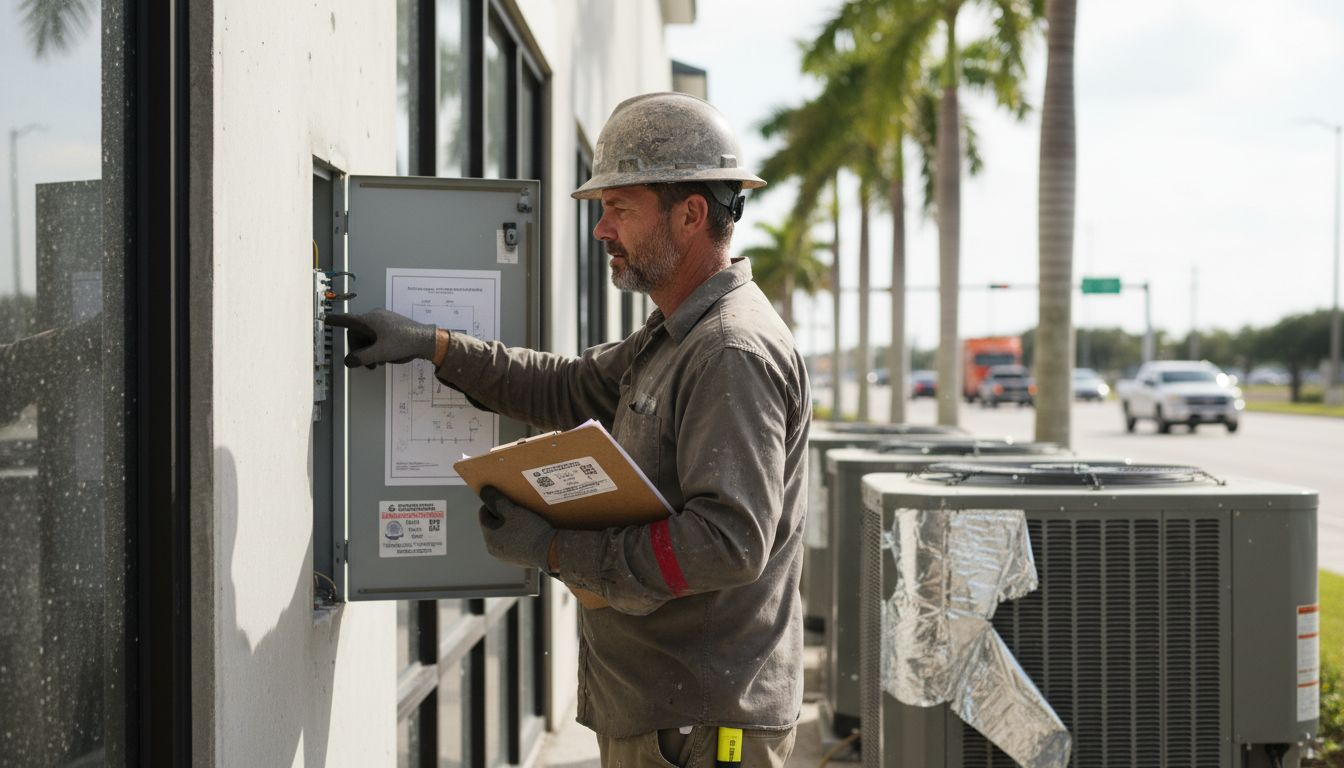
Constructors and project managers benefit from MEP engineering’s holistic approach, which goes beyond traditional design methodologies by incorporating advanced technologies and predictive modeling techniques. This approach helps anticipate potential issues, reduce unexpected expenses, and create more resilient building infrastructure.
Pro tip: Engage MEP engineers during the earliest project planning stages to maximize design efficiency and prevent costly retrospective modifications.
Florida-Specific Codes and Compliance Requirements
Florida’s engineering landscape demands rigorous adherence to complex regulatory frameworks that ensure public safety, infrastructure reliability, and professional accountability. Stringent engineering documentation standards govern every aspect of MEP engineering project submissions, creating a comprehensive system of checks and balances.
Critical Compliance Requirements for Florida MEP Projects:
- Detailed engineering calculations
- Precise material specifications
- Comprehensive code conformity documentation
- Professional engineering seal verification
- Compliance with local and state building regulations
- Demonstrated understanding of environmental constraints
Key Regulatory Bodies Governing MEP Engineering:
- Florida Board of Professional Engineers
- Florida Building Commission
- Department of Business and Professional Regulation
- Local Municipal Building Departments
- State Fire Marshal’s Office
Florida’s engineering regulations are designed to protect public safety by ensuring meticulous professional standards and comprehensive project documentation.
MEP engineers must navigate a complex web of regulatory requirements that extend far beyond basic design principles. These requirements encompass multiple layers of technical scrutiny, including structural integrity, energy efficiency, environmental sustainability, and safety protocols specific to Florida’s unique climatic and geological conditions.
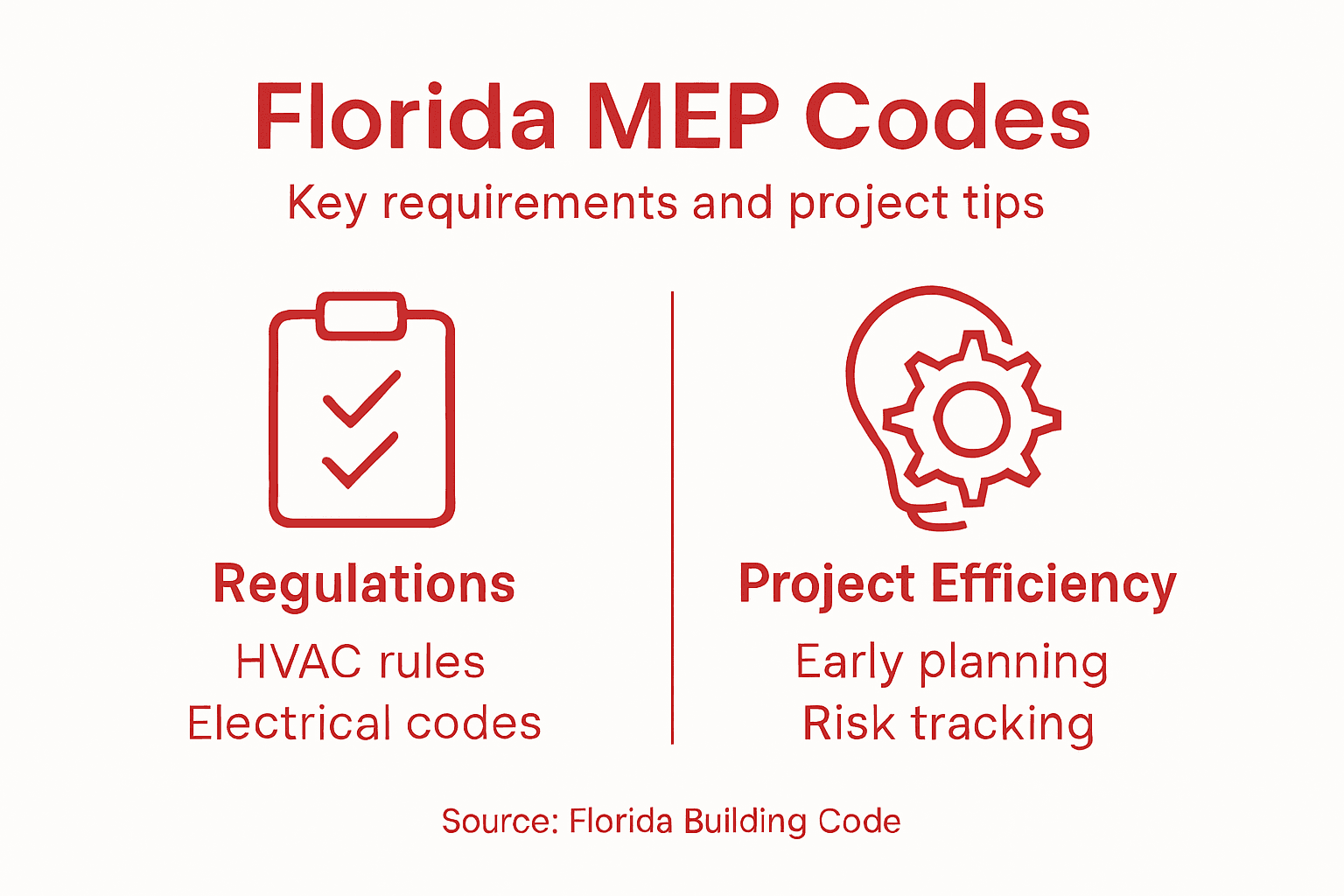
Each MEP engineering submission requires careful attention to technical details, with documentation that demonstrates not just compliance, but a deep understanding of how proposed systems interact with local environmental and infrastructural constraints. Failure to meet these stringent standards can result in project delays, financial penalties, and potential legal complications.
Pro tip: Consult with local regulatory experts and maintain meticulous documentation to streamline your MEP engineering permit approval process.
Risks, Liabilities, and Common Cost Mistakes
MEP engineering projects in Florida involve intricate risk management challenges that can significantly impact project success, financial outcomes, and legal compliance. Complex project coordination risks demand proactive strategic planning and comprehensive risk mitigation approaches.
Primary Risk Categories in MEP Engineering:
- Design coordination failures
- Communication breakdowns
- Regulatory compliance gaps
- Technical system integration challenges
- Budgetary miscalculations
- Unexpected environmental constraints
Common Financial Risk Factors:
- Inaccurate initial cost estimations
- Material price fluctuations
- Unexpected labor complexity
- Scope creep and change orders
- Supply chain disruptions
Effective risk management in MEP engineering requires anticipating potential challenges before they become critical project impediments.
Financial risks often emerge from seemingly minor planning oversights that can cascade into substantial project complications. Advanced cost control strategies become crucial in managing potential budget overruns and maintaining project financial integrity.
Engineers must develop comprehensive risk assessment frameworks that account for Florida’s unique environmental and regulatory landscape. This includes anticipating potential system performance issues, understanding localized building code nuances, and creating flexible design approaches that can adapt to unexpected challenges.
Pro tip: Implement detailed risk tracking systems and maintain contingency budgets of 10-15% to effectively manage unforeseen MEP project complications.
Elevate Your Florida MEP Projects with Expert Engineering Support
Navigating the complexities of MEP engineering in Florida requires precise coordination, regulatory compliance, and advanced system integration to tackle challenges like high humidity, energy efficiency, and stringent local codes. If you want to avoid costly design conflicts and ensure your project meets all state requirements from plumbing to electrical and mechanical systems our team at Florida Licensed Engineers is here to help. We offer comprehensive engineering services tailored for residential and commercial projects including inspections, permitting expediter services, and detailed blueprints that align perfectly with the specialized needs discussed in this article.

Discover how partnering with trusted professionals from our Engineering and Inspection Archives – Florida Licensed Engineers can transform your project efficiency and save time and money. Act now to integrate expert MEP planning into your early project stages and gain confidence in handling Florida’s unique infrastructure demands. Visit Florida Licensed Engineers to request a consultation and take the first step towards a seamless, compliant, and high-performance project outcome.
Frequently Asked Questions
What is MEP engineering?
MEP engineering, or Mechanical, Electrical, and Plumbing engineering, is the interdisciplinary design and integration of essential building systems that ensure functionality, efficiency, and sustainability.
How does MEP engineering contribute to project efficiency?
MEP engineering streamlines construction processes by reducing design conflicts, enhancing building performance, and ensuring compliance with regulations, all of which minimize errors and lower project costs.
What are the common myths about MEP engineering?
Common myths include the belief that MEP engineering is solely about equipment installation, that all MEP systems are the same across different buildings, and that energy efficiency is an optional consideration in planning.
What are the key compliance requirements for MEP projects?
Key compliance requirements include detailed engineering calculations, precise material specifications, code conformity documentation, and the verification of professional engineering seals to ensure adherence to local and state regulations.
Recommended
- Energy Efficiency in Engineering: Florida Project Impact – Florida Licensed Engineers
- How to Design MEP Plans for Permitting Success – Florida Licensed Engineers
- Why Engineering in 2025 Matters for Florida Development – Florida Licensed Engineers
- Engineering Project Workflow: Florida Compliance and Success – FloridaLicensedEngineers.com

