
Structural inspection procedures guide for Florida owners
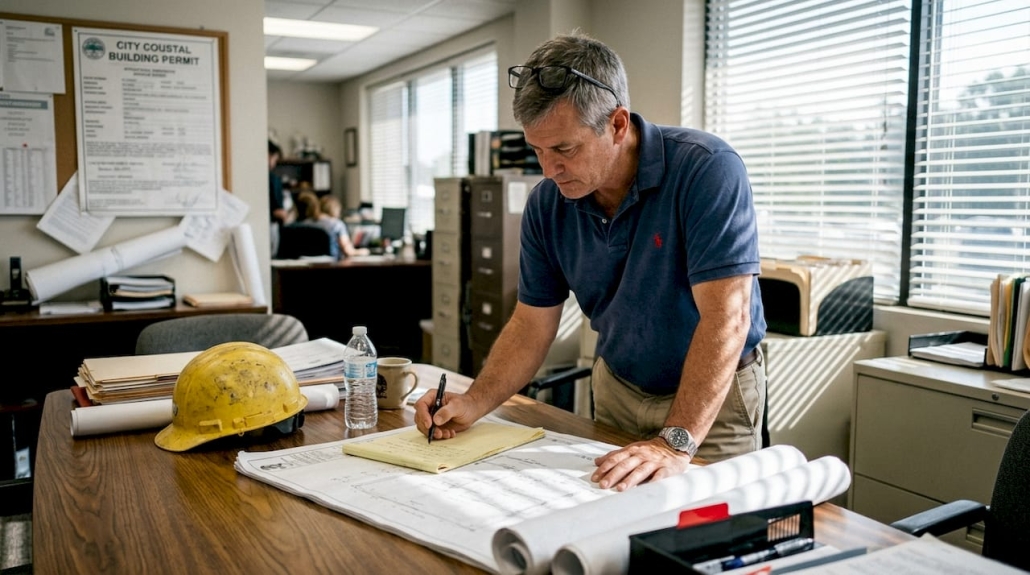
A recent study found that 14% of Florida buildings inspected had structural deterioration requiring immediate repairs. For property owners and developers, understanding structural inspection procedures is no longer optional; it’s a legal mandate and a critical safety measure. Whether you manage a coastal high-rise or a multi-story residential complex, knowing what to expect during inspections, how to prepare, and how to interpret results protects your investment and the people who occupy your buildings. This guide walks you through Florida’s inspection requirements, preparation steps, execution phases, and compliance strategies to help you navigate the process confidently.
Table of Contents
- Key takeaways
- Understanding Florida’s legal requirements for structural inspections
- Preparing for structural inspection: prerequisites and expert roles
- Executing structural inspections: phases, techniques, and site challenges
- Interpreting inspection results and ensuring compliance
- Professional inspection and engineering services for Florida properties
- Frequently asked questions
Key Takeaways
| Point | Details |
|---|---|
| Milestone inspection schedule | Florida requires milestone inspections for condominium and cooperative buildings three stories and taller at 30 years after occupancy and again every ten years, with earlier deadlines near coastal areas. |
| Inspection phases | Inspections begin with a visual examination and may require invasive testing if deficiencies are found. |
| Licensed professionals | A licensed professional engineer or architect conducts the inspection and prepares a report with findings and recommendations. |
| Compliance consequences | Noncompliance can lead to legal liability, insurance denial, evacuation orders, and financial risk for owners. |
Understanding Florida’s legal requirements for structural inspections
Florida law establishes clear timelines and responsibilities for structural inspections to ensure building safety. Milestone inspections for condominium and cooperative buildings 3+ stories high are required at 30 years from certificate of occupancy and every 10 years thereafter. Local authorities can impose stricter requirements, particularly in coastal municipalities where environmental factors accelerate structural wear. Properties within three miles of the coast often face earlier inspection deadlines, sometimes at 25 years instead of 30.
The statute primarily targets condominium and cooperative buildings three stories or taller, recognizing the higher risk profile these structures present. Single-family homes and smaller buildings typically fall outside these mandatory requirements unless local ordinances specify otherwise. Property owners must understand that responsibility for arranging and funding these inspections rests entirely with them, not with municipal authorities or homeowner associations.
Noncompliance carries serious consequences beyond simple fines. Property owners face personal liability if structural failures occur after missed inspection deadlines. Insurance companies may deny coverage for properties lacking current inspection certificates, leaving owners financially exposed. In extreme cases, local building departments can issue evacuation orders for buildings that fail to comply with inspection requirements, creating immediate financial and legal crises.
Key legal requirements include:
- Hiring a licensed professional engineer or architect to conduct inspections
- Submitting completed inspection reports to local building departments within specified timeframes
- Posting inspection results in common areas for resident review
- Addressing identified structural deficiencies according to recommended timelines
- Maintaining detailed records of all inspections and subsequent repairs
Understanding these regulations allows property owners to budget appropriately and schedule inspections well before deadlines. Early planning prevents rushed decisions and ensures you have time to address any issues discovered during the comprehensive inspection procedures Florida requires. The financial impact of delayed inspections often exceeds the cost of timely compliance, making proactive scheduling a sound business decision.
Preparing for structural inspection: prerequisites and expert roles
Successful structural inspections begin long before an engineer steps onto your property. Preparation determines whether your inspection proceeds smoothly or encounters costly delays. Licensed PE/architect required; owners arrange/pay; reports submitted with findings and recommendations. Selecting the right professional is your first critical decision. Look for engineers with specific experience in Florida building codes and familiarity with your property type, whether residential high-rise or commercial structure.
Gathering documentation streamlines the inspection process significantly. Collect original building plans, previous inspection reports, repair records, and any structural modification permits. Your certificate of occupancy establishes the baseline for calculating inspection deadlines. If previous owners completed repairs or upgrades, documentation of that work helps inspectors understand the building’s current condition versus its original design. Missing documentation forces inspectors to make conservative assumptions that may trigger unnecessary additional testing.
Understanding inspection scope and costs prevents budget surprises. Phase 1 visual inspections for a mid-size condominium building typically range from $5,000 to $15,000, depending on building complexity and accessibility. If Phase 2 invasive testing becomes necessary, costs can increase substantially based on the extent of testing required. Budget for potential follow-up work when planning your inspection timeline.
Pre-inspection preparation steps include:
- Ensuring inspector access to all structural areas including roofs, parking structures, and mechanical rooms
- Notifying residents about inspection activities and potential temporary access needs
- Arranging for any necessary equipment rentals like lifts or scaffolding
- Reviewing building history to identify known problem areas or previous repairs
- Establishing clear communication channels between ownership, management, and inspection team
Pro Tip: Schedule your milestone inspection 12 to 18 months before the legal deadline. This buffer allows time to address any discovered issues and complete required repairs without rushing, potentially saving 20 to 30% on emergency repair premiums.
Clear communication with your engineer prevents misunderstandings about deliverables and timelines. Discuss whether you need a basic compliance report or a more detailed assessment for capital planning purposes. Understanding the role of engineering inspections in your overall property management strategy helps you ask the right questions upfront. Engineers can often provide valuable insights about long-term maintenance priorities that extend well beyond immediate compliance requirements, making them partners in your property’s future rather than simply regulatory checkboxes.
Knowing what is structural engineering encompasses helps you evaluate whether additional specialists might benefit your inspection. Complex properties may require coordination between structural engineers, mechanical engineers, and building envelope specialists to provide comprehensive assessment.
Executing structural inspections: phases, techniques, and site challenges
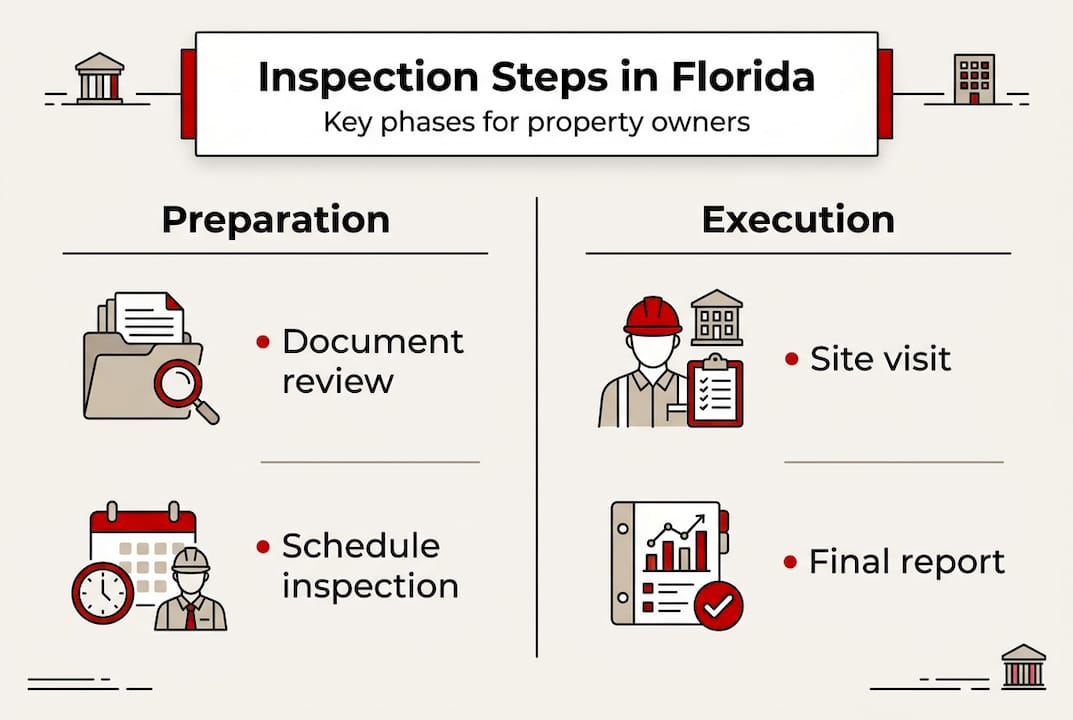
Structural inspections follow a systematic two-phase approach designed to identify issues efficiently while minimizing unnecessary invasive testing. Phase 1: visual exam of structural elements; Phase 2: invasive testing if deterioration detected. This staged approach controls costs while ensuring thorough evaluation of building safety.
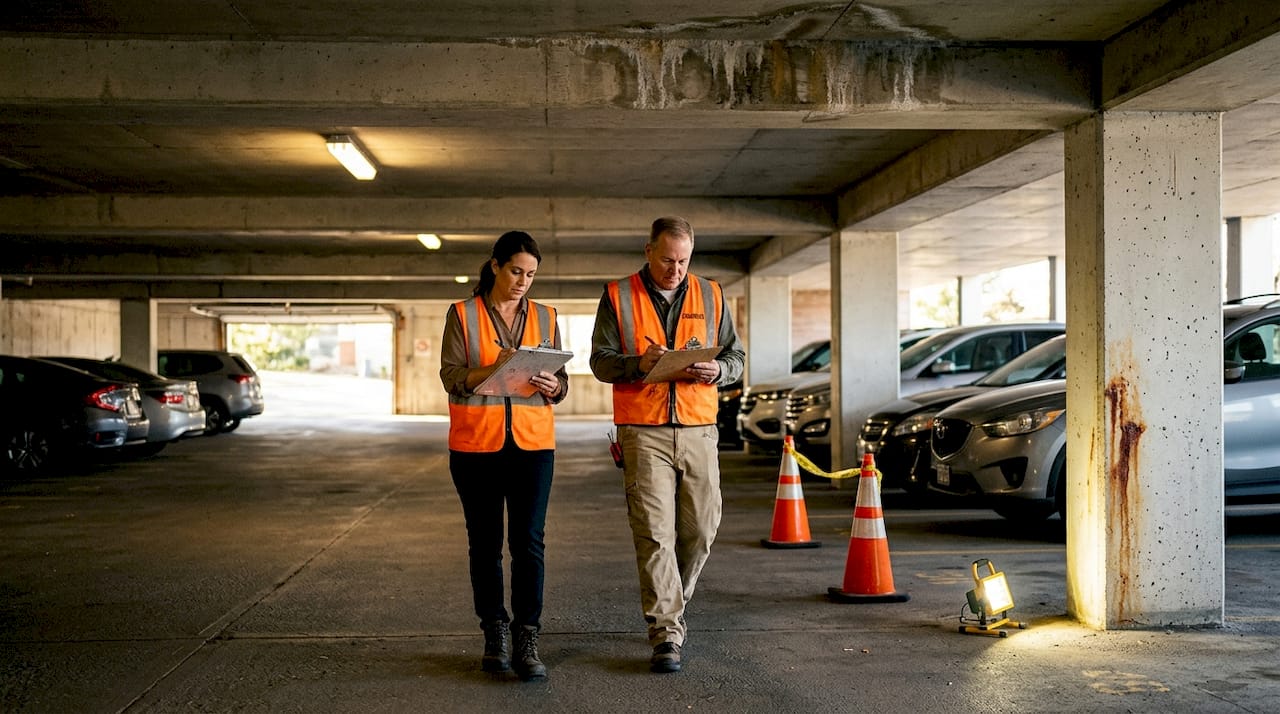
Phase 1 visual inspection involves comprehensive examination of all load-bearing components including foundations, columns, beams, floor slabs, and roof structures. Engineers look for visible signs of deterioration such as concrete spalling, exposed rebar, cracking patterns, water intrusion evidence, and settlement indicators. They assess structural connections, expansion joints, and support systems. This phase typically takes one to three days depending on building size and complexity.
If Phase 1 reveals potential structural concerns, Phase 2 invasive testing provides detailed analysis of hidden conditions. This phase employs both non-destructive and destructive testing methods:
- Non-destructive testing uses technologies like ground-penetrating radar, ultrasonic testing, and infrared thermography to evaluate internal conditions without damaging building components
- Destructive testing involves taking concrete core samples, exposing rebar for corrosion assessment, or removing finishes to examine underlying structural elements
- Laboratory analysis of samples determines concrete strength, rebar condition, and presence of harmful substances like chloride contamination
- Load testing may be performed on suspect structural members to verify their current capacity
Site-specific challenges significantly impact inspection complexity and findings. Coastal corrosion, underground garages, and post-storm inspections require special attention. Properties within three miles of saltwater face accelerated deterioration from salt spray and humid conditions. Chloride penetration into concrete accelerates rebar corrosion, often creating hidden damage beneath seemingly sound surfaces.
Underground parking structures present unique inspection challenges. Poor drainage, vehicle salt accumulation, and limited ventilation create corrosive environments. Engineers must access tight spaces and evaluate conditions in areas with restricted lighting. Waterproofing membrane failures in these areas often go unnoticed until significant structural damage occurs.
| Inspection Challenge | Standard Approach | Coastal/High-Risk Approach |
|---|---|---|
| Concrete assessment | Visual examination, selective testing | Extensive chloride testing, increased core sampling |
| Rebar evaluation | Exposure at visible spalling | Systematic exposure at grid points |
| Waterproofing | Visual leak evidence | Infrared scanning, flood testing |
| Timeline | 2-4 weeks typical | 4-8 weeks with additional testing |
Post-storm inspections require immediate attention to assess wind damage, water intrusion, and structural displacement. Following hurricanes, engineers prioritize evaluating roof attachments, window/door openings, and any visible structural movement. Even buildings that appear undamaged externally may have suffered connection failures or foundation settlement requiring professional assessment.
Pro Tip: Request that your engineer photograph all findings and include images in the final report. Visual documentation proves invaluable when discussing repairs with contractors, planning capital improvements, or addressing insurance claims.
Differentiating cosmetic issues from structural defects requires engineering judgment and experience. Hairline cracks in concrete slabs may indicate normal shrinkage or serious structural movement depending on their pattern, width, and location. The structural inspection guide emphasizes that proper evaluation prevents both unnecessary repairs and dangerous oversights. Engineers use established criteria to classify findings by severity, helping owners prioritize response appropriately.
Interpreting inspection results and ensuring compliance
Inspection reports transform technical findings into actionable information for property owners and developers. These documents typically include an executive summary, detailed findings by building system, photographic evidence, and prioritized recommendations. Understanding how to read and act on these reports is crucial for compliance and safety.
Reports categorize findings by urgency level. Immediate safety hazards require action within days or weeks and may include severely deteriorated structural members, dangerous spalling over occupied areas, or compromised fire safety systems. Moderate priority items need attention within months to prevent progression to critical status. Long-term maintenance recommendations identify issues to monitor or address during planned renovation cycles.
ASCE study: ~25% buildings needed repairs, 14% had structural deterioration; repairs improve safety over time. This data underscores that inspection findings are common and addressing them systematically enhances building safety and longevity. Properties that complete recommended repairs demonstrate measurably improved structural performance in subsequent inspections.
Prioritizing repairs requires balancing safety, budget, and practical scheduling:
- Address life safety issues immediately regardless of cost, as delay creates legal liability and endangers occupants
- Schedule structural repairs during seasons with favorable weather to ensure proper curing and installation conditions
- Coordinate multiple repair items to reduce mobilization costs and minimize disruption to residents
- Obtain multiple qualified contractor bids for significant repair projects
- Ensure repair contractors provide warranties and use materials meeting or exceeding original specifications
Compliance extends beyond simply receiving an inspection report. Florida law requires submitting reports to local building departments within specified timeframes, typically 180 days from the inspection deadline. Building departments review submissions for completeness and may request additional information or clarification. Properties with significant structural deficiencies may face ongoing monitoring requirements until repairs are completed and verified.
As one structural engineer noted:
The inspection report is not the end of the process but the beginning of informed property stewardship. Owners who treat reports as roadmaps for systematic improvement see their buildings appreciate in value while those who ignore findings face compounding problems and declining property values.
Documentation practices protect owners legally and financially. Maintain organized files containing original inspection reports, repair contracts, material certifications, contractor licenses, and completion photographs. These records prove invaluable during property sales, insurance renewals, or litigation. They also provide future inspectors with baseline information about building history and previous interventions.
Insurance implications of inspection findings deserve careful attention. Some carriers require proof of addressing identified deficiencies as a condition of policy renewal. Failure to complete recommended repairs may void coverage for related claims. Conversely, properties with current inspection certificates and documented repair histories often qualify for favorable insurance rates, offsetting inspection and repair costs over time.
The compliance procedures Florida mandates create a framework for ongoing building safety. Viewing inspections as cyclical rather than one-time events shifts property management toward proactive maintenance. This approach reduces emergency repairs, extends building lifespan, and maintains property values in competitive real estate markets.
Professional inspection and engineering services for Florida properties
Navigating Florida’s structural inspection requirements demands expertise in both engineering principles and regulatory compliance. Working with qualified professionals ensures your inspections meet legal standards while providing actionable insights for property improvement. Licensed engineers bring specialized knowledge of Florida building codes, environmental challenges, and construction practices that directly impact inspection quality and usefulness.

Our engineering services support property owners through every inspection phase, from initial planning through repair verification. We provide comprehensive structural assessments that satisfy milestone inspection requirements while identifying opportunities for building enhancement. Understanding the distinctions in architectural vs structural plans guide helps you communicate effectively about your property’s needs and ensures inspections address the right building systems.
Beyond compliance-driven inspections, our team offers forensic investigation services when structural concerns arise between milestone inspections. We prepare detailed reports suitable for insurance claims, litigation support, or pre-purchase due diligence. Our civil engineering capabilities extend to addressing drainage issues, site grading problems, and flood mitigation strategies that often emerge during structural assessments. Learning about structural engineering importance in building safety helps property owners appreciate the value professional engineering brings to their investments.
Whether you need milestone inspection services, repair design, or ongoing structural consultation, our engineering services overview guide details how we support residential and commercial property owners throughout Florida. Contact us to discuss your specific inspection needs and timeline.
Frequently asked questions
What are the main inspection phases in Florida structural procedures?
Florida structural inspections follow a two-phase approach. Phase 1 involves comprehensive visual examination of all load-bearing components including foundations, columns, beams, and roof structures. If Phase 1 identifies signs of deterioration such as spalling, cracking, or corrosion, Phase 2 invasive testing uses destructive and non-destructive methods to assess hidden conditions and determine repair needs.
How often must milestone inspections be completed for Florida condominiums?
Milestone inspections are required at 30 years after the certificate of occupancy is issued, then every 10 years thereafter for buildings three stories or taller. Coastal properties within three miles of saltwater often face earlier deadlines, with some municipalities requiring initial inspections at 25 years due to accelerated environmental deterioration. Local ordinances may impose stricter timelines than state law.
What are the consequences of failing to comply with structural inspection laws in Florida?
Noncompliance creates serious legal and financial risks including municipal fines, personal liability for property owners if structural failures occur, and insurance policy cancellation or denial of coverage. Building departments can issue evacuation orders for properties that fail to meet inspection requirements, creating immediate financial crisis and potential lawsuits from displaced residents. Timely compliance protects both occupants and property value.
Who is qualified to perform structural inspections in Florida?
Only licensed professional engineers or architects can conduct milestone structural inspections in Florida. The inspector must hold an active Florida license and have expertise in structural assessment and building codes. Property owners are responsible for hiring and paying qualified professionals, and the selected engineer must be independent without conflicts of interest related to the property.
What should property owners do if inspection reports identify structural deficiencies?
Prioritize addressing findings based on safety urgency, with immediate hazards requiring action within days or weeks. Obtain multiple bids from qualified contractors experienced in structural repairs, and ensure all work is performed under engineering supervision. Submit required documentation to local building departments within specified timeframes, and maintain detailed records of all repairs including contracts, material certifications, and completion photographs for future reference and insurance purposes.


