
Key advantages of civil engineering for Florida projects
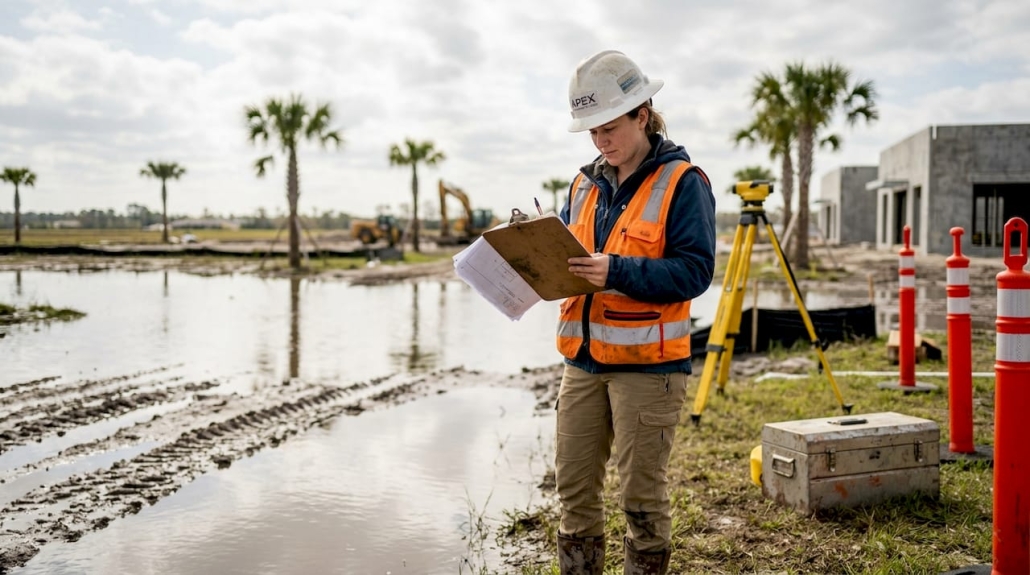
Planning a construction project in Florida means navigating complex building codes, managing flood risks, and securing timely permits. Many homeowners and business owners struggle to identify which civil engineering services deliver the most value for their investment. Understanding the key advantages of comprehensive civil engineering support, from drainage expertise to permitting facilitation and thorough site evaluations, helps you make informed decisions that protect your property and streamline your project timeline. This guide breaks down the essential benefits you need to evaluate when selecting engineering partners for your Florida construction or renovation.
Table of Contents
- Key takeaways
- How civil engineering services ensure code compliance and permitting success
- Site evaluations and drainage design: protecting your property investment
- Streamlined construction workflows: saving time and money with civil engineering
- Comparing comprehensive civil engineering services: choosing the right partner
- Explore Florida’s top civil engineering solutions
- Frequently asked questions
Key Takeaways
| Point | Details |
|---|---|
| Code compliance guidance | Civil engineers translate Florida building code requirements into actionable plans and prepare documentation to speed permit approvals. |
| Site evaluations and drainage | Comprehensive site assessments including soil testing, bearing capacity analysis, and drainage design identify issues early and prevent costly mid construction changes. |
| Pre application meeting | A 30 minute pre application meeting with the engineer and local department often reveals jurisdiction specific requirements and saves weeks of revision. |
| Avoid common permitting pitfalls | Engineering expertise helps prevent pitfalls such as incomplete drainage calculations missing elevation certificates and conflicting information between plans. |
How civil engineering services ensure code compliance and permitting success
Florida’s building codes present unique challenges due to hurricane requirements, flood zone regulations, and local municipality variations. Civil engineers specialize in translating these complex requirements into actionable plans that meet every regulatory standard. They prepare detailed documentation including site plans, drainage calculations, and structural specifications that satisfy building departments on the first submission.
When you work with experienced civil engineers, they identify potential code conflicts early in the design phase. This proactive approach prevents expensive redesigns after construction begins. Engineers maintain current knowledge of Florida Building Code updates, ASCE standards, and local amendments that affect your project. Their role in building codes compliance extends beyond paperwork to ensuring your structure performs safely under Florida’s demanding weather conditions.
The permitting process becomes significantly faster with proper engineering support. Engineers communicate directly with plan reviewers, address comments efficiently, and resubmit corrected documents within days rather than weeks. They understand what each jurisdiction prioritizes during plan review, allowing them to emphasize critical elements and provide supplementary calculations that expedite approvals.
Common permitting pitfalls that engineering expertise prevents include:
- Incomplete drainage calculations that trigger automatic rejections
- Missing elevation certificates for properties in flood zones
- Inadequate structural details for wind load requirements
- Conflicting information between architectural and site plans
- Outdated survey data that doesn’t reflect current property conditions
Pro Tip: Request a pre-application meeting with your civil engineer and local building department before submitting plans. This 30-minute conversation often identifies jurisdiction-specific requirements that aren’t published in standard code books, saving weeks of revision cycles.
Site evaluations and drainage design: protecting your property investment
Comprehensive site evaluations form the foundation of successful Florida construction projects. Civil engineers conduct soil testing to determine bearing capacity, identify problematic soil types like expansive clay, and recommend appropriate foundation systems. These assessments reveal hidden conditions that could compromise your structure or require costly mid-construction adjustments.
Drainage design deserves particular attention in Florida’s high-rainfall environment. Engineers analyze watershed patterns, calculate runoff volumes, and design systems that move water away from your building efficiently. Proper drainage prevents foundation settlement, eliminates standing water that breeds mosquitoes, and protects landscaping investments. Professional civil engineering reduces flood risk through strategic grading and stormwater management.
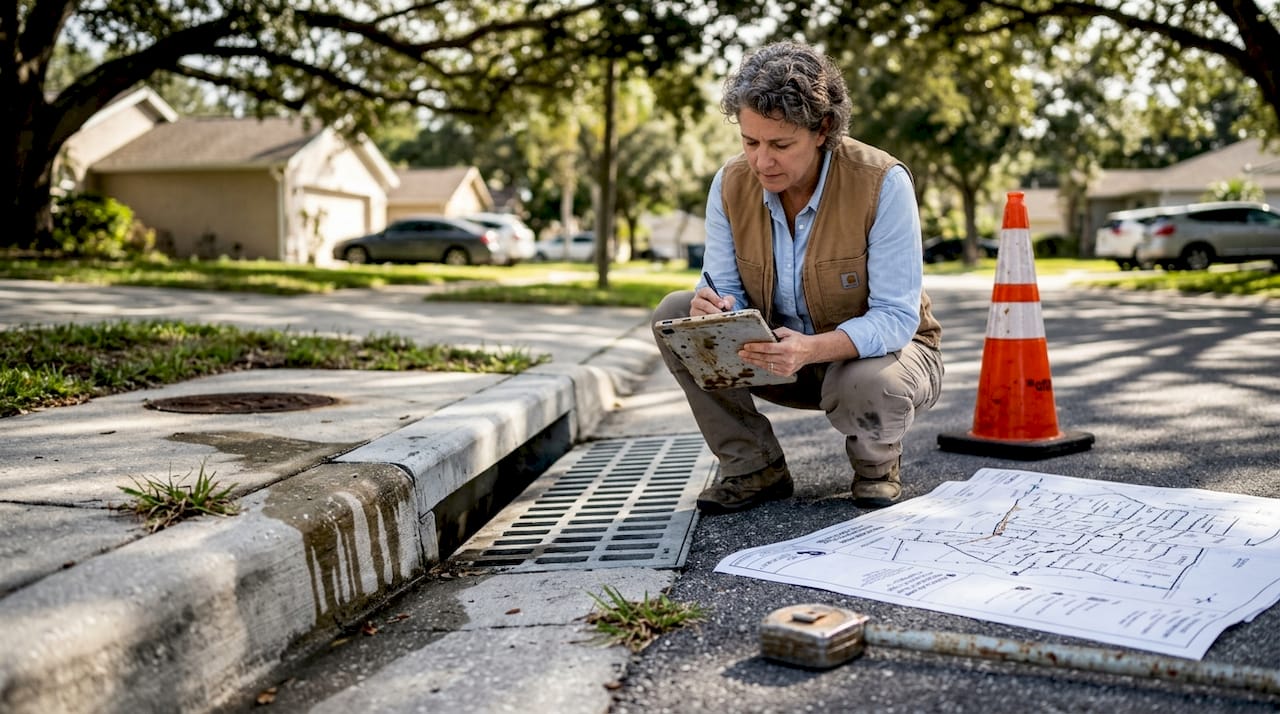
Your site evaluation should include topographic surveys, wetland delineation if applicable, and utility location verification. Engineers coordinate with environmental consultants when projects affect protected areas or require special permits. They also assess existing drainage infrastructure to determine if improvements are necessary to handle additional runoff from new impervious surfaces.
Expert site work minimizes future maintenance headaches and repair costs. Well-designed drainage systems require minimal upkeep compared to hastily planned alternatives that clog or erode. Proper grading established during construction prevents water intrusion issues that plague poorly planned projects for decades.
When choosing a civil engineer for site evaluations, consider these factors:
- Local experience with your specific soil types and water table conditions
- Familiarity with your municipality’s drainage requirements
- Access to modern surveying equipment including GPS and laser scanning
- Relationships with qualified geotechnical consultants
- Portfolio of similar projects in your area
Pro Tip: Schedule your site evaluation during Florida’s rainy season if possible. Observing how water naturally flows across your property during heavy rainfall provides invaluable data that dry-season surveys miss, allowing engineers to design more effective drainage solutions.
Streamlined construction workflows: saving time and money with civil engineering
Civil engineering services optimize every phase of construction through systematic planning and coordination. The typical civil engineering workflow in Florida projects follows these stages:
- Initial site assessment and feasibility analysis
- Conceptual design development with architect coordination
- Detailed engineering plans and permit document preparation
- Permit submission and plan review response management
- Construction administration and site observation
- Final inspections and certificate of occupancy support
Coordination between civil engineers, architects, and builders prevents the costly rework that plagues poorly managed projects. Engineers provide grading plans that align with architectural floor elevations, ensuring proper drainage without compromising building access. They specify utility connections that contractors can install efficiently without conflicts with structural elements.
Modern technology enhances civil engineering efficiency significantly. Many firms now employ AI construction management applications for project monitoring, automated code checking, and predictive scheduling. These tools identify potential delays before they impact your timeline and suggest alternative approaches that maintain budget targets.
| Project Phase | Without Civil Engineering | With Civil Engineering |
|---|---|---|
| Permit approval time | 12-16 weeks average | 6-8 weeks average |
| Plan revision cycles | 3-4 resubmissions typical | 1-2 resubmissions typical |
| Construction delays | 15-20% schedule overrun | 5-8% schedule overrun |
| Cost overruns | 18-25% over budget | 8-12% over budget |
The financial impact of streamlined workflows extends beyond direct cost savings. Faster permit approvals mean earlier construction starts, reducing carrying costs for land and interim financing. Fewer construction delays translate to earlier occupancy and revenue generation for commercial projects or move-in dates for residential builds.
Pro Tip: Engage your civil engineer during the property selection phase, not after purchase. A quick feasibility assessment costs a few hundred dollars but can reveal deal-breaking issues like inadequate access, prohibitive wetland mitigation requirements, or utility extension costs that exceed your budget.
Comparing comprehensive civil engineering services: choosing the right partner
Florida construction projects benefit from various civil engineering specialties, each addressing specific technical challenges. Understanding service distinctions helps you select the right expertise for your needs. Site evaluation services focus on existing conditions analysis, while permitting support emphasizes regulatory compliance and documentation. Drainage engineering addresses water management, and construction inspection ensures built conditions match approved plans.
| Service Type | Primary Focus | Typical Timeline | Best For |
|---|---|---|---|
| Site evaluation | Soil analysis, topography, utilities | 2-3 weeks | Pre-purchase due diligence, feasibility studies |
| Permitting support | Code compliance, plan preparation | 4-8 weeks | New construction, major renovations |
| Drainage design | Stormwater management, grading | 3-4 weeks | Properties with flooding history, large sites |
| Construction inspection | Quality control, code verification | Throughout build | Complex projects, lender requirements |
When interviewing potential civil engineering firms, ask these critical questions:
- How many projects have you completed in my specific municipality?
- What is your typical permit approval timeline for projects like mine?
- Do you provide construction administration services or only design?
- How do you handle plan review comments and resubmissions?
- What technology tools do you use for project coordination?
- Can you provide references from recent clients with similar scope?
Budget considerations should balance upfront engineering costs against long-term value. Quality civil engineering typically represents 3% to 5% of total project costs but prevents issues that could add 15% to 25% in change orders and delays. The best civil engineering tools and experienced professionals cost more initially but deliver superior outcomes.
Value factors extend beyond hourly rates. Firms with strong municipal relationships often achieve faster approvals through established credibility with plan reviewers. Local expertise means familiarity with area-specific challenges like high water tables, problematic soil conditions, or strict tree preservation ordinances. Comprehensive service offerings from a single firm simplify coordination compared to managing multiple specialty consultants.
Explore Florida’s top civil engineering solutions
Navigating Florida’s construction landscape requires expertise you can trust. Florida Licensed Engineers delivers comprehensive civil engineering services tailored to residential and commercial projects throughout the state. Our team specializes in drainage design, permitting facilitation, and thorough site evaluations that protect your investment and accelerate project timelines.

Whether you’re planning new construction or major renovations, our engineering services cover every aspect from initial feasibility studies through final inspections. We’ve helped hundreds of Florida property owners achieve flood risk reduction through expert drainage solutions and secure faster permit approvals with compliant, detailed documentation. Contact us today to discuss how our Florida engineering services can support your project’s success.
Frequently asked questions
What types of projects benefit most from civil engineering services?
Every Florida construction project gains value from civil engineering expertise, but the impact varies by scope and complexity. Residential renovations involving additions, pool installations, or significant grading changes require site plans and drainage calculations that engineers provide efficiently. New home construction benefits from comprehensive services including surveying, permitting support, and construction oversight that ensure code compliance.
Commercial developments demand extensive civil engineering for site layout, parking design, stormwater management, and utility coordination. These projects involve multiple regulatory agencies and complex technical requirements that only experienced engineers navigate successfully. Even small projects in flood zones or areas with strict environmental regulations benefit from professional engineering to avoid permit denials and costly mistakes.
How do civil engineers contribute to flood risk reduction in Florida?
Civil engineers employ multiple strategies to minimize flood damage on Florida properties. They analyze historical rainfall data, calculate expected runoff volumes, and design drainage systems sized appropriately for severe weather events. Site grading plans direct water away from structures toward designed collection points, preventing pooling near foundations. Engineers also specify appropriate elevation for finished floors based on flood zone requirements and local conditions.
Professional flood risk reduction through civil engineering incorporates retention areas, properly sized pipes and inlets, and erosion control measures. For properties in special flood hazard areas, engineers prepare elevation certificates and design flood-resistant construction details. This comprehensive approach addresses both regulatory compliance and practical water management, protecting your property investment long term.
What should I look for when hiring a civil engineering firm in Florida?
Verify that your engineering firm holds current Florida professional engineering licenses and maintains appropriate insurance coverage. Check their experience with projects similar to yours in your specific region, as local knowledge significantly impacts efficiency. Request references from recent clients and follow up to ask about communication quality, timeline adherence, and problem-solving abilities.
Assess how the firm approaches project planning and client communication. Strong engineering partners explain technical concepts clearly, provide realistic timelines, and proactively identify potential challenges. Review their portfolio for diversity of project types and complexity levels matching your needs. Firms offering comprehensive services from feasibility studies through construction administration provide better coordination than those handling only isolated tasks.
Can civil engineering services help speed up the permitting process?
Yes, experienced civil engineers dramatically accelerate permit approvals through multiple mechanisms. They prepare complete, accurate documentation that passes initial plan review without basic deficiencies that trigger automatic rejections. Engineers familiar with specific jurisdictions know exactly what details reviewers prioritize and include those elements prominently in submissions.
When plan reviewers issue comments, engineers respond quickly with precise corrections and supplementary calculations that address concerns thoroughly. Their role in building codes compliance includes direct communication with building departments to clarify requirements and negotiate acceptable solutions. This professional relationship and technical competence typically reduces permitting timelines by 40% to 50% compared to submissions without proper engineering support.


