
Complete Guide to the Role of Inspections in Construction
More than seventy percent of american construction projects face costly delays or compliance issues due to missed inspections. In a field where quality and safety cannot be left to chance, systematic evaluations play a powerful role in protecting investors, property owners, and public welfare. By understanding what construction inspections involve and why they are vital, you can better navigate the complex standards that shape every successful american building project.
Table of Contents
- Defining Construction Inspections And Their Importance
- Types Of Inspections In Construction Projects
- Key Inspection Processes And Compliance Standards
- Legal Requirements And Regulatory Framework
- Risks, Liabilities, And Common Mistakes To Avoid
Key Takeaways
| Point | Details |
|---|---|
| Construction inspections are essential | They ensure compliance with safety standards and prevent costly structural issues. |
| Types of inspections vary | Key inspections include footing, foundation, framing, and final building assessments, each focusing on specific aspects of construction integrity. |
| Compliance is a dynamic process | Adhering to evolving local, state, and federal regulations is crucial to obtaining a certificate of occupancy and ensuring legal safety. |
| Avoid common mistakes | Inadequate documentation and neglecting inspection schedules can lead to significant liabilities and project delays. |
Defining Construction Inspections and Their Importance
Construction inspections represent systematic evaluations designed to assess building projects at critical stages of development. According to jagre.com, these inspections are essential for maintaining project quality, ensuring regulatory compliance, and preventing potential structural issues before they escalate.
At their core, construction inspections serve multiple critical functions. They verify that building processes adhere to approved design specifications, safety standards, and local building codes. ipl.org emphasizes that these evaluations help identify potential problems early, which can prevent costly rework and guarantee structural integrity throughout the construction process.
The importance of construction inspections cannot be overstated. They act as comprehensive quality control checkpoints that protect multiple stakeholders:
- Protect Investors: Ensure financial resources are being used effectively
- Safeguard Property Owners: Confirm construction meets expected standards
- Protect Public Safety: Validate structural soundness and regulatory compliance
- Support Contractors: Provide professional validation of work completed
These systematic reviews ultimately save time, reduce financial risks, and maintain the highest standards of construction quality and safety.
Types of Inspections in Construction Projects
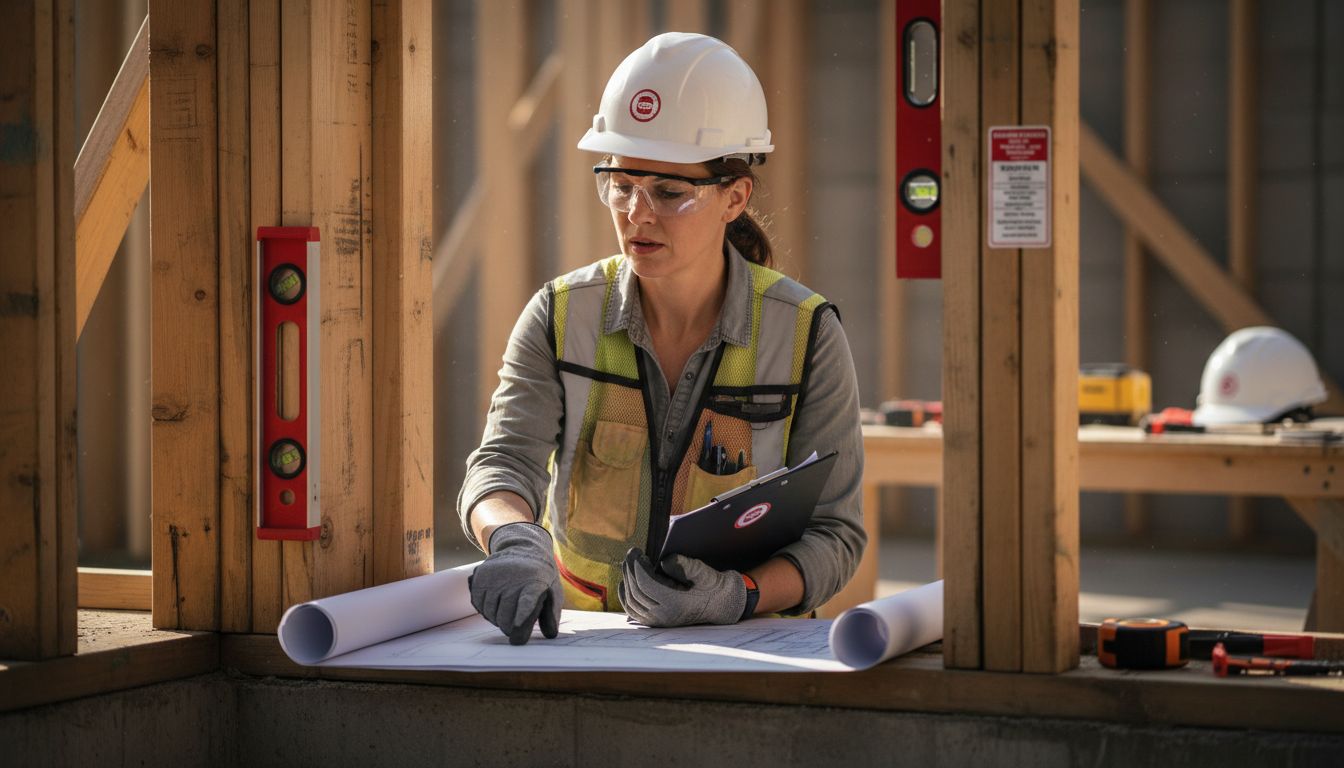
Construction inspections encompass a comprehensive range of specialized evaluations designed to ensure quality, safety, and regulatory compliance across different project stages. Cityofkingsville.com outlines several critical inspection types that cover every aspect of building development, from foundational work to final completion.
The primary types of construction inspections include:
- Footing Inspections: Verify ground preparation and concrete placement
- Foundation Inspections: Check structural base integrity and alignment
- Framing Inspections: Assess structural framework and support systems
- Masonry Inspections: Evaluate brick, stone, and concrete block construction
- Mechanical Inspections: Review heating, ventilation, and air conditioning systems
- Electrical Inspections: Validate wiring, panel, and electrical infrastructure
- Plumbing Inspections: Examine pipe installation and water system configurations
- Final Building Inspections: Comprehensive review of all building systems
Beyond standard structural assessments, specialized inspections address unique environmental challenges. En.wikipedia.org highlights windstorm inspections as a critical evaluation that assesses a building’s resilience against extreme weather conditions, focusing on roof design, construction materials, and structural reinforcements to protect against hurricanes and high-wind events.
These detailed inspections serve as crucial quality control measures, ensuring that construction projects meet rigorous safety standards, comply with local building codes, and provide long-term structural reliability for property owners and occupants.
For more detailed insights into engineering inspections, check out our comprehensive guide on 7 essential types of engineering inspections.
Key Inspection Processes and Compliance Standards
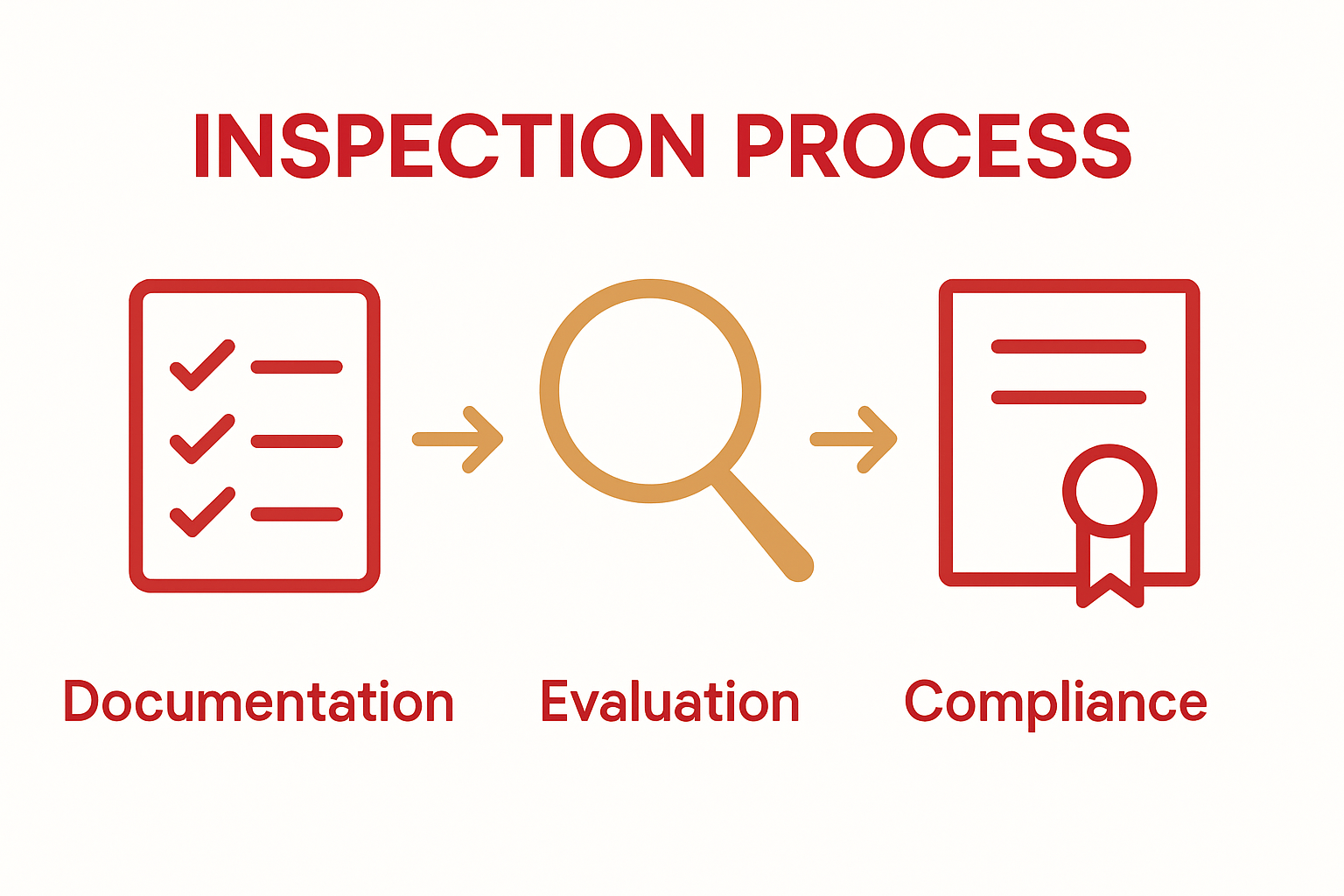
Construction compliance represents a complex framework of systematic evaluations that ensure buildings meet rigorous safety, structural, and regulatory requirements. En.wikipedia.org explains that the ultimate goal of these processes is achieving a certificate of occupancy, which validates that a building has passed comprehensive inspections covering structural integrity, fire safety, and adherence to approved construction plans.
The inspection processes typically involve multiple critical stages:
- Pre-Construction Review: Examining initial design plans and specifications
- Foundation Inspection: Verifying ground preparation and concrete work
- Structural Framing Inspection: Assessing framework and support systems
- Mechanical Systems Inspection: Evaluating electrical, plumbing, and HVAC installations
- Final Comprehensive Inspection: Conducting a complete project assessment
En.wikipedia.org highlights emerging trends in compliance standards, particularly the National Green Building Standard, which introduces additional layers of inspection focused on sustainability practices, energy efficiency, and environmental impact. These modern standards go beyond traditional safety requirements to ensure construction projects meet progressive ecological and performance benchmarks.
Compliance standards are not static but continuously evolve to address technological advancements and changing environmental requirements. Successful navigation of these complex processes requires detailed documentation, precise execution, and a comprehensive understanding of local, state, and national building regulations. For contractors and property owners, understanding the step-by-step approach to building inspections can significantly streamline the compliance journey and minimize potential regulatory challenges.
Legal Requirements and Regulatory Framework
Construction legal compliance represents a complex and dynamic landscape of regulations that govern building development across various jurisdictions. En.wikipedia.org emphasizes that obtaining a certificate of occupancy is a critical legal requirement, serving as official documentation that a building meets all applicable safety codes and is legally suitable for occupational use.
The regulatory framework for construction projects typically involves multiple levels of oversight:
- Local Municipal Regulations: City and county-specific building codes
- State-Level Building Standards: Comprehensive safety and construction guidelines
- Federal Construction Requirements: Nationwide building and accessibility standards
- Environmental Compliance Standards: Regulations protecting natural resources
- Zoning and Land Use Regulations: Governing property development permissions
En.wikipedia.org highlights emerging regulatory trends, particularly the National Green Building Standard, an ANSI-approved certification program that establishes legal benchmarks for sustainable construction. This standard demonstrates how regulatory frameworks are evolving to incorporate environmental considerations alongside traditional safety requirements.
Navigating these legal requirements demands comprehensive understanding and proactive compliance strategies. Contractors, architects, and property owners must stay informed about changing regulations, maintain meticulous documentation, and work closely with local authorities to ensure full legal compliance. For those seeking deeper insights into managing these complex regulatory landscapes, our comprehensive guide to commercial project inspections provides essential strategic guidance for successful project implementation.
Risks, Liabilities, and Common Mistakes to Avoid
Construction project risks represent a complex landscape of potential challenges that can derail project success, financial stability, and legal compliance. Jagre.com emphasizes that neglecting regular site inspections can lead to undetected issues, significant regulatory non-compliance, and substantial project delays, underscoring the critical importance of consistent and thorough evaluations.
Common mistakes that contractors and property owners must vigilantly avoid include:
- Inadequate Documentation: Failing to maintain comprehensive inspection records
- Overlooking Minor Defects: Ignoring seemingly small structural or systemic issues
- Inconsistent Inspection Schedules: Skipping or delaying critical evaluation stages
- Poor Communication: Miscommunicating inspection findings between stakeholders
- Insufficient Quality Control: Neglecting detailed verification processes
Liability risks in construction projects can be catastrophic, potentially exposing contractors, architects, and property owners to significant legal and financial consequences. These risks extend beyond immediate project concerns, potentially involving:
- Structural safety violations
- Environmental non-compliance
- Potential personal injury claims
- Substantial financial penalties
- Long-term property value depreciation
Proactive risk management requires a multifaceted approach that combines thorough documentation, consistent professional inspections, and a commitment to exceeding minimum regulatory standards. For professionals seeking comprehensive strategies to navigate these complex challenges, our step-by-step guide to building inspections provides essential insights into minimizing potential liabilities and ensuring project success.
Ensure Your Construction Project Stands Strong With Expert Inspections
Understanding the critical role of construction inspections helps you avoid costly delays, regulatory setbacks, and potential safety hazards. This comprehensive guide highlights vital inspection stages including footing, framing, mechanical, electrical, and final building inspections that guarantee your project meets legal and quality standards. If you want to prevent common pitfalls like insufficient documentation or overlooked defects, partnering with a trusted engineering service is essential.

Discover how our team at Texas Structural Inspectors can support your residential or commercial project by providing thorough inspections, precise blueprints, and permitting expediting services. Our expertise covers architectural, structural, mechanical, electrical, and plumbing plans along with civil engineering solutions from drainage to flood mitigation. Act now to protect your investment and streamline your compliance process by visiting https://floridalicensedengineers.com. Take control of your building success today.
Frequently Asked Questions
What are construction inspections?
Construction inspections are systematic evaluations conducted at critical stages of a building project to ensure quality, safety, and compliance with regulatory standards.
Why are construction inspections important?
Construction inspections help protect investors, property owners, and the public by verifying that construction meets approved standards, preventing potential structural issues and ensuring safety.
What types of inspections are involved in construction projects?
Key types of inspections in construction include footing inspections, foundation inspections, framing inspections, mechanical inspections, electrical inspections, plumbing inspections, masonry inspections, and final building inspections.
What are common risks associated with neglecting construction inspections?
Neglecting regular construction inspections can lead to undetected issues, regulatory non-compliance, substantial project delays, and significant financial and legal liabilities.
Recommended
- Complete Guide to the Role of Inspections in Building – FloridaLicensedEngineers.com
- Step-by-Step Guide to Building Inspections Success – FloridaLicensedEngineers.com
- Role of Engineering Inspections | Florida Licensed Engineers ✅
- Complete Guide to Building Inspection Services – FloridaLicensedEngineers.com
- HVAC Inspection Checklist: Ensure Efficient System Performance – HVAC Service and Repair | Louisville, KY | Project Heating & Cooling
