
Structural Plan Review – Ensuring Safe, Code-Compliant Buildings
Nearly 90 percent of American construction projects rely on strict structural plan reviews before a single brick is laid. Without this step, even small design flaws can turn into serious safety risks or costly delays. Understanding the basics of these reviews helps anyone involved in building decisions follow local rules, ensure safety, and protect their investments from expensive surprises down the road.
Table of Contents
- Structural Plan Review Defined And Demystified
- Types Of Structural Plans And Their Purposes
- Key Steps In The Structural Review Process
- Building Codes, Permits, And Regulatory Standards
- Common Errors And Compliance Risks To Avoid
Key Takeaways
| Point | Details |
|---|---|
| Importance of Structural Plan Reviews | Structural plan reviews are essential for ensuring compliance with safety standards and building codes before construction starts. They identify potential weaknesses in designs to prevent costly construction issues. |
| Types of Structural Plans | Foundation, framing, and wall section plans are critical documents that detail the safety and compliance aspects of a building’s design. Each serves a specific purpose in conveying structural integrity. |
| Key Steps in the Review Process | The structural review process involves thorough assessment stages, including initial document review, technical analysis, and compliance verification, to ensure all designs meet regulatory standards. |
| Common Errors to Avoid | Engineers must watch for critical errors like inaccurate load calculations and documentation inconsistencies that can lead to compliance risks and construction failures. |
Structural Plan Review Defined and Demystified
A structural plan review is a comprehensive professional assessment that ensures building designs meet safety standards, local building codes, and engineering requirements before construction begins. This critical process involves detailed examination of architectural blueprints, engineering calculations, and proposed structural systems to verify their integrity, stability, and compliance with regulatory guidelines.
Engineering professionals conduct these reviews by systematically analyzing structural design principles across multiple dimensions. They evaluate key aspects such as load-bearing capacities, material specifications, foundation designs, and potential environmental stress factors. The goal is to identify and resolve potential structural weaknesses or design inconsistencies before they become costly construction challenges.
The structural plan review process typically includes several fundamental stages:
- Preliminary design assessment
- Detailed engineering calculations verification
- Code compliance evaluation
- Risk mitigation analysis
- Recommendation of necessary modifications
By implementing rigorous structural plan reviews, property owners and developers can significantly reduce construction risks, prevent potential structural failures, and ensure buildings are safe, resilient, and aligned with professional engineering standards. These reviews serve as a critical quality control mechanism that protects investments and safeguards human lives.
Types of Structural Plans and Their Purposes
Structural plans are specialized architectural documents that detail the essential engineering components ensuring a building’s safety, stability, and compliance with local building codes. Architectural and structural plans serve distinct but complementary purposes in the construction process, with each type focusing on specific technical requirements and design elements.

The primary types of structural plans include foundation plans, which outline the base support system for a building, framing plans that illustrate the skeleton and load-bearing elements, and wall section plans that provide detailed cross-sectional views of structural configurations. These comprehensive documents help engineers and contractors understand precise construction specifications, material requirements, and structural integrity across different building components.
Key types of structural plans encompass:
-
Foundation Plans
- Specify concrete slab details
- Show pier and beam configurations
- Indicate soil reinforcement requirements
-
Framing Plans
- Detail roof truss designs
- Illustrate wall and floor structural elements
- Show load distribution mechanisms
-
Wall Section Plans
- Provide vertical construction details
- Display material transitions
- Highlight insulation and structural support systems
By developing these specialized plans, engineers and architects create a comprehensive blueprint that ensures structural integrity, safety compliance, and effective communication between all construction stakeholders. These meticulously crafted documents serve as the technical foundation for transforming architectural visions into physically sound, code-compliant structures.
Key Steps in the Structural Review Process
The structural review process is a systematic approach that engineers meticulously follow to ensure building designs meet safety, performance, and regulatory standards. This comprehensive evaluation involves multiple critical stages designed to identify potential structural vulnerabilities and validate engineering specifications before construction begins.
Engineering professionals initiate the review process by conducting a thorough examination of submitted architectural and structural documents. Initial design assessment involves carefully analyzing load-bearing calculations, material specifications, and potential environmental stress factors. During this stage, engineers scrutinize every technical detail to verify compliance with local building codes, structural design principles, and project-specific requirements.
Key steps in the structural review process include:
-
Preliminary Document Review
- Examine architectural and engineering blueprints
- Verify design calculations and load specifications
- Assess material compatibility and structural integrity
-
Detailed Technical Analysis
- Perform comprehensive structural calculations
- Evaluate potential stress points and structural weaknesses
- Validate load-bearing capacity and structural resilience
-
Code Compliance Verification
- Cross-reference design against local building regulations
- Ensure adherence to safety and structural performance standards
- Identify and recommend necessary design modifications
-
Risk Mitigation Assessment
- Analyze potential environmental and structural risks
- Develop contingency recommendations
- Propose structural reinforcement strategies
By implementing these systematic review steps, engineers provide a critical quality control mechanism that transforms architectural concepts into safe, resilient, and code-compliant structures. The rigorous process protects property investments and ultimately safeguards the lives of those who will occupy the building.
Building Codes, Permits, and Regulatory Standards
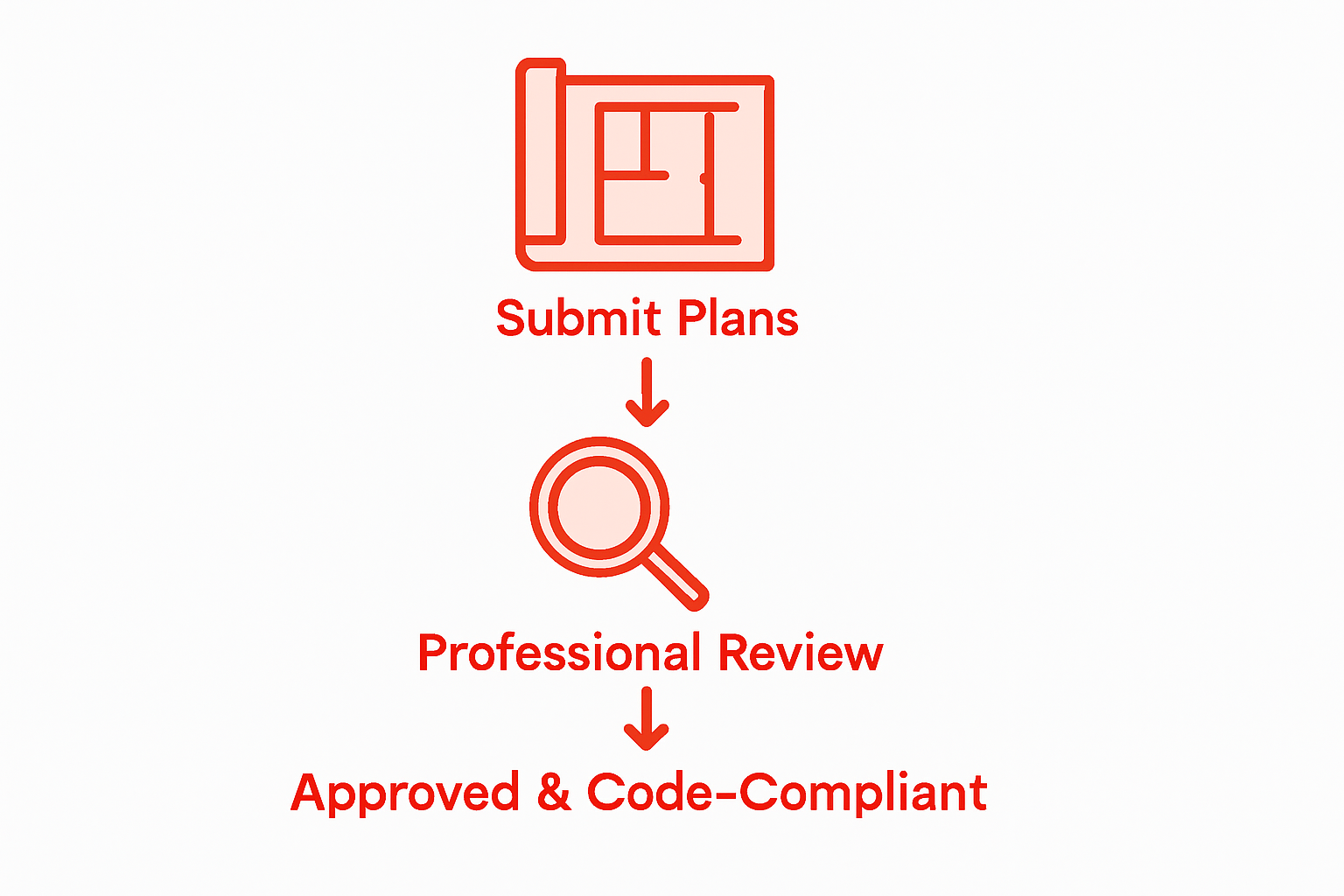
Building codes, permits, and regulatory standards form the critical framework that ensures structural safety, design integrity, and public welfare in construction projects. Residential engineering requirements establish comprehensive guidelines that architects, engineers, and contractors must follow to create structures that protect human life and property.
Regulatory compliance involves navigating a complex landscape of local, state, and national building regulations. Each jurisdiction maintains specific requirements addressing structural design, material specifications, environmental considerations, and safety protocols. Engineers must meticulously verify that every aspect of a structural plan meets or exceeds these established standards, which evolve continuously to incorporate new technologies, research findings, and safety insights.
Key components of building codes and regulatory standards include:
-
Structural Integrity Requirements
- Load-bearing capacity specifications
- Seismic design considerations
- Wind resistance standards
-
Material Specifications
- Approved construction materials
- Quality and performance standards
- Environmental durability requirements
-
Safety and Accessibility Protocols
- Fire safety regulations
- Emergency exit specifications
- Accessibility design standards
-
Permitting Process Requirements
- Detailed documentation submission
- Professional engineering certification
- Comprehensive plan review procedures
The permitting process serves as a critical checkpoint where engineering inspections validate that proposed designs meet all regulatory requirements. By enforcing these rigorous standards, building authorities ensure that construction projects prioritize public safety, structural reliability, and long-term performance across residential, commercial, and industrial developments.
Common Errors and Compliance Risks to Avoid
Structural plan reviews reveal numerous critical errors that can compromise building safety and regulatory compliance. Architectural drawing mistakes frequently emerge during comprehensive plan evaluations, presenting significant risks to construction integrity and project success.
Technical documentation errors represent a primary source of compliance challenges. These include inadequate load calculations, incomplete material specifications, and inconsistent structural detail representations. Engineers must meticulously scrutinize every technical element, identifying potential discrepancies that could lead to structural vulnerabilities or regulatory violations.
Common errors and compliance risks include:
-
Structural Design Deficiencies
- Incorrect load-bearing calculations
- Insufficient seismic design considerations
- Inadequate wind resistance specifications
-
Documentation Inconsistencies
- Misaligned architectural and structural plans
- Incomplete material specification details
- Unclear construction methodology descriptions
-
Regulatory Compliance Gaps
- Outdated building code references
- Missing critical safety protocol documentation
- Incomplete accessibility design requirements
-
Technical Specification Errors
- Imprecise dimensional measurements
- Unverified material performance standards
- Insufficient environmental stress considerations
Navigating these potential pitfalls requires a systematic approach to plan review, combining technical expertise with rigorous analytical skills. By identifying and addressing these common errors proactively, engineering professionals can prevent costly redesigns, regulatory penalties, and potential safety compromises that could jeopardize entire construction projects.
Ensure Your Building’s Safety with Expert Structural Plan Reviews
Understanding the complexities of a structural plan review is essential to avoid costly mistakes and ensure compliance with ever-evolving building codes and safety standards. This article highlights common challenges such as load-bearing miscalculations, documentation inconsistencies, and regulatory compliance gaps that could jeopardize your project’s success and safety. If you’re facing these critical hurdles, professional guidance can make all the difference.

Take control of your construction project’s safety and compliance today by partnering with experienced engineers who specialize in residential and commercial projects. From thorough inspections and precise blueprints to seamless permitting expediter services, our team at Florida Licensed Engineers understands the importance of detailed structural plans. Discover how our services, aligned with insights from the Uncategorized Archives – Georgial Licensed Engineers, can help you avoid errors and ensure your building meets all regulatory standards. Visit us now to secure your next step toward a safe, code-compliant structure that protects your investment and peace of mind.
Frequently Asked Questions
What is a structural plan review?
A structural plan review is a professional assessment that ensures building designs meet safety standards, local building codes, and engineering requirements before construction begins.
Why is the structural plan review process important?
The structural plan review process is important because it identifies potential structural weaknesses and design inconsistencies, ensuring the safety and compliance of buildings and preventing costly construction challenges.
What are the main types of structural plans?
The main types of structural plans include foundation plans, framing plans, and wall section plans, each focusing on specific components of a building’s stability and safety.
What common errors should be avoided in structural plans?
Common errors in structural plans include incorrect load-bearing calculations, insufficient design specifications, and documentation inconsistencies that can compromise building safety and compliance.
Recommended
- Architectural Plans vs Structural Plans Explained – FloridaLicensedEngineers.com
- Structural Plans Workflow: Step-by-Step Success Guide – FloridaLicensedEngineers.com
- 7 Essential Items for a Building Inspection Checklist – FloridaLicensedEngineers.com
- 7 Structural Plan Essentials Every Property Owner Needs – FloridaLicensedEngineers.com
- Construction cabane de jardin : Guide pratique pour 2025 – The Zoofamily
- Projektowana charakterystyka energetyczna budynku – krok po kroku
- Rakentamisen Esivalmistelut: Täydellinen Opas 2025 – Huvila Seppälä
