
Step-by-Step Guide to Building Inspections Success
Most american construction projects hit costly roadblocks when documents and code compliance are overlooked. Getting it right from the start is key, especially since poorly documented inspections can lead to project delays and legal hassles. With clear steps and the latest standards, this guide shows you how to approach inspections, document requirements, manage permits, and resolve violations so every american project moves forward with confidence and accuracy.
Table of Contents
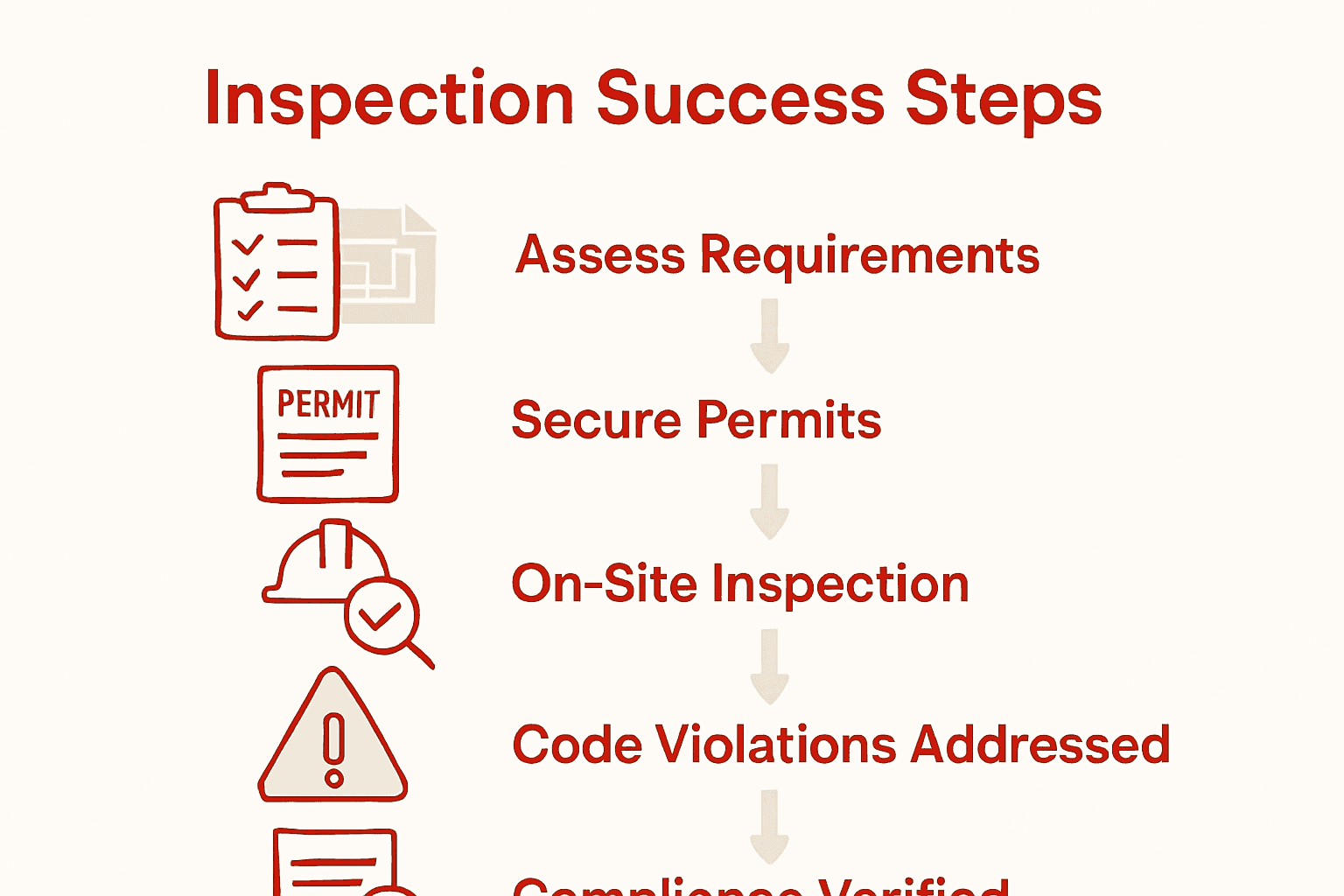
- Step 1: Assess Project Requirements And Documentation
- Step 2: Coordinate Necessary Permits And Schedules
- Step 3: Perform Thorough On-Site Building Inspections
- Step 4: Identify And Address Code Violations
- Step 5: Verify Corrections And Finalize Compliance
Quick Summary
| Main Insight | Explanation |
|---|---|
| 1. Thorough Assessment is Essential | Begin with a detailed assessment of project requirements and documentation to guide the project effectively. |
| 2. Coordinate Permits Early On | Identify and secure necessary permits first to avoid delays in the project timeline. |
| 3. Conduct Detailed On-Site Inspections | Perform comprehensive inspections to ensure compliance with building standards and quality requirements. |
| 4. Address Code Violations Promptly | Identify any code violations early and ensure they are documented and corrected without delay. |
| 5. Verify Corrections for Compliance | Finalize the project by verifying that all corrections are made and meet regulatory standards. |
Step 1: Assess project requirements and documentation
Successfully launching any construction or engineering project begins with a thorough assessment of project requirements and documentation. This critical first step ensures everyone involved understands the project’s scope, expectations, and specific performance goals.
According to the Whole Building Design Guide, establishing comprehensive Owner’s Project Requirements (OPR) is crucial. This means sitting down and meticulously documenting every aspect of your project objectives, from technical specifications to performance criteria. Think of this like creating a detailed roadmap that will guide your entire project team through each phase of development.
Start by gathering all existing documentation including preliminary designs, client specifications, site surveys, and any regulatory compliance documents. Review these materials carefully to identify potential challenges or gaps in the current plan. Pay special attention to technical requirements, budget constraints, timeline expectations, and specific performance standards your project must meet. Pro tip: Create a comprehensive checklist that captures every requirement to ensure nothing gets overlooked during the initial assessment.
Project Delivery Manual emphasizes the importance of maintaining meticulous records throughout this process. Each requirement you document now will serve as a benchmark for future inspections and project validation.
As you complete this assessment, you’ll transition into the next critical phase of project planning. Your detailed documentation will become the foundation for successful project execution and will help prevent misunderstandings or scope creep down the line.
Step 2: Coordinate necessary permits and schedules
Coordinating permits and schedules is a critical phase that transforms your project from concept to reality. This step requires strategic planning, attention to detail, and proactive communication with local authorities and stakeholders.
According to San Francisco, obtaining building permits involves a systematic process that requires careful preparation. Start by identifying all required permits specific to your project type whether residential or commercial. Research local building codes, zoning regulations, and municipal requirements. Create a comprehensive checklist of documents needed such as site plans, architectural drawings, engineering specifications, and proof of property ownership.
Next, develop a detailed project schedule that accounts for permit processing times. San Diego emphasizes the importance of adhering to milestone schedules and project kickoff requirements. Contact local permitting offices early to understand their specific submission protocols and potential review timelines. Pro tip: Always build extra time into your schedule for potential administrative delays or requests for additional documentation.
Submit your permit applications thoroughly and accurately. Double check every document for completeness to prevent unnecessary processing delays. Follow up regularly with permitting authorities and maintain open lines of communication. Your diligence during this phase can significantly streamline the entire project approval process.
As you complete permit coordination, you’ll be positioning your project for smooth execution. The groundwork you lay now will provide a solid foundation for successful project progression.
Step 3: Perform thorough on-site building inspections
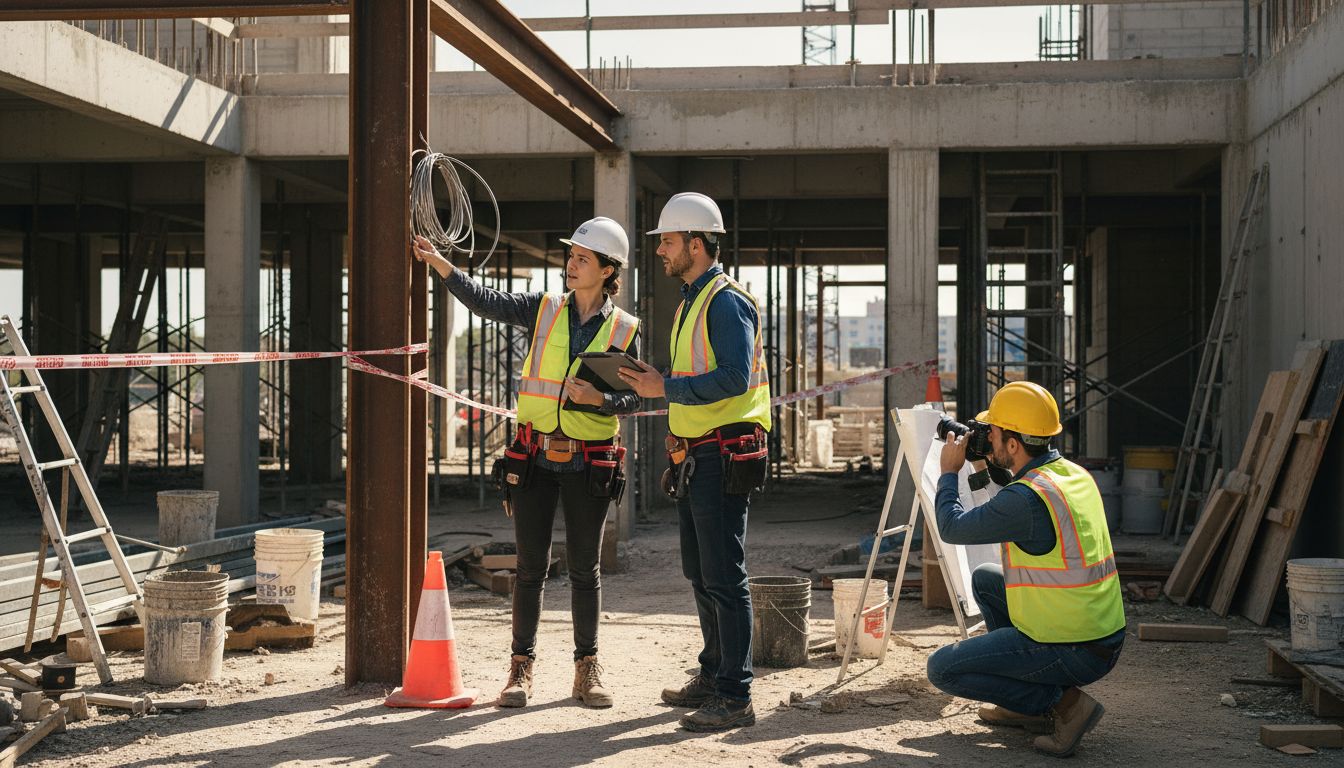
Performing comprehensive on-site building inspections is a critical stage that ensures your construction project meets all required standards and specifications. This step demands meticulous attention, technical expertise, and a systematic approach to evaluating every aspect of the project.
According to the U.S. Department of Energy, building inspectors play a crucial role in verifying compliance with local and federal building codes. Begin your on-site inspection by thoroughly reviewing the original project plans and specifications. Prepare a detailed checklist that covers structural integrity, mechanical systems, electrical installations, plumbing, and other critical components. Bring all necessary testing equipment and measurement tools to conduct precise evaluations.
As recommended by the Los Angeles Bureau of Engineering, document every finding meticulously. Take comprehensive notes, photographs, and measurements that capture both conforming and non-conforming elements. Pro tip: Create a standardized inspection report template beforehand to ensure consistency and thoroughness in your documentation.
Carefully examine each construction phase and compare actual work against approved plans. Look for potential safety issues, code violations, or deviations from original specifications. Pay special attention to structural connections, material quality, installation techniques, and overall workmanship. Your keen eye and systematic approach can prevent costly future repairs and ensure project quality.
As you complete the on-site inspection, you’ll have a comprehensive understanding of the project’s current status. Your detailed documentation will serve as a critical reference point for future maintenance and potential modifications.
Step 4: Identify and address code violations
Identifying and addressing code violations is a critical process that protects the safety, integrity, and legal compliance of your construction project. This step requires a systematic approach, keen attention to detail, and proactive problem-solving skills.
According to the Federal Highway Administration, construction inspection reports are essential for documenting field conditions and identifying potential code violations. Begin by creating a comprehensive reference checklist that includes all relevant local, state, and federal building codes applicable to your specific project type. Cross reference this checklist with your detailed on-site inspection notes, carefully examining each area for potential non compliance issues.
The National Renewable Energy Laboratory emphasizes the importance of prompt violation resolution. When you identify a code violation, document it thoroughly with precise details including location, specific code section violated, and photographic evidence. Communicate these findings immediately to the project manager and responsible contractors. Pro tip: Always provide specific recommendations for corrective actions alongside your violation documentation to expedite resolution.
Prioritize violations based on their severity and potential impact on safety and structural integrity. Some violations may require immediate halting of construction activities, while others might allow for corrective modifications within a specified timeframe. Maintain open and transparent communication with all stakeholders throughout the remediation process.
As you complete this critical review, you are ensuring the project meets all necessary regulatory standards. Your meticulous approach will help prevent potential legal issues and guarantee the long term safety and quality of the construction project.
Step 5: Verify corrections and finalize compliance
Verifying corrections and finalizing compliance represents the critical final stage of your building inspection process. This phase demands meticulous attention to detail and a systematic approach to ensuring all previously identified issues have been thoroughly addressed.
According to the Los Angeles Bureau of Engineering, successful compliance verification requires comprehensive documentation of all corrective actions. Schedule a follow up inspection to methodically review each previously identified violation. Compare the corrected work against original project specifications and applicable building codes. Pay close attention to the specific remediation steps proposed during the initial code violation identification process.
The Federal Highway Administration emphasizes the importance of thorough communication during this verification stage. Document every aspect of the correction process with detailed notes, photographs, and measurement records. Pro tip: Create a side by side comparison checklist that highlights the original violation and the specific corrective action taken to resolve each issue.
Evaluate not just the technical compliance but also the quality of workmanship and long term sustainability of the corrections. Engage directly with contractors and project managers to discuss any nuanced aspects of the remediation. Confirm that all corrections meet or exceed the required standards and do not introduce new potential compliance risks.
As you complete this final verification, you are transforming your project from a potential risk into a fully compliant and professionally executed construction effort. Your rigorous approach ensures the highest standards of safety and quality are maintained throughout the entire building process.
Ensure Your Building Inspection Success with Expert Engineering Support
Building inspections require precise coordination and thorough understanding of every technical detail from documentation to final compliance. The challenges of identifying code violations and verifying corrections can feel overwhelming without trusted expertise. That is why having professional engineering services that cover architectural, structural, mechanical, electrical, and plumbing plans can make all the difference in securing a smooth project outcome.
Explore the insights shared in the Uncategorized Archives – Texas Structural Inspectors to understand common inspection considerations. Then partner with us to benefit from experienced inspection services and permitting expediter solutions designed to reduce delays and prevent costly oversights.

Take control of your building project today by visiting Florida Licensed Engineers to discover how we support your success from initial assessment to final compliance. Act now to safeguard your investment and build with confidence.
Frequently Asked Questions
How can I assess project requirements before building inspections?
Begin by gathering all existing documentation such as preliminary designs and site surveys. Review these materials carefully to identify any potential challenges or gaps, creating a checklist to ensure no requirement is overlooked.
What steps are involved in coordinating necessary permits for building inspections?
Start by identifying all required permits specific to your project and researching local codes. Create a detailed checklist of needed documents and develop a project schedule that includes time for permit processing to avoid delays.
What should I include in a checklist for on-site building inspections?
Include items that cover structural integrity, mechanical systems, electrical installations, and plumbing. Prepare detailed notes and photograph discrepancies to ensure thorough evaluation of both conforming and non-conforming elements.
How do I document code violations during inspections?
Create a reference checklist of applicable building codes and cross-reference it with your inspection notes. Document each violation with precise details and photographs, and communicate these findings to the project manager promptly.
What steps should I take to verify corrections after identifying code violations?
Schedule a follow-up inspection and review each previously identified violation against the corrective actions taken. Ensure that all repairs meet or exceed the required standards and document this verification with a detailed report.
How can thorough documentation contribute to successful building inspections?
Meticulous documentation serves as a benchmark for inspections and project validation. Create standardized templates for reporting findings to maintain consistency and quality throughout the entire building process.
Recommended
- Complete Guide to Building Inspection Services – FloridaLicensedEngineers.com
- Complete Guide to the Role of Inspections in Building – FloridaLicensedEngineers.com
- 7 Essential Items for a Building Inspection Checklist – FloridaLicensedEngineers.com
- How to Prepare for Engineering Inspection with Confidence – FloridaLicensedEngineers.com
- Preparing for Food Inspections: A Complete Guide for 2025 – Probe IT
- Interior Signage Step by Step for Business Success –
