
Commercial Construction Terminology: What Every Owner Needs
Most American business owners are surprised to learn that a single misinterpreted construction term can lead to costly delays and legal headaches. The world of commercial construction is filled with specialized lingo that often leaves even experienced project owners feeling lost. Gaining confidence with core concepts and vocabulary can make the entire building process smoother, helping you communicate clearly with architects, engineers, and contractors while safeguarding your investment.
Table of Contents
- Core Concepts In Commercial Construction Terminology
- Major Construction Project Phases Explained
- Essential Roles And Responsibilities On-Site
- Permitting, Compliance, And Documentation Terms
- Costs, Liabilities, And Common Pitfalls
Key Takeaways
| Point | Details |
|---|---|
| Understanding Terminology | Familiarizing yourself with commercial construction terminology is crucial for effective communication among all stakeholders. |
| Project Phases | Recognize the significance of each project phase from initiation to construction to ensure thorough planning and execution. |
| Roles and Responsibilities | Clearly define the roles of key personnel on-site to enhance coordination and efficiency throughout the construction process. |
| Cost Management | Develop a comprehensive financial strategy that includes a contingency budget to mitigate potential risks and unexpected expenses. |
Core Concepts in Commercial Construction Terminology
Commercial construction involves a complex ecosystem of specialized terminology that can overwhelm project owners and stakeholders. Understanding these core concepts is crucial for navigating successful building projects. Commercial construction terminology encompasses a wide range of technical language used by architects, engineers, contractors, and project managers to communicate precise technical requirements and expectations.
The foundational terminology in commercial construction can be categorized into several critical areas. Project delivery methods define how construction projects are organized and executed, including design-bid-build, design-build, and construction management approaches. Contract types like fixed price, cost-plus, and guaranteed maximum price contracts establish financial frameworks and risk allocation strategies. Design phase terminology covers critical elements such as schematic design, design development, and construction documents, which outline the progressive stages of architectural and engineering planning.
Here’s a summary of key project delivery methods and their impact on commercial construction:
| Delivery Method | Typical Structure | Benefits |
|---|---|---|
| Design-Bid-Build | Separate designer & builder | Clear roles, competitive bidding |
| Design-Build | Single entity responsibility | Faster delivery, streamlined communication |
| Construction Management | Hired advisor manages process | Greater owner control, flexible scheduling |
Key stakeholders in commercial construction each have distinct roles and responsibilities. Architects develop comprehensive design plans, while structural engineers ensure building integrity and safety. General contractors manage overall project execution, coordinating subcontractors and ensuring compliance with design specifications. Civil engineering terms further explain how site preparation, grading, and utility planning integrate into the broader construction process.
Pro Tip: Always request a detailed glossary from your project team during initial consultations to ensure clear communication and mutual understanding of technical terminology throughout the construction process.
Major Construction Project Phases Explained
Commercial construction projects progress through complex, interconnected phases that require meticulous planning and execution. Pre-construction planning represents the foundational stage where project feasibility, site selection, and initial budgeting occur. During this critical phase, project owners and stakeholders collaborate to define project scope, establish financial parameters, and conduct comprehensive site assessments.
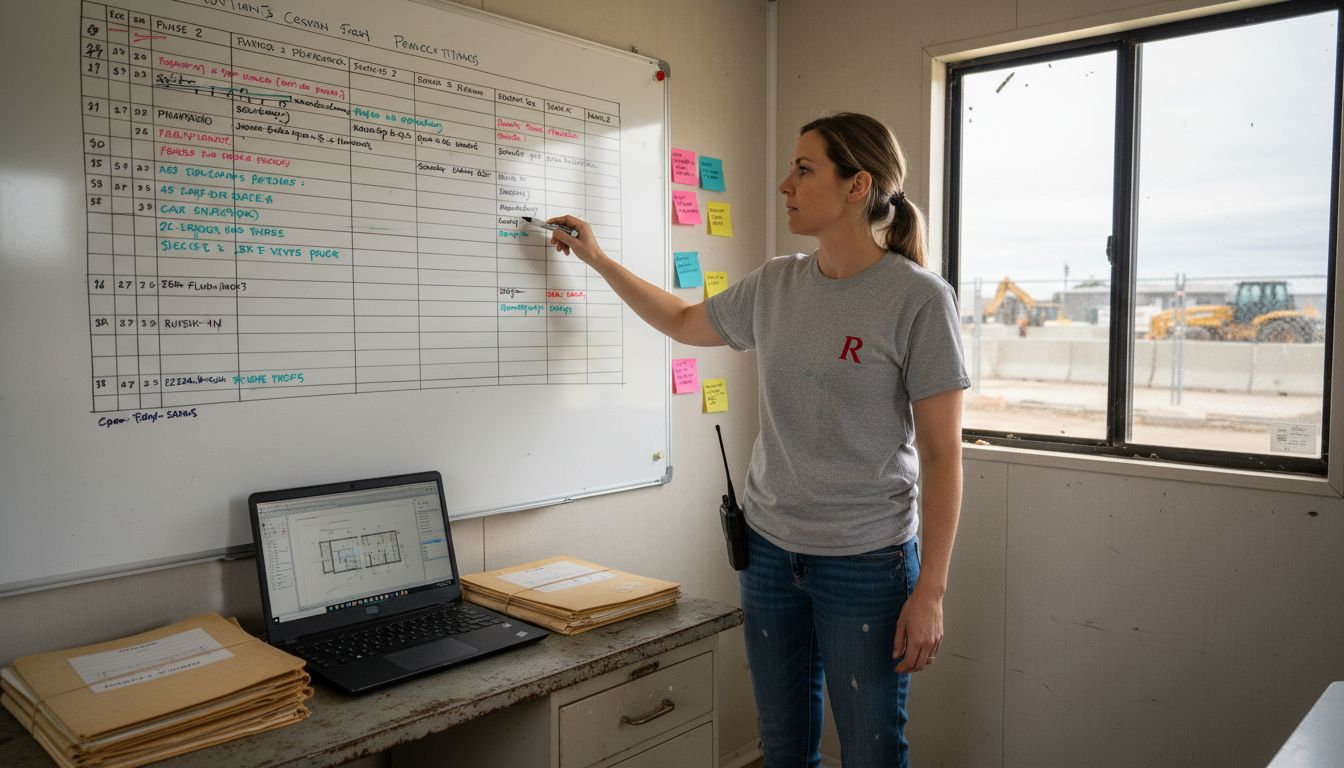
The primary construction project phases typically include five key stages. Initiation involves developing project concepts and conducting preliminary feasibility studies. Planning encompasses detailed design development, budget refinement, and securing necessary permits. The design phase requires architects and engineers to create comprehensive blueprints and technical specifications. Procurement involves selecting contractors, obtaining materials, and establishing contractual agreements. The construction phase represents the active building period where physical work transforms design concepts into tangible structures.
Each project phase demands specific documentation and strategic coordination. Preconstruction documents include feasibility studies, site surveys, and initial budget estimates. Design documents feature architectural drawings, engineering plans, and detailed specifications. Construction documents track project progress, manage subcontractor activities, and ensure compliance with local building codes and regulations. Structural plans workflow provides critical insights into how technical documentation guides project implementation and quality control.
The following table provides a quick comparison of major construction project phases and critical documentation needs:
| Phase | Key Focus | Essential Documentation |
|---|---|---|
| Initiation | Feasibility & concepts | Concept studies, preliminary reports |
| Planning | Scope & design | Design proposals, permit applications |
| Procurement | Resource selection | Contractor agreements, bid packages |
| Construction | Physical building | Progress logs, inspection reports |
Pro Tip: Create a comprehensive project timeline that includes buffer periods for unexpected challenges, helping you maintain flexibility and manage potential delays more effectively.
Essential Roles and Responsibilities On-Site
Construction management represents a complex ecosystem of specialized professionals who collaborate to transform architectural designs into functional structures. Each team member plays a critical role in ensuring project success, with distinct responsibilities that contribute to the overall efficiency and quality of the construction process.
The primary on-site roles include several key personnel with specific areas of expertise. Construction Managers serve as central coordinators, overseeing project timelines, budgets, and communication between different teams. Site Superintendents manage daily operations, supervising worker activities and ensuring safety protocols are followed. Project Engineers handle technical aspects, reviewing plans, coordinating equipment needs, and troubleshooting complex technical challenges. Foremen lead specific trade teams, such as electrical, plumbing, or carpentry crews, directing workers and maintaining quality standards.
Specialized Technical Professionals bring critical expertise to construction sites. Building engineers provide essential insights into structural integrity, mechanical systems, and overall building performance. Structural engineers analyze load-bearing requirements and design critical support mechanisms. Mechanical engineers manage complex system installations, including HVAC, electrical, and plumbing infrastructure. Safety inspectors conduct regular site evaluations, ensuring compliance with local building codes and maintaining worker safety standards.
Pro Tip: Establish clear communication protocols and weekly coordination meetings to ensure seamless collaboration between different on-site professional teams, reducing potential miscommunication and project delays.
Permitting, Compliance, and Documentation Terms
Commercial construction projects involve a complex landscape of legal documentation and regulatory requirements that project owners must thoroughly understand. New Engineering Contract standards provide critical frameworks for managing the intricate documentation processes that govern construction projects, ensuring clear communication and legal protection for all stakeholders.
Key documentation terms encompass several critical categories. Permits represent official governmental authorizations required before construction can commence, including building permits, zoning approvals, and environmental clearances. Compliance documents verify that proposed construction meets local, state, and federal regulations regarding safety, accessibility, environmental impact, and structural integrity. Contractual documentation includes detailed agreements specifying project scope, timeline, budget, responsibilities, and potential liability provisions. These documents serve as legal safeguards that define expectations and protect the interests of contractors, engineers, and project owners.
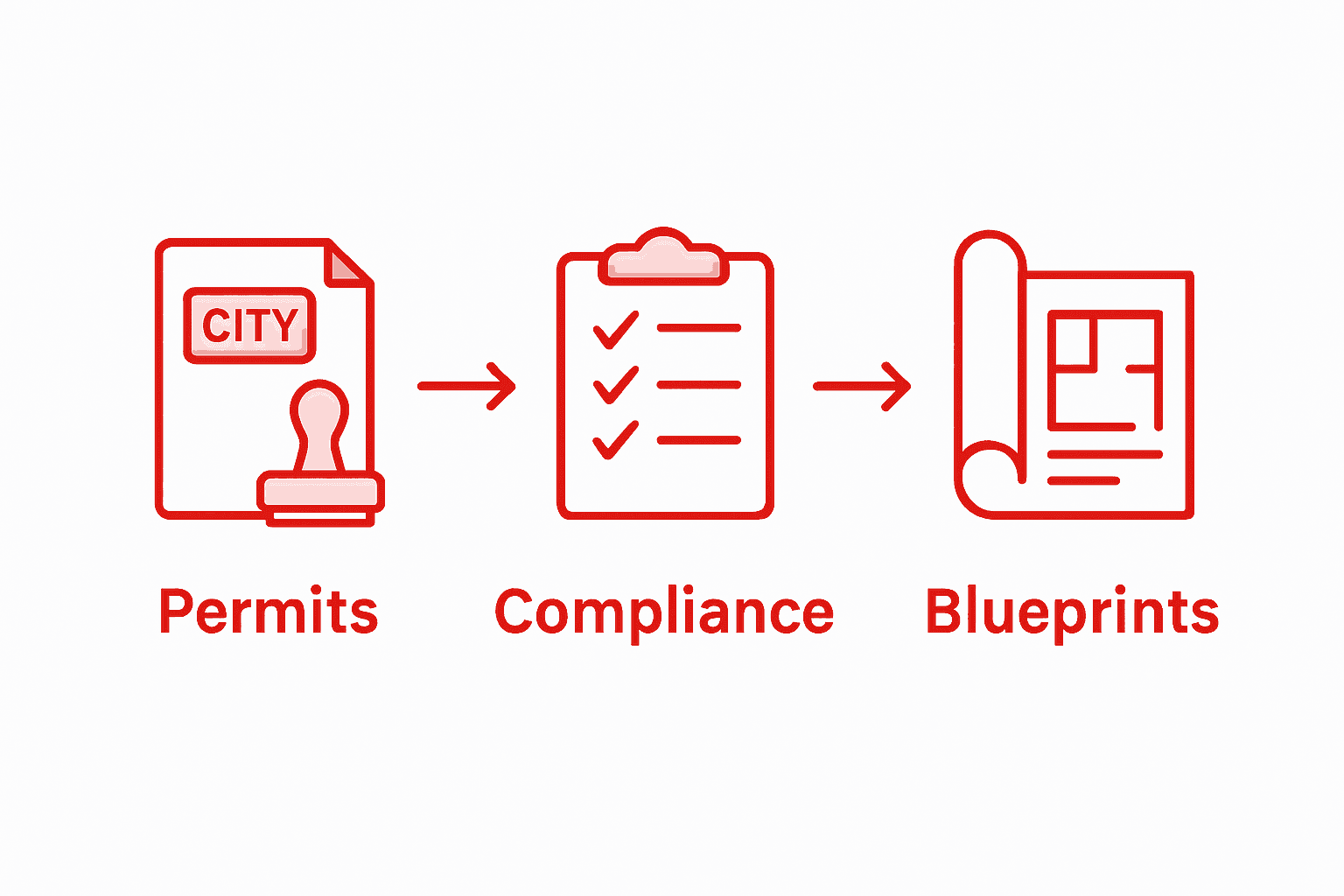
Engineering documentation plays a crucial role in maintaining project transparency and legal accountability. Blueprints and technical drawings provide precise specifications for construction requirements. Inspection reports document ongoing project compliance and identify potential issues. Risk management documents outline potential hazards, mitigation strategies, and insurance requirements. Change orders formally document modifications to original project plans, ensuring all stakeholders understand and agree to project adjustments.
Pro Tip: Maintain a comprehensive digital filing system for all project documentation, creating backup copies and organizing files chronologically to streamline potential future audits or legal reviews.
Costs, Liabilities, and Common Pitfalls
Commercial construction projects involve complex financial landscapes that require meticulous planning and strategic risk management. Cost contingency strategies play a critical role in protecting project owners from unexpected financial challenges, providing a financial buffer to address unforeseen circumstances that could derail project budgets.
Financial risks in commercial construction stem from multiple potential sources. Direct project costs include materials, labor, equipment rentals, and professional services. Indirect costs encompass permits, inspections, insurance, and administrative expenses. Liability risks represent potential legal and financial exposures that can emerge from construction defects, workplace accidents, environmental damages, or contract disputes. Project owners must carefully evaluate insurance requirements, including general liability, professional liability, and workers compensation coverage to mitigate potential financial vulnerabilities.
Construction project management consultant costs can significantly impact overall project budgets. Common financial pitfalls include inadequate budget contingencies, scope creep, delayed timelines, and unexpected material price fluctuations. Change orders can dramatically increase project expenses, with some modifications potentially adding 10-20% to original budget estimates. Risk allocation in contracts becomes crucial, determining how unexpected costs and liabilities are distributed among contractors, engineers, and project owners.
Pro Tip: Develop a comprehensive risk management strategy that includes a minimum 15-20% contingency budget and detailed documentation of all potential financial risks before project initiation.
Master Commercial Construction Terminology with Expert Engineering Support
Navigating the complex world of commercial construction terminology can be overwhelming for project owners aiming to avoid costly delays and misunderstandings. Whether you are dealing with detailed blueprints, managing permitting expediter tasks, or overseeing critical phases like site planning, understanding terms such as construction documents, design development, and risk allocation is essential for successful project delivery. Our team at Florida Licensed Engineers offers comprehensive engineering services tailored to your commercial construction needs including architectural, structural, mechanical, electrical, and plumbing plans — all designed to simplify your journey and keep your project on track.
Don’t let unclear terminology slow your project progress or expose you to financial risks. Get the clarity and expert guidance you need now with trusted professionals who specialize in everything from civil engineering services like drainage and flood mitigation to forensic investigation and reports. Visit Florida Licensed Engineers and explore how our expertise can help you manage your construction project with confidence, control, and compliance.
Frequently Asked Questions
What are the main project delivery methods in commercial construction?
The primary project delivery methods include Design-Bid-Build, where the designer and builder are separate; Design-Build, where a single entity is responsible for both design and construction; and Construction Management, which allows for greater owner control and flexibility in scheduling.
What key roles do architects and engineers play in commercial construction?
Architects develop comprehensive design plans, while engineers, including structural and mechanical engineers, ensure the building’s integrity, safety, and performance through technical analysis and system installations.
What documentation is essential during the phases of a construction project?
Essential documentation varies by phase, including feasibility studies and site surveys during initiation, design proposals and permit applications during planning, contractor agreements in procurement, and progress logs and inspection reports during the construction phase.
How can project owners manage costs and financial risks in construction?
Project owners can manage costs and financial risks by establishing a comprehensive budget that includes direct and indirect costs, implementing cost contingency strategies, and ensuring adequate insurance coverage to protect against potential liabilities.
