
What Is Commercial Inspection? Key Risks and Benefits
Most American commercial buildings in Florida face unique compliance challenges that can impact safety and property value. Property owners and managers know that even a single overlooked issue can lead to costly repairs or legal penalties. Regular commercial inspections help identify risks early, protecting your investment and ensuring your buildings meet strict Florida regulations. Explore how professional assessments safeguard your interests and reveal cost-saving opportunities you might not expect.
Table of Contents
- Defining Commercial Inspection In Real Estate
- Core Types Of Commercial Inspections Explained
- How The Commercial Inspection Process Works
- Florida Laws And Compliance Requirements
- Critical Risks, Liabilities, And Cost Implications
- Key Benefits For Owners And Managers
Key Takeaways
| Point | Details |
|---|---|
| Importance of Commercial Inspections | Comprehensive evaluations of commercial properties help identify risks and maintenance needs, protecting investments and ensuring compliance. |
| Types of Inspections | Key inspection types include structural assessments, mechanical system reviews, and environmental assessments, each fulfilling specific evaluation roles. |
| Legal Compliance in Florida | Florida requires licensed professionals to perform inspections at mandated intervals, particularly for multi-story buildings, to uphold safety standards. |
| Risk Mitigation Strategies | Regular inspections can prevent costly repairs and legal liabilities, serving as investment tools for informed property management decisions. |
Defining Commercial Inspection in Real Estate
A commercial inspection represents a comprehensive evaluation of a commercial property’s structural integrity, safety systems, and overall condition, critical for property owners, investors, and managers seeking to understand potential risks and maintenance requirements. Unlike residential inspections, commercial inspections cover more complex systems and larger spaces that demand specialized technical expertise.
Commercial inspections involve a systematic assessment of key property components, including structural elements and safety conditions that could impact operational efficiency and financial value. These professional evaluations typically examine electrical systems, mechanical infrastructure, plumbing networks, roofing conditions, foundation stability, and potential environmental hazards that might compromise building performance.
Under legal frameworks like those established in state occupational codes, commercial inspectors must be licensed professionals authorized to provide detailed written assessments. Their reports document visible damage, equipment status, potential safety risks, and recommendations for maintenance or potential improvements. Such inspections serve multiple critical purposes: protecting investor interests, ensuring regulatory compliance, identifying potential repair needs, and providing a comprehensive understanding of a property’s current condition.
Pro tip: Always request a detailed written report from a licensed commercial inspector that includes photographic documentation and specific recommendations for any identified issues.
Core Types of Commercial Inspections Explained
Commercial inspections encompass a diverse range of specialized assessment types designed to evaluate different aspects of commercial properties. Comprehensive inspection procedures cover multiple building categories and systems, ranging from industrial facilities to office complexes, each requiring unique analytical approaches to ensure thorough evaluation.
The primary types of commercial inspections include structural assessments, which examine the foundational integrity and load-bearing components of a building; mechanical system inspections, focusing on heating, ventilation, air conditioning, and other critical infrastructure; electrical system evaluations, which analyze wiring, electrical panels, and overall power distribution networks; and environmental risk assessments, identifying potential hazardous conditions or contamination risks that could impact property value and safety.
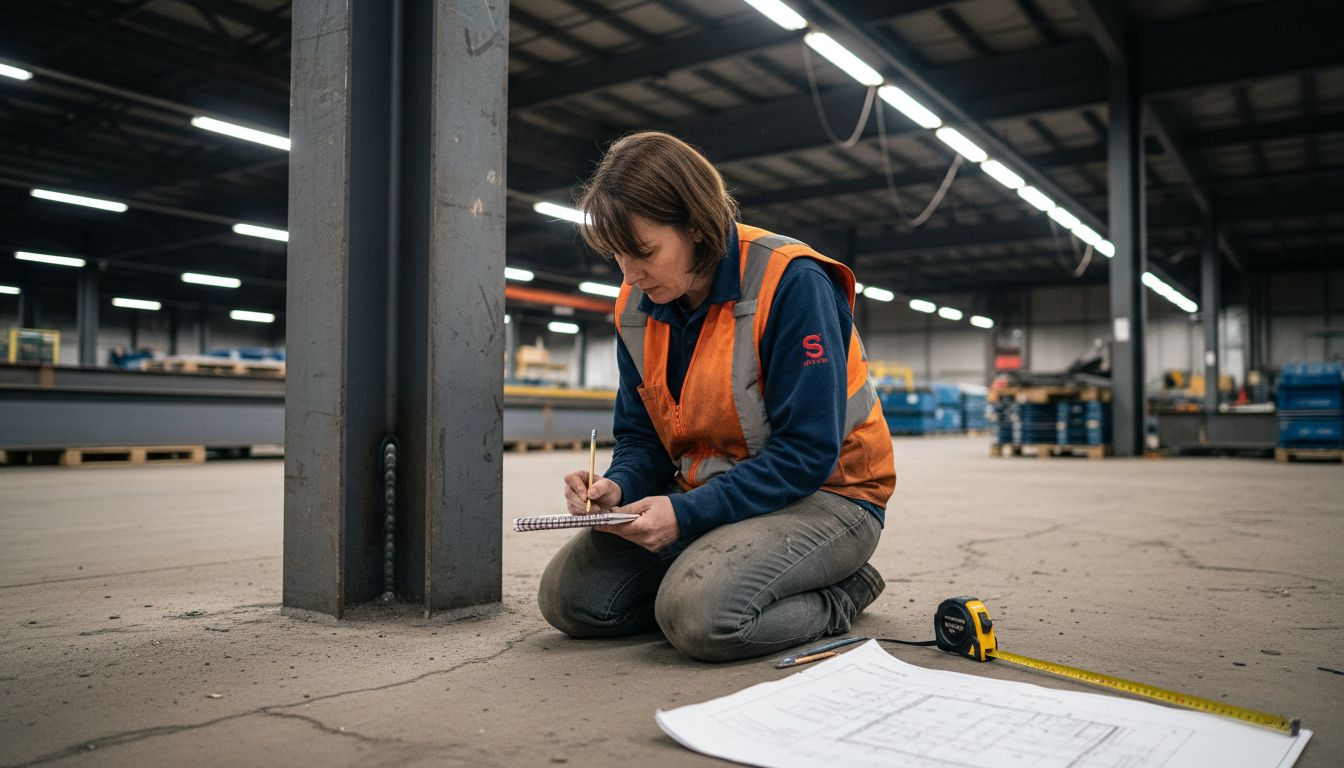
Additional specialized inspection categories involve construction phase inspections that monitor ongoing building projects, due diligence inspections for property acquisitions, safety compliance reviews, and vacant building assessments. Each type serves a specific purpose in understanding a commercial property’s condition, potential maintenance requirements, and overall investment potential. Property managers, investors, and owners rely on these detailed examinations to make informed decisions about property management, potential renovations, and risk mitigation strategies.
Here’s a summary of the main types of commercial property inspections and their unique focus areas:
| Inspection Type | Principal Focus | Typical Business Impact |
|---|---|---|
| Structural Assessment | Foundation and load-bearing | Prevents major repairs |
| Mechanical System Review | HVAC and infrastructure | Ensures operational efficiency |
| Electrical System Check | Wiring and power distribution | Reduces fire risk, outage costs |
| Environmental Assessment | Hazard and contamination | Mitigates health/legal liability |
Pro tip: Request a comprehensive inspection report that includes not just findings, but also prioritized recommendations for addressing any identified structural or systemic issues.
How the Commercial Inspection Process Works
The commercial inspection process follows a structured methodology designed to provide comprehensive property evaluation. Inspectors conduct systematic visual observations and document reviews to assess the overall condition and potential risks associated with a commercial property, utilizing a methodical approach that ensures thorough examination of critical building systems.
Typically, the inspection process involves several key stages: initial document review, comprehensive property walk-through, detailed system assessments, and comprehensive reporting. During the initial phase, inspectors gather background information about the property, including architectural plans, previous inspection records, maintenance histories, and any known structural modifications. The physical inspection stage involves meticulously examining accessible areas, analyzing structural components, mechanical systems, electrical infrastructure, plumbing networks, and identifying potential safety hazards or environmental risks.
After completing the on-site assessment, inspectors compile a detailed report that documents their findings, highlighting critical observations, potential maintenance requirements, and recommended actions. These reports serve as essential tools for property owners, investors, and facility managers to make informed decisions about property maintenance, potential renovations, risk mitigation, and future investment strategies. The depth and complexity of the report often depend on the specific type of commercial property and the client’s unique requirements.
Pro tip: Request a comprehensive inspection report that includes not just visual documentation, but also prioritized recommendations and potential cost estimates for addressing identified issues.
Florida Laws and Compliance Requirements
Florida has established comprehensive regulations governing commercial property inspections to ensure public safety and structural integrity. Specific statutory requirements mandate detailed structural inspections for multi-story buildings, particularly for condominiums and cooperative structures that pose potential safety risks due to their complex architectural designs and aging infrastructure.
The state’s legislative framework requires licensed architects and professional engineers to conduct milestone inspections at critical intervals. For buildings three stories or higher, mandatory inspections are required at 30 years of age and subsequently every 10 years. Coastal region buildings face even more stringent requirements due to environmental challenges like saltwater corrosion, hurricane exposure, and accelerated structural degradation. These inspections must comprehensively evaluate structural components, including foundations, load-bearing walls, concrete structures, and critical infrastructure elements that could compromise building safety.
Compliance with Florida’s inspection laws involves multiple layers of regulatory oversight. Property owners must maintain detailed documentation of inspection reports, structural assessments, and any recommended remediation efforts. Failure to comply can result in significant penalties, potential legal liability, and in extreme cases, mandatory building evacuation. Local jurisdictions have additional enforcement mechanisms that complement state-level regulations, creating a multilayered approach to ensuring commercial property safety and maintenance standards.
Below is a quick reference to Florida’s inspection regulations for multi-story commercial buildings:
| Requirement | Applies To | Frequency |
|---|---|---|
| Milestone Inspection | Buildings 3+ stories | At 30 years, then every 10 yrs |
| Coastal Inspection | Coastal region buildings | May require more frequent |
| Licensed Inspector Mandate | All regulated inspections | Must use FL licensed engineer |
Pro tip: Schedule inspections well in advance of statutory deadlines and maintain comprehensive documentation to demonstrate proactive compliance with Florida’s rigorous building safety regulations.
Critical Risks, Liabilities, and Cost Implications
Commercial property inspections represent a critical risk management strategy that directly impacts financial and legal exposure. Risk tolerance and due diligence fundamentally shape the scope and financial implications of comprehensive property assessments, with potential consequences ranging from minor maintenance expenses to catastrophic structural failures that could result in millions of dollars in damages.
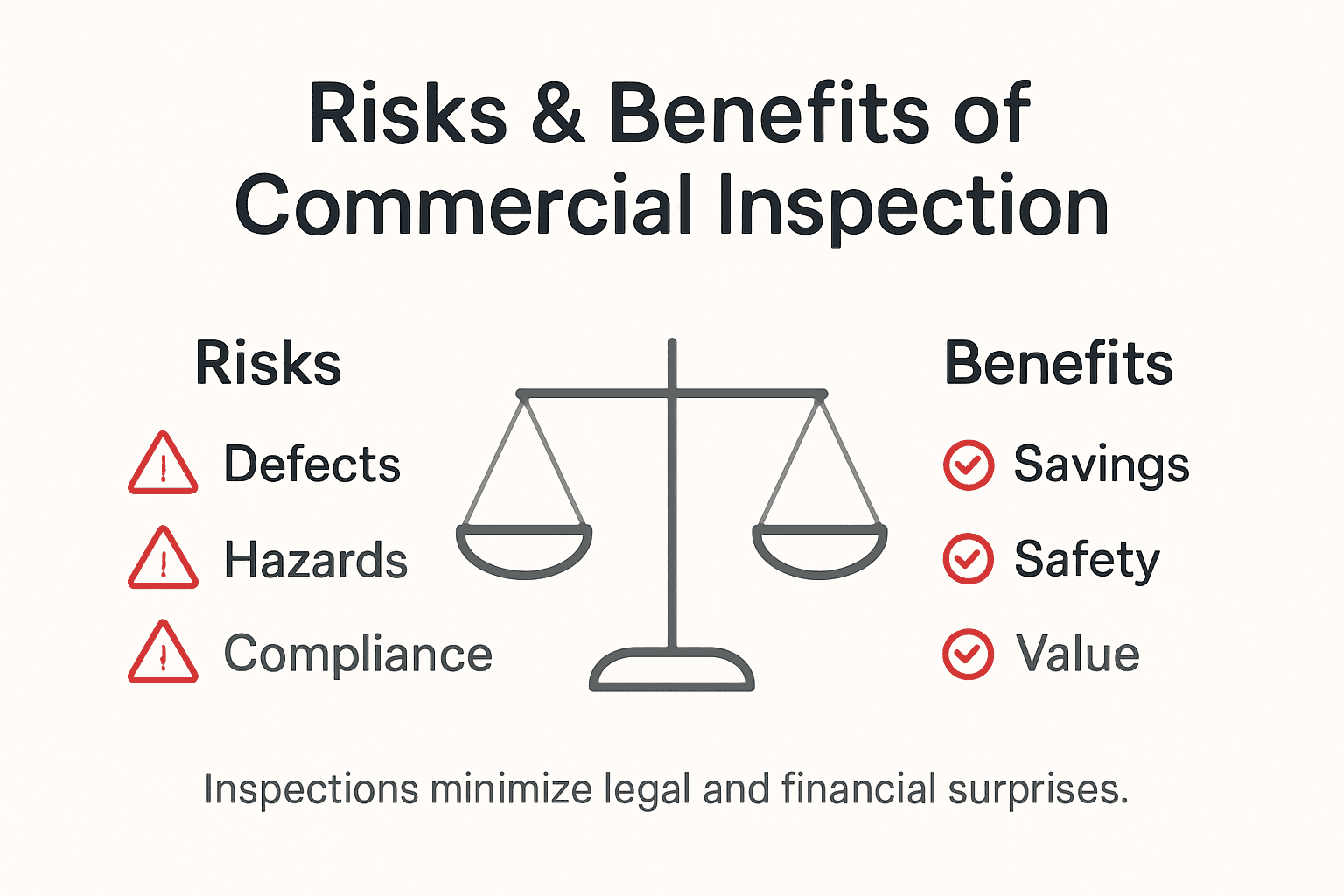
The primary risks associated with commercial properties include structural defects, safety hazards, code violations, and potential environmental liabilities. These risks can manifest in various forms: hidden foundation deterioration, electrical system vulnerabilities, compromised load-bearing structures, and environmental contamination. Each undetected issue represents a potential financial and legal time bomb for property owners, with potential consequences including sudden repair costs, potential litigation, decreased property value, and in extreme scenarios, complete property condemnation.
Financial implications of commercial property risks extend beyond immediate repair costs. Insurance premiums, legal liability, potential business interruption, and long-term property valuation can all be dramatically impacted by unaddressed structural or safety issues. Property owners face complex calculations of risk mitigation, balancing the upfront costs of thorough inspections against the potential exponential expenses of undetected structural or systemic problems. Professional inspections serve as a critical preventative investment, providing detailed insights that can help property owners make informed decisions about maintenance, renovation, and risk management strategies.
Pro tip: Consider comprehensive inspection reports as strategic financial documents that can potentially save hundreds of thousands of dollars in future repair and liability costs.
Key Benefits for Owners and Managers
Commercial property owners and managers gain substantial strategic advantages through comprehensive inspection processes. Regular property assessments provide critical insights that extend far beyond simple maintenance documentation, offering a proactive approach to property management that can significantly impact long-term financial performance and risk mitigation.
The primary benefits encompass multiple critical dimensions of property management. Financially, these inspections help identify potential issues before they escalate into expensive repairs, potentially saving thousands of dollars in unexpected maintenance costs. Structurally, they provide detailed analysis of building components, enabling targeted interventions that can extend the lifespan of critical infrastructure. Safety considerations are paramount, with inspections uncovering potential hazards that could pose risks to tenants, employees, and overall property value. These assessments also ensure ongoing regulatory compliance, helping property owners avoid potential legal complications and regulatory penalties.
Beyond immediate financial and safety considerations, commercial property inspections serve as strategic tools for asset management. They provide comprehensive documentation that can be valuable for insurance negotiations, potential sales, refinancing, and long-term investment planning. Property managers can leverage these detailed reports to make informed decisions about capital improvements, prioritize maintenance schedules, and demonstrate proactive management to stakeholders. The insights gained from professional inspections transform property management from a reactive process to a strategic, data-driven approach that can significantly enhance property value and operational efficiency.
Pro tip: Develop a systematic inspection schedule that aligns with both regulatory requirements and your specific property’s unique characteristics to maximize long-term asset protection and value.
Protect Your Investment with Expert Commercial Inspection Services
Understanding the critical risks and benefits of commercial inspections is key to safeguarding your property’s value and ensuring compliance with Florida’s rigorous safety standards. If you are facing challenges such as identifying structural defects, managing costly repairs, or navigating complex regulatory requirements, professional engineering expertise can provide clarity and peace of mind. This article highlights the importance of detailed assessments for electrical, mechanical, and structural systems along with environmental risk evaluations that every commercial property owner must consider.

Don’t leave your commercial property to chance. Partner with seasoned professionals who specialize in comprehensive inspections, forensic investigations, and detailed reporting tailored to your needs. Visit TLE Archives – Texas Licensed Engineers | Residential & Commercial to explore how specialized insight transforms property management from reactive to strategic. Learn more about our full range of services at https://floridalicensedengineers.com and take the proactive step today to protect your investment, reduce liability, and ensure compliance with Florida regulations.
Frequently Asked Questions
What is a commercial inspection?
A commercial inspection is a comprehensive evaluation of a commercial property’s condition, including its structural integrity, safety systems, and overall functionality. It identifies potential risks and maintenance needs for property owners, investors, and managers.
Why are commercial inspections important for property owners?
Commercial inspections are crucial for property owners as they help identify structural defects, safety hazards, compliance issues, and potential environmental risks. This proactive approach can prevent costly repairs and increase the property’s market value.
What are the main types of commercial inspections?
The main types of commercial inspections include structural assessments, mechanical system inspections, electrical system evaluations, environmental risk assessments, and safety compliance reviews. Each type focuses on specific components essential to the property’s operation and safety.
How can commercial inspections impact financial decisions?
Commercial inspections can significantly impact financial decisions by providing insights into the property’s condition and potential repair costs. By identifying issues early, property owners can avoid unforeseen expenses, reduce insurance liabilities, and enhance investment strategies.
Recommended
- Complete Guide to Inspections for Commercial Projects – FloridaLicensedEngineers.com
- Step-by-Step Guide to Commercial Inspections Success – FloridaLicensedEngineers.com
- Why Building Inspections Matter for Property Owners – FloridaLicensedEngineers.com
- Complete Guide to the Role of Inspections in Building – FloridaLicensedEngineers.com
