
How to Report Structural Issues for Safe Properties
Facing cracks in walls or floors that never seem to stop growing can make any Florida property owner uneasy. Understanding the warning signs of structural defects matters because small problems today can threaten building stability and safety tomorrow. This guide breaks down how to spot common issues, document evidence, and find qualified experts so you can protect your property’s value and peace of mind.
Table of Contents
- Step 1: Identify Common Structural Issues
- Step 2: Document Evidence With Photos And Notes
- Step 3: Contact A Qualified Structural Engineer
- Step 4: Submit A Detailed Issue Report
- Step 5: Verify Professional Assessment And Next Steps
Quick Summary
| Key Point | Explanation |
|---|---|
| 1. Identify Warning Signs | Look for cracks, sagging roofs, and misaligned doors as early indicators of structural issues. |
| 2. Document Issues Thoroughly | Capture high-quality photos, notes, and measurements to provide detailed evidence for inspections. |
| 3. Choose the Right Engineer | Research credentials and experience carefully to ensure you find a qualified structural engineer. |
| 4. Prepare a Detailed Report | Organize your findings with photographs and descriptions to facilitate understanding by professionals. |
| 5. Understand and Act on Findings | Review the engineer’s assessment and recommended actions to make informed decisions about repairs. |
Step 1: Identify Common Structural Issues
When examining properties for potential structural problems, knowing what warning signs to look for can prevent major damage and costly repairs. Structural defects can range from minor cosmetic issues to serious stability threats that compromise building safety.
Common structural issues typically manifest through several key indicators. Structural engineering experts recommend focusing on these critical areas:
- Foundation movement creating visible gaps or shifts
- Wall cracks indicating potential stress points
- Roof sagging or uneven surfaces
- Doors and windows becoming misaligned
- Water damage causing ceiling or floor warping
- Visible timber movement or deterioration
- Exposed structural gaps from foundation shifting
To effectively assess these issues, homeowners should systematically inspect their property. Look for subtle changes like slight tilting in floors, unexplained wall cracks, or doors that no longer close smoothly. These can signal underlying structural problems that require professional evaluation.
Catching structural issues early can save thousands in potential repair costs and prevent dangerous building instability.
Careful observation and timely professional assessment are key to maintaining property safety and structural integrity.
Here’s a quick summary of early warning signs and their potential implications:
| Warning Sign | Possible Cause | Severity if Ignored |
|---|---|---|
| Wall cracks | Foundation stress or movement | Can lead to structural failure |
| Roof sagging | Water infiltration or timber decay | Roof collapse risk |
| Misaligned doors/windows | Foundation settling or shifting | May worsen, causing instability |
| Water damage | Leaks or condensation | Rot, mold, structural rot |
| Timber deterioration | Pest infestation or moisture | Integrity compromised |
Pro tip: Keep a detailed photographic record of any structural changes or suspected issues to provide comprehensive documentation for professional inspectors.
Step 2: Document Evidence with Photos and Notes
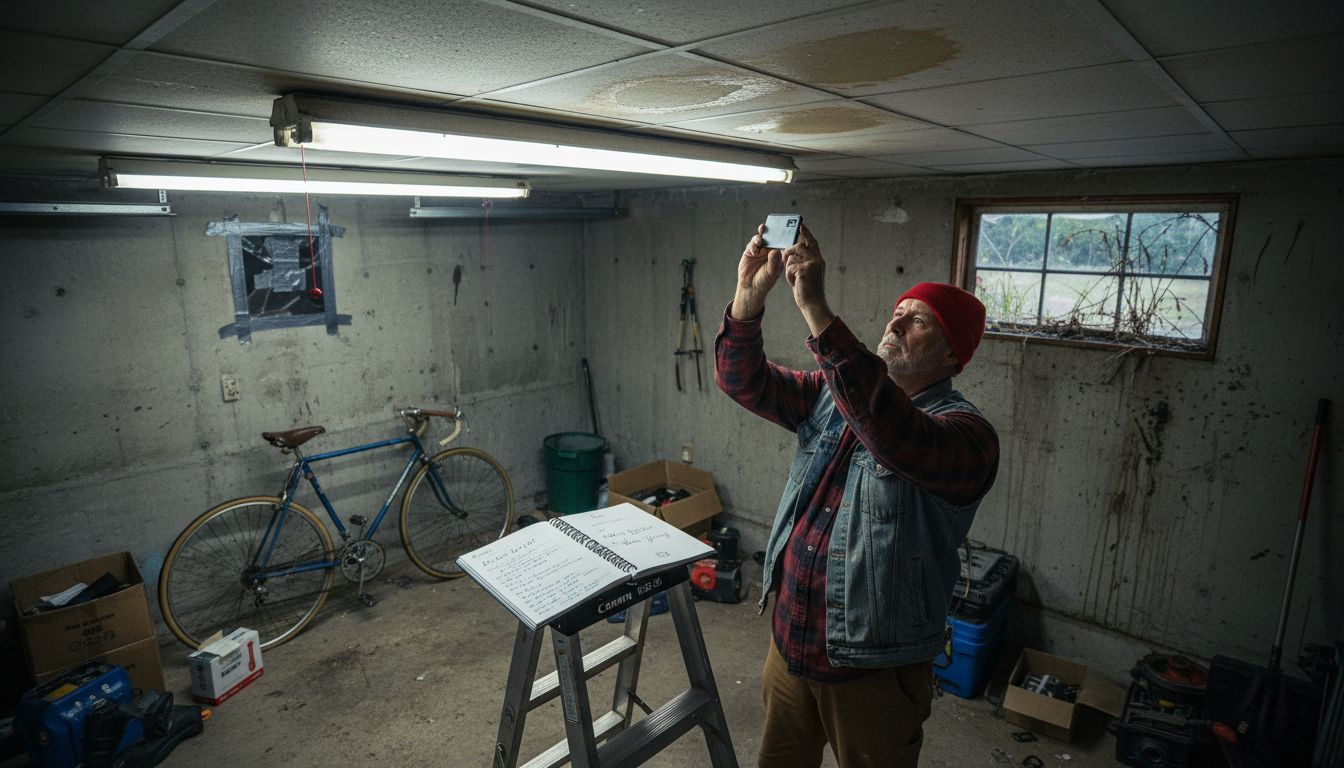
Capturing detailed documentation is crucial when reporting structural issues. Forensic engineering practices emphasize the importance of systematically recording every observable detail to support potential repair or assessment efforts.
When documenting structural problems, follow these key steps:
- Use a high-resolution camera or smartphone
- Take multiple photos from different angles
- Include measurements and scale references
- Capture wide shots and close-up details
- Note precise location of each structural issue
- Record date and time of documentation
- Write clear, concise descriptive notes
Start by creating a comprehensive visual record. Photograph wall cracks, foundation shifts, roof irregularities, and any visible damage with consistent lighting and clear focus. Ensure each image includes context – such as surrounding structures or measurement markers – to provide professional inspectors with comprehensive information.
Thorough documentation can mean the difference between a minor repair and a major structural intervention.
Your photographic and written evidence will serve as critical documentation for engineers and insurance professionals analyzing the structural integrity of your property.
Compare the main documentation methods for structural issues:
| Method | Advantages | Limitations |
|---|---|---|
| Photographic Record | Provides visual evidence | May miss hidden defects |
| Written Notes | Offers descriptive details | Subjective, may lack precision |
| Measurement Markers | Accurate, quantifiable reference | Requires proper tools & skills |
| Digital Backup | Prevents data loss | Needs ongoing maintenance |
Pro tip: Create a digital backup of all photographic evidence and notes in multiple secure locations to prevent potential loss of critical documentation.
Step 3: Contact a Qualified Structural Engineer
Navigating the process of finding a qualified structural engineer requires careful research and strategic approach. Professional engineering associations recommend selecting an engineer with specialized expertise matching your specific structural concerns.
When searching for the right structural engineer, consider these essential steps:
- Verify professional licensing and credentials
- Check years of specialized experience
- Review previous project portfolios
- Request detailed project proposals
- Confirm specialization in your specific structural issue
- Investigate professional association memberships
- Compare consultation rates and availability
Start by compiling a list of potential engineers through local professional networks, state licensing boards, and engineering associations. Prepare a comprehensive summary of your structural documentation to share during initial consultations, which will help engineers quickly assess the complexity of your specific situation.
Selecting the right structural engineer can make the difference between a comprehensive solution and a superficial assessment.
During initial consultations, ask detailed questions about their experience with similar structural issues, their recommended assessment approach, and potential repair strategies.
Pro tip: Request references from previous clients and verify the engineer’s track record of successful structural assessments before making a final selection.
Step 4: Submit a Detailed Issue Report
Creating a comprehensive structural issue report requires careful organization and precise documentation. Safety reporting systems emphasize the importance of providing clear, thorough information that accurately describes the structural concerns.
When preparing your detailed issue report, include these critical elements:
- Comprehensive photographic evidence
- Detailed written descriptions of structural issues
- Exact location and measurements
- Timeline of observed problems
- Potential impact and risk assessment
- Professional engineer’s preliminary findings
- Chronological documentation of changes
Organize your report systematically, starting with an overview of the structural problem and progressively adding specific details. Your documentation should tell a clear story that helps professionals understand the full context of the structural issues. Arrange your photographs in a logical sequence, ensuring each image is labeled with date, location, and specific observations.
A well-documented report can significantly expedite the assessment and resolution of structural problems.
Ensure your report includes both narrative descriptions and objective measurements, providing a comprehensive view of the structural concerns that will facilitate quick and accurate professional evaluation.
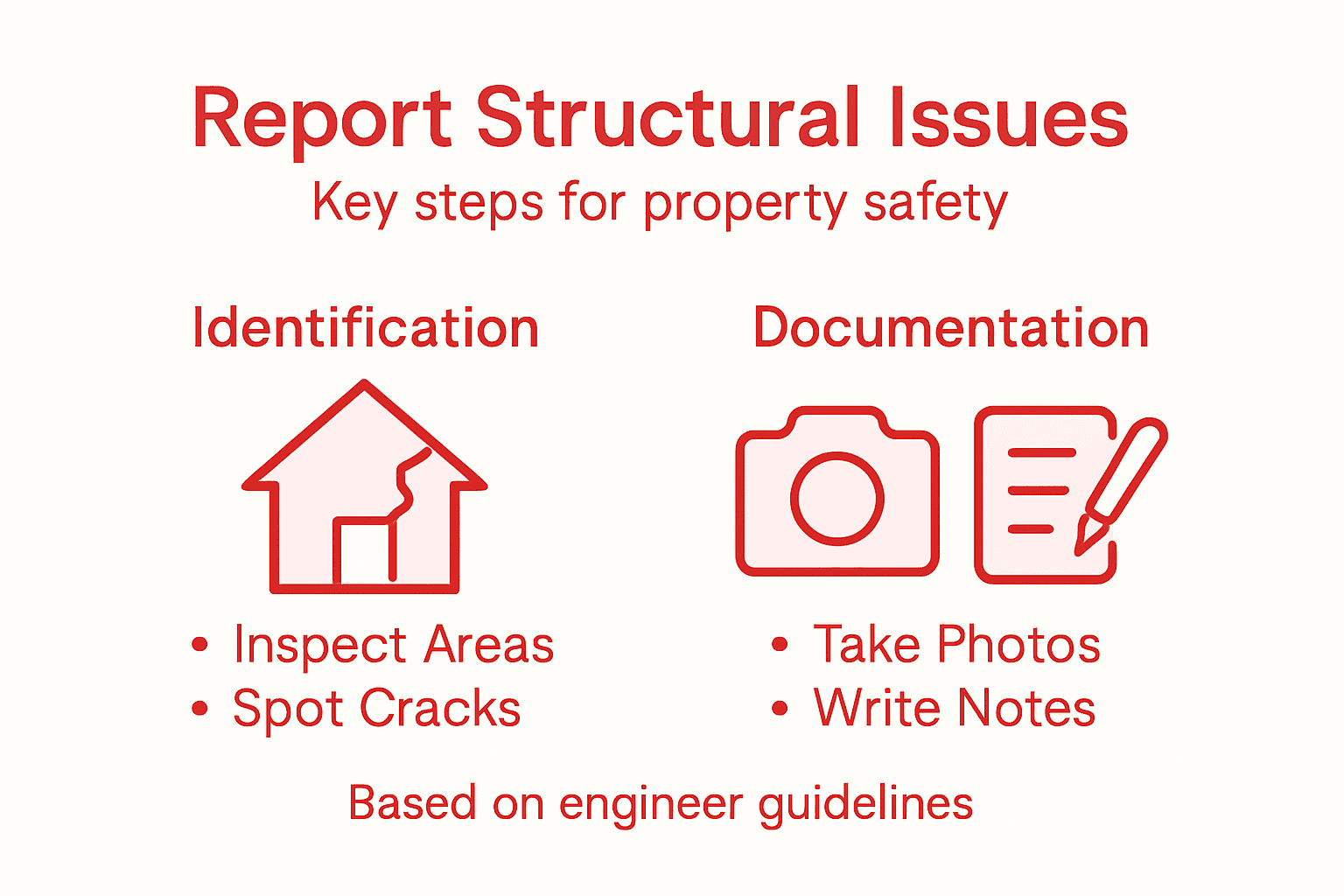
Pro tip: Create a digital and physical backup of your entire report, including all photographic evidence and notes, to prevent potential loss of critical documentation.
Step 5: Verify Professional Assessment and Next Steps
After receiving the structural engineer’s report, carefully reviewing and understanding the professional recommendations becomes critical. Professional engineering verification helps ensure you have received a comprehensive and reliable assessment of your property’s structural condition.
When verifying the professional assessment, focus on these key elements:
- Detailed analysis of structural findings
- Recommended repair or mitigation strategies
- Estimated timeline for potential interventions
- Cost projections for proposed solutions
- Potential long-term structural implications
- Risk assessment and safety recommendations
- Professional engineer’s credentials and license verification
Review the report meticulously, paying close attention to specific technical details and the engineer’s professional recommendations. Ask clarifying questions about any sections you do not fully understand, and request additional explanations or documentation if certain points seem unclear or require further elaboration.
A thorough understanding of your professional assessment is crucial for making informed decisions about your property’s structural integrity.
Prepare to discuss the report’s findings with the engineer, insurance providers, and potentially contractors who might implement recommended repairs or interventions.
Pro tip: Request a written summary of the most critical findings and recommended immediate actions to ensure you have a clear, concise understanding of the structural assessment.
Ensure Your Property’s Safety with Expert Structural Engineering Support
Identifying and reporting structural issues is the first step to protecting your home or commercial building from costly damage and safety risks. This article highlights the challenges of recognizing foundation shifts, wall cracks, and other warning signs that demand prompt professional attention. By documenting these problems carefully and understanding expert assessments, you move closer to securing your property’s long-term stability.
Don’t face these challenges alone — get trusted engineering services designed for thorough inspections, detailed forensic reports, and reliable structural plans. Our team at Florida Licensed Engineers offers comprehensive support tailored to your unique needs. Whether you need residential or commercial project assistance, we provide expertise across architectural, structural, mechanical, and plumbing disciplines.

Take control of your property’s safety today by connecting with experienced professionals. Explore our specialized solutions through the Uncategorized Archives – Texas Structural Inspectors for insights on structural evaluations. Review our extensive service offerings on the TLE Archives – Texas Licensed Engineers | Residential & Commercial page to find the perfect fit for your situation. Act now to prevent further damage and secure your investment with expert guidance from Florida Licensed Engineers. Contact us immediately for a thorough consultation and move forward with confidence.
Frequently Asked Questions
What are the common warning signs of structural issues in properties?
Common warning signs include wall cracks, roof sagging, misaligned doors, and water damage. Inspect your property regularly for these indicators to catch potential problems early.
How should I document structural issues before contacting a professional?
Document structural issues by taking high-resolution photos from different angles, noting the exact locations, and writing detailed descriptions. Create a photo log that clearly shows the issues with context to help professionals assess the situation effectively.
What qualifications should I look for in a structural engineer?
Look for a structural engineer with proper licensing, relevant years of experience, and a record of handling similar structural issues. Verify their credentials and request examples of previous relevant work during your initial discussions.
How can I prepare a detailed report of structural issues?
Prepare a thorough report by organizing your documentation with photographic evidence, written descriptions, and a timeline of observed issues. Include all relevant measurements and prior communications about the structural concerns to provide a complete overview to the engineer.
What are the next steps after receiving a professional assessment of structural issues?
After receiving the assessment, review the findings carefully and prepare to discuss the recommended repairs, costs, and timelines. Clarify any points you do not understand to ensure you make informed decisions moving forward.
How often should I check my property for structural issues?
Aim to check your property for structural issues at least annually or after significant weather events. Regular inspections can help you catch minor issues before they develop into major problems.
Recommended
- Why Structural Reports Matter for Property Owners – FloridaLicensedEngineers.com
- Why Structural Reports Matter for Property Owners – Florida Licensed Engineers
- Structural Reports: Everything You Need to Know – Florida Licensed Engineers
- Structural Reports: Everything You Need to Know – FloridaLicensedEngineers.com

