
Electrical Engineering – Why It Matters for Florida Property Owners
Planning electrical work in Florida means navigating more than just cables and outlets. The combination of humidity, salt air, and rapid weather changes can create unique risks for homes and businesses across the state. By mastering the core concepts of electrical engineering, you equip yourself to discuss projects confidently with professionals, spot potential safety hazards, and meet strict local codes with less stress.
Table of Contents
- Electrical Engineering Core Concepts Defined
- Major Electrical Engineering Types and Applications
- How Electrical Systems Work in Buildings
- Licensing, Permitting, and Florida Safety Laws
- Common Risks and Compliance Mistakes to Avoid
Key Takeaways
| Point | Details |
|---|---|
| Understand Electrical Core Concepts | Knowledge of voltage, current, resistance, and power is essential for effective communication with engineers and understanding your electrical system. |
| Know Electrical Engineering Types | Familiarize yourself with various electrical engineering branches like power systems and control systems to inform project decisions. |
| Follow Licensing and Permitting Requirements | Always hire licensed professionals for electrical work in Florida to ensure safety and compliance with local laws. |
| Avoid Common Electrical Risks | Be aware of frequent electrical mistakes, such as inadequate grounding or overloaded circuits, to prevent hazards and ensure system safety. |
Electrical Engineering Core Concepts Defined
Electrical engineering is the discipline focused on designing, building, and managing systems that use electric power and signals. For Florida property owners, this means understanding the foundational principles that keep your home or business safe, functional, and compliant with local codes.
Electricity flows through your property in predictable ways once you understand the basic rules. Think of it like water flowing through pipes—voltage is the pressure, current is the volume, and resistance is anything that slows the flow.
Electrical engineers apply core knowledge in circuit theory, mathematics, and applied physics to solve real-world problems in your buildings. These aren’t abstract concepts—they directly impact whether your electrical system works safely and passes inspection.
Here are the core concepts every Florida property owner should recognize:
- Voltage is the electrical pressure that pushes current through wires (measured in volts)
- Current is the actual flow of electricity moving through your circuits (measured in amps)
- Resistance is the opposition to current flow, determined by wire material and size (measured in ohms)
- Power is the rate at which electricity does work in your home (measured in watts or kilowatts)
Circuit theory explains how electricity travels from your meter through outlets and appliances. Circuits need protection devices—breakers and fuses stop dangerous overloads before they cause fires.
Flourida’s humid climate creates unique electrical challenges. Salt air corrodes connections, moisture infiltrates panels, and heat stress accelerates equipment failure. Standard electrical knowledge must be applied with Florida’s environment in mind.
Electromagnetics describes how electrical and magnetic forces interact. This principle makes motors spin, transformers step voltage up or down, and inductors store energy temporarily.
Control systems in your electrical setup automatically manage voltage, protect circuits, and ensure devices operate at safe levels. A main breaker panel is essentially a control system regulating power distribution throughout your property.
Understanding these core concepts helps you communicate effectively with engineers during inspections, permit applications, and system upgrades.
When you’re planning renovations or addressing electrical problems, knowing what engineers mean by voltage drop, load calculations, or grounding becomes invaluable. You’ll ask better questions and understand why certain solutions are required.
Pro tip: Request a simplified one-page summary from your engineer explaining any major electrical recommendations in terms of voltage, current, and safety—this translates technical decisions into practical outcomes you can understand and defend to contractors.
Major Electrical Engineering Types and Applications
Electrical engineering isn’t one-size-fits-all. The field divides into multiple specialized branches, each handling different aspects of how electricity powers your property.
Power engineering manages electricity generation, transmission, and distribution. Your home’s connection to the grid, your meter, and your main panel all fall under power engineering principles. This branch ensures stable voltage and protects against surges.
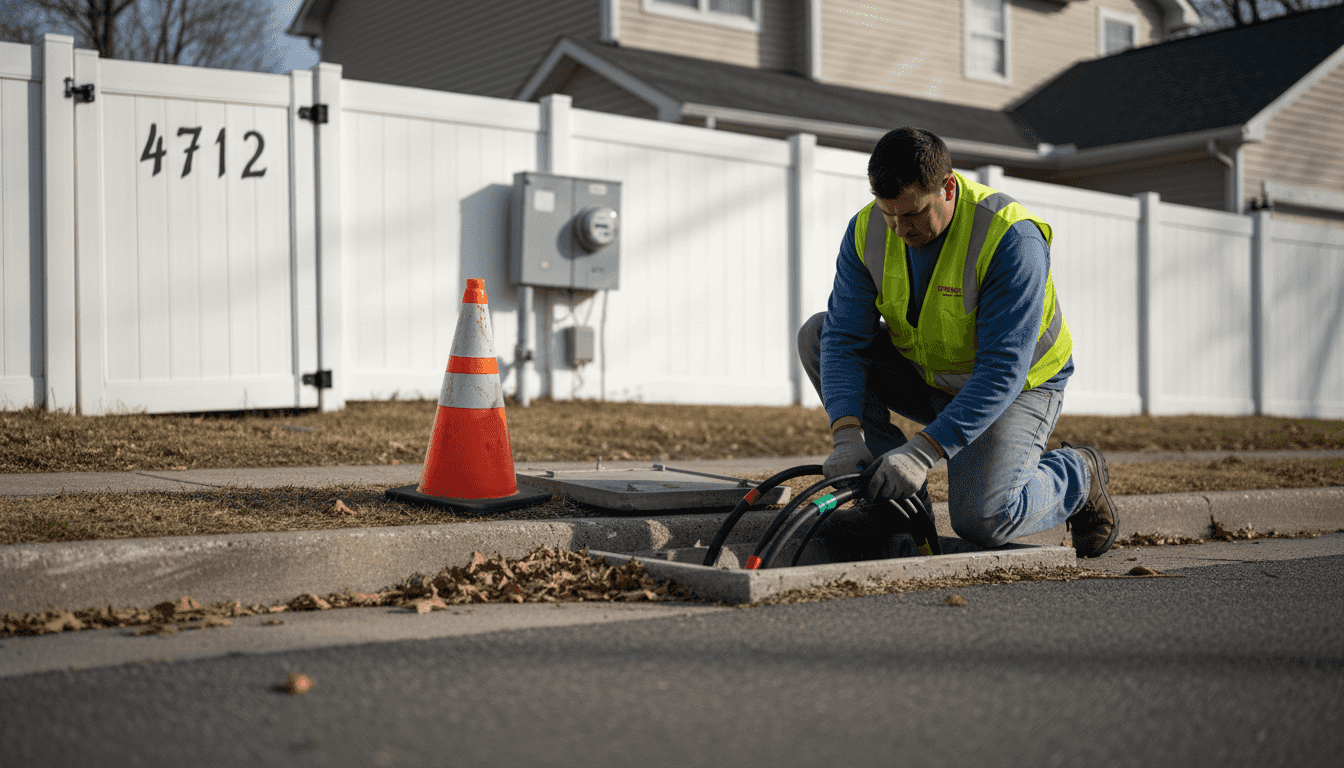
Control systems engineering regulates how electrical equipment operates. Thermostats, circuit breakers, and automated lighting systems are control systems—they monitor conditions and adjust automatically to keep your building safe.
Electronics engineering focuses on devices using low-voltage signals. Your computers, televisions, security systems, and smart home devices all rely on electronics principles to function properly.
Signal processing and telecommunications handle data transmission through wires and wireless networks. Your internet connection, phone service, and security camera feeds depend on these specialized fields.
Here are the major types that directly impact Florida properties:
- Power systems generate, distribute, and manage electricity safely through your building
- Control and automation regulate temperature, lighting, and equipment operation automatically
- Signal and data systems transmit information for communications and security
- Renewable energy systems convert solar, wind, or other sources into usable power
- Instrumentation monitors electrical parameters to detect problems early
Specialized electrical engineering branches address different phenomena and applications across industries, from power management to signal processing.
For Florida property owners, the most relevant types are power systems, renewable energy, and control systems. Florida’s heat and humidity stress electrical equipment differently than cooler climates, so understanding which branch handles your specific needs matters.
Here’s a quick comparison of major electrical engineering types relevant for Florida properties:
| Engineering Type | Typical Applications | Florida-Specific Considerations |
|---|---|---|
| Power Systems | Grid connection, panel upgrades | Heat and storms raise risk of surges |
| Control & Automation | Thermostats, lighting control | Humidity can affect sensors |
| Signal/Data Systems | Internet, security networks | Storms disrupt data transmission |
| Renewable Energy | Solar panel systems | High sun exposure maximizes output |
| Instrumentation | Power monitors, sensors | Corrosion can impact device accuracy |
Each electrical engineering type solves specific problems—knowing which applies to your situation helps you communicate better with engineers and prioritize upgrades.
When planning electrical work, whether it’s a simple outlet replacement or a major system upgrade, understanding which engineering discipline applies helps you ask the right questions. A solar installation involves power and renewable energy engineering. A backup generator requires power engineering expertise. Smart home wiring falls under both electronics and control systems.
Pro tip: Ask your engineer which electrical engineering type applies to your project—this simple question reveals their specialized knowledge and ensures they’re the right fit for your specific needs.
How Electrical Systems Work in Buildings
Your building’s electrical system is a carefully organized network that delivers power from the utility company to every outlet, light, and appliance. Understanding how this network functions helps you make smarter decisions about upgrades, maintenance, and safety.
Electricity enters your property through a service entrance, where the utility company connects power lines to your meter. This is the first control point—it measures how much electricity your building uses.
From the meter, power flows to your main electrical panel (also called a breaker box or distribution panel). This is the brain of your system, dividing incoming power into individual circuits protected by breakers.
Branch circuits radiate from the main panel like branches from a tree trunk. Each circuit powers specific areas—one might serve all kitchen outlets, another controls bedroom lighting, and so on. This division prevents a single problem from shutting down your entire building.
Electrical systems follow a predictable path:
- Utility power enters through the service entrance
- Meter measures consumption
- Main panel distributes power into branch circuits
- Breakers protect each circuit from overload
- Wiring carries power to outlets and devices
- Grounding systems provide safe return paths
Building electrical systems consist of networks from utility transformers through distribution panels to branch circuits that deliver power safely to outlets and appliances. Safety devices like circuit breakers and grounding prevent hazards by stopping dangerous current flows before they damage equipment or cause fires.
Florida’s heat and salt air create unique challenges. Corrosion attacks connections, humidity infiltrates conduit, and thermal stress accelerates component failure. Proper system design accounts for these environmental factors.
Your electrical panel is where problems are caught and prevented—understanding its role helps you grasp why upgrades and maintenance matter.
When you flip a switch, you’re closing a circuit that allows electricity to flow through a light or device, then return safely to ground. When a breaker trips, it’s doing its job—stopping dangerous overcurrent before it causes harm.
Florida residential and commercial properties often need system expansion or modernization. Adding circuits, upgrading panels, or installing solar systems all integrate into this core network. Proper electrical plans guide these modifications to ensure code compliance and safety.
Pro tip: Locate your main electrical panel and identify which circuits control which areas of your property—this knowledge becomes invaluable during emergencies, renovations, or troubleshooting electrical problems.
Licensing, Permitting, and Florida Safety Laws
Florida takes electrical engineering seriously. Every significant electrical work requires permits and must be performed by licensed professionals or under their supervision. This protects your property and ensures public safety.
The Florida Board of Professional Engineers (FBPE) regulates all engineering practice in the state. They establish licensing requirements that guarantee professionals meet education, examination, and experience standards before they can sign off on plans or direct construction.
Professional engineers in Florida must graduate from ABET-accredited programs, pass the Fundamentals of Engineering exam, complete the Principles and Practice exam, and obtain supervised work experience. This rigorous process ensures quality and protects public health and welfare.
Electrical work in Florida typically requires permits for:
- New circuits or panel upgrades
- Solar installations and renewable energy systems
- Major rewiring or service entrance changes
- Commercial electrical system modifications
- Backup generator installations
Why does this matter for you? Unpermitted electrical work creates liability issues, fails inspections, and can void insurance coverage. Permits also ensure your electrical system meets current Florida Building Code standards, which account for the state’s unique environmental challenges.
Permitting process usually involves submitting detailed plans, obtaining approval from local authorities, and scheduling inspections at key stages. Engineers guide property owners through design and permitting requirements to ensure compliance and faster approvals.
Below is a summary of the permitting process and why each stage matters:
| Permit Stage | What Happens | Why It Matters |
|---|---|---|
| Planning | Drafting and submitting plans | Ensures code-compliant design |
| Approval | Review by local authorities | Verifies legal and safety standards |
| Inspection | On-site system checks | Catches issues before completion |
| Final Sign-Off | Approval for operation | Confirms compliance and insurance validity |
Florida Statute Chapter 471 establishes strict standards for engineer licensing and conduct. The FBPE enforces compliance through disciplinary actions when professionals violate laws, rules, codes, or ordinances.
Licensed engineers sign their work under seal, accepting legal responsibility for safety and code compliance—this accountability protects you.
Commercial projects face stricter requirements than residential work. Larger buildings need sophisticated electrical design, comprehensive documentation, and multiple inspection points. These safeguards prevent costly failures and ensure safe operation for occupants.
Your responsibility starts with hiring licensed professionals. Ask for credentials, verify FBPE licensing online, and ensure permits are obtained before work begins. Never hire someone offering to skip permitting—it creates problems you’ll pay for later.
Pro tip: Request your contractor’s FBPE license number and verify it on the official Florida Board of Professional Engineers website before signing any contracts—this simple step confirms they’re qualified to perform electrical work in Florida.
Common Risks and Compliance Mistakes to Avoid
One electrical mistake can cost thousands in repairs, fines, or worse. Florida property owners face unique challenges due to climate, humidity, and aging infrastructure. Knowing what to avoid protects your investment and keeps occupants safe.
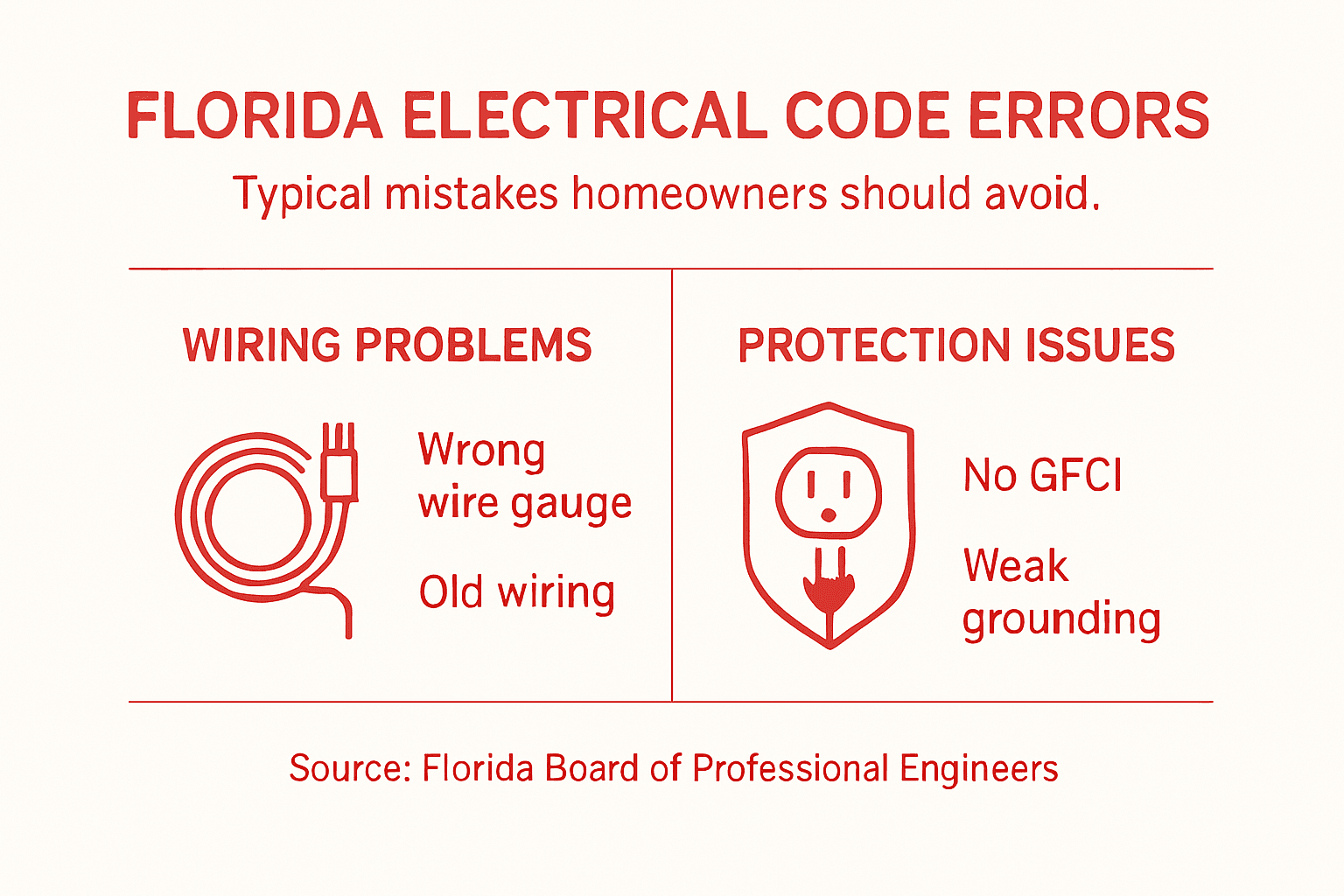
The most dangerous mistakes are often invisible until something fails. Improper grounding and bonding prevents electricity from finding safe return paths, creating shock hazards. Missing GFCI protection in bathrooms and kitchens leaves wet areas vulnerable to electrocution.
Overcrowded electrical panels force circuits to work harder than designed. They generate heat, overheat components, and increase fire risk. Florida’s heat accelerates this degradation significantly.
Here are the violations Florida inspectors catch most frequently:
- Unlicensed DIY wiring performed without permits
- Inadequate wire sizing for environmental conditions and load requirements
- Extension cords used as permanent wiring solutions
- Overloaded circuits handling more amperage than safe
- Outdated wiring systems unable to meet current code standards
- Missing or malfunctioning GFCI outlets in wet locations
Common electrical code violations in Florida include improper grounding, inadequate protection devices, and using incorrect wire types for harsh environmental conditions. These mistakes increase fire risk and create liability exposure.
Florida’s salt air, heat, and humidity corrode connections faster than in other states. Standard electrical work designed for temperate climates fails here. You need systems engineered specifically for Florida conditions.
Unpermitted work creates cascading problems. Inspectors catch it during property sales, refinancing, or insurance claims. Your policy may deny coverage for non-compliant electrical systems.
One unpermitted circuit can void your entire insurance policy—this single mistake costs far more than doing it right the first time.
Outdated wiring in older Florida homes compounds these risks. Knob-and-tube and aluminum wiring create hazards modern code prohibits. Upgrading prevents fire risk and meets current safety standards.
Engaging licensed professionals and scheduling routine inspections identify problems before they become dangerous. Engineers understand Florida Building Code requirements designed specifically for this environment.
DIY attempts to save money backfire consistently. Licensed electricians know code, understand Florida’s environment, and carry liability insurance. They protect you legally and practically.
Pro tip: Before hiring any electrical contractor, ask if they’ve handled projects in Florida’s humid, salt-air environment and request references from recent projects—experience with Florida-specific challenges matters more than general electrical knowledge.
Protect Your Florida Property with Expert Electrical Engineering Services
Florida property owners face unique electrical challenges from heat, humidity, and salt air that demand precise engineering solutions. From understanding voltage, current, and grounding to ensuring your systems meet strict state licensing and permitting standards, you need trusted professionals who bring clarity and compliance to every electrical project. Whether you are upgrading panels, installing renewable energy, or navigating complex permitting, avoiding costly mistakes and risks starts with experienced guidance.

Explore our comprehensive Engineering and Inspection Archives – Florida Licensed Engineers to learn how our licensed engineers provide detailed inspections, blueprints, and permitting expediter services tailored for Florida’s environment. Don’t let unpermitted electrical work or outdated systems put your safety and investment at risk. Visit Florida Licensed Engineers now and ensure your next electrical project is designed, approved, and executed with expert care. Take control of your property’s electrical future today.
Frequently Asked Questions
What are the core concepts of electrical engineering that Florida property owners should understand?
The core concepts include voltage, current, resistance, power, circuit theory, and electromagnetics. Understanding these principles is essential for maintaining a safe and functional electrical system in your property.
Why is it important to hire licensed professionals for electrical work in Florida?
Hiring licensed professionals ensures compliance with Florida’s electrical codes and safety standards. They have the training and experience necessary to perform safe installations and mitigate risks associated with DIY electrical work.
What common electrical code violations should Florida property owners be aware of?
Common violations include missing GFCI protection in wet areas, inadequate wire sizing, overloaded circuits, and using extension cords as permanent wiring solutions. Understanding these can help avoid costly repairs and safety hazards.
How does Florida’s climate affect electrical systems?
Florida’s humid climate and salt air can accelerate corrosion, increase moisture infiltration, and stress electrical equipment. It’s important to have systems designed specifically for these environmental conditions to ensure safety and reliability.
Recommended
- Electrical Plans Definition: Ensuring Building Safety – Florida Licensed Engineers
- Electrical Plans Process for Florida Construction Success – Florida Licensed Engineers
- 7 Essential Homeowner Engineering Tips for Florida Homes – Florida Licensed Engineers
- 7 Essential Homeowner Engineering Tips for Florida Homes – Florida Licensed Engineers
