
HVAC Design Essentials: 40% Energy Savings for Florida
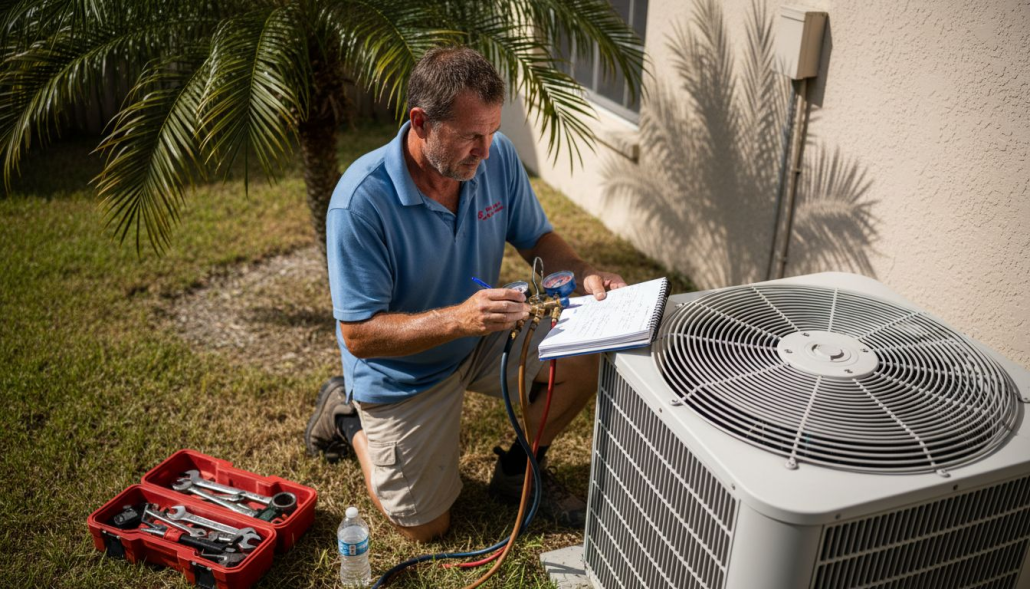
Many believe bigger HVAC units guarantee better comfort, but oversizing can increase energy consumption by up to 20% and shorten equipment lifespan. Proper HVAC design balances comfort, energy efficiency, and indoor air quality. This guide explains fundamentals including load calculations, Florida climate considerations, refrigerant regulations, and energy codes to help you make informed decisions for your home or business.
Table of Contents
- Introduction to HVAC Design
- Fundamental Principles of HVAC Design
- Load Calculations and Equipment Sizing
- Climate-Specific HVAC Design Considerations for Florida
- Emerging Refrigerant Regulations and Their Impact on HVAC Design
- Energy Efficiency, Codes, and Incentives
- Common Misconceptions and Design Pitfalls
- Practical Steps for Engaging Professional HVAC Designers
- Get Expert HVAC Design and Engineering Services in Florida
- Frequently Asked Questions
Key Takeaways
| Point | Details |
|---|---|
| Accurate load calculations | Manual J prevents oversizing waste and ensures proper equipment sizing. |
| Florida climate demands | Hot, humid conditions require designs focusing on dehumidification and ventilation. |
| New refrigerant rules | EPA regulations effective 2025 mandate lower GWP refrigerants with safety design changes. |
| Energy savings potential | High-performance HVAC designs can reduce energy use by up to 40%. |
| Professional collaboration | Licensed HVAC engineers ensure compliant, efficient system designs tailored to Florida codes. |
Introduction to HVAC Design
HVAC design encompasses heating, ventilation, air conditioning, and control systems that work together to create comfortable indoor environments. The purpose extends beyond temperature control to maintaining indoor air quality, managing humidity, and maximizing energy efficiency. ASHRAE standards establish design foundations balancing occupant comfort with energy performance.
Effective HVAC design integrates multiple system components customized to building requirements. Engineers analyze thermal loads, airflow patterns, equipment specifications, and control strategies. Each component affects overall system performance and operational costs.
Floridians face unique challenges given the state’s climate extremes and specific building codes. Understanding mechanical design for Florida projects helps property owners recognize what separates adequate systems from optimal solutions.
Engineering standards provide the framework for compliant, efficient designs. Following established protocols ensures systems meet performance expectations while avoiding costly mistakes. These standards cover everything from equipment selection to duct sizing and ventilation rates.
Key HVAC design components include:
- Load calculation determining heating and cooling capacity requirements
- Equipment selection matching capacity to building needs
- Distribution system design ensuring proper airflow throughout spaces
- Control strategies optimizing comfort and energy use
- Ventilation systems maintaining fresh air supply and indoor air quality
Property owners who grasp these fundamentals can better evaluate proposals and ask informed questions. Reviewing homeowner engineering tips for Florida homes provides additional context for residential applications. Professional ASHRAE HVAC design standards guide engineers through technical requirements.
Fundamental Principles of HVAC Design
Thermal comfort depends on temperature, humidity, air movement, and occupant activity levels. Engineers balance these factors to create conditions most people find comfortable. A 72°F space with 70% humidity feels drastically different from the same temperature at 45% humidity.
ASHRAE Standard 62.1 specifies ventilation requirements for maintaining indoor air quality in commercial buildings. These standards calculate outdoor air volumes needed to dilute pollutants and provide fresh air. Residential spaces follow similar principles adapted to home occupancy patterns.
Energy efficiency targets drive equipment selection and system design. SEER ratings measure cooling efficiency while EER evaluates performance at specific conditions. Higher ratings mean lower operating costs but typically higher upfront investment. The payback period depends on usage patterns and local electricity rates.
Air quality impacts occupant health, productivity, and comfort. Poor ventilation allows contaminants to accumulate, potentially causing health issues. Proper filtration removes particles while adequate outdoor air dilution controls odors and carbon dioxide levels.
Integrating controls balances comfort with energy savings. Programmable thermostats, occupancy sensors, and demand-controlled ventilation adjust system operation based on actual needs. Smart controls can reduce energy use without sacrificing comfort.
Critical design principles include:
- Temperature and humidity control within acceptable ranges
- Adequate ventilation meeting ASHRAE outdoor air requirements
- Filtration removing airborne particles and allergens
- Energy-efficient equipment and operation strategies
- Zoning allowing independent control of different building areas
Understanding mechanical design principles helps identify quality designs. Effective building systems coordination ensures HVAC integrates properly with structural, electrical, and plumbing systems. Reference ASHRAE ventilation and air quality standards for detailed technical requirements.
Pro Tip: Request psychrometric analysis for Florida projects to verify dehumidification capacity matches your climate needs, not just cooling capacity.
Load Calculations and Equipment Sizing
Accurate sizing begins with Manual J load calculation determining total heat gains and losses. This calculation accounts for insulation levels, window areas, orientation, occupancy, and climate data. Manual J provides the foundation for all subsequent sizing decisions.
The three-step sizing process ensures optimal performance:
- Complete Manual J calculation to determine heating and cooling loads for each room and the entire building.
- Design ductwork using Manual D to ensure proper airflow, velocity, and static pressure throughout the distribution system.
- Select equipment with Manual S matching capacity to calculated loads, avoiding both oversizing and undersizing.
Proper sizing prevents energy waste from oversizing and discomfort from undersizing. Oversized units cycle on and off frequently, failing to remove humidity adequately. Undersized systems run constantly, struggling to maintain setpoints during peak conditions.
| Manual | Purpose | Key Output |
|---|---|---|
| J | Load calculation | Required heating/cooling capacity in BTU/hr |
| D | Duct design | Duct sizes, airflow rates, static pressure |
| S | Equipment selection | Appropriate equipment model and size |
Engineers use specialized software incorporating local climate data and building characteristics. Inputs include wall and ceiling insulation R-values, window U-factors and solar heat gain coefficients, infiltration rates, and internal heat gains from occupants and equipment.
Understanding Manual J load calculations helps property owners evaluate whether their designer followed proper procedures. Quality equipment sizing and duct design documentation demonstrates thoroughness. Consult Manual J, D, and S design standards for technical details.
Pro Tip: Ask your engineer for room-by-room load calculations, not just whole-house totals, to ensure proper airflow distribution to each space.
Climate-Specific HVAC Design Considerations for Florida
Florida’s hot and humid climate requires enhanced humidity control and ventilation strategies beyond standard approaches. Outdoor conditions regularly exceed 90°F with 70% humidity, creating extreme cooling loads and moisture infiltration challenges. Systems must remove moisture while maintaining comfortable temperatures.
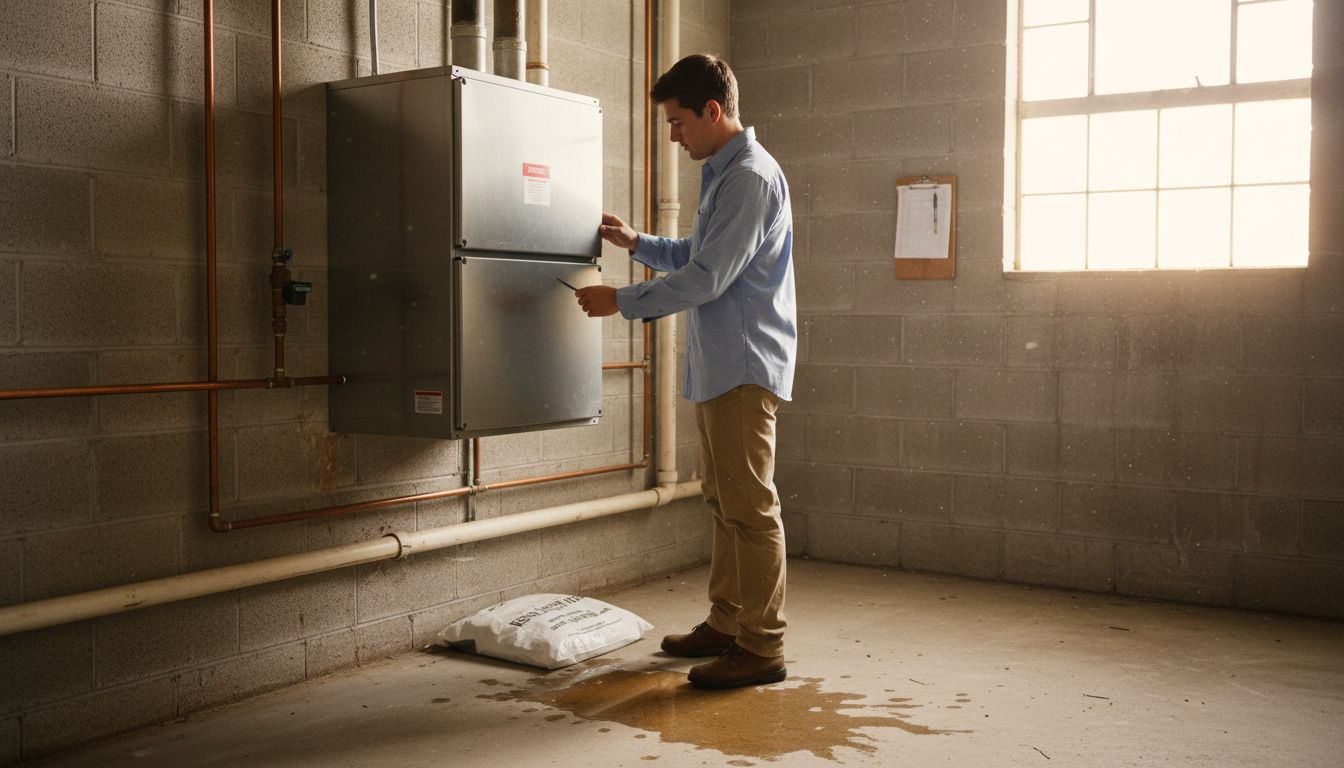
Humidity control prevents mold growth, material damage, and occupant discomfort. Florida HVAC systems need adequate dehumidification capacity, often requiring dedicated dehumidification equipment or enhanced coil performance. Undersized systems or oversized cooling capacity can create humidity problems.
Ventilation adjustments address high outdoor humidity. Energy recovery ventilators precondition incoming outdoor air, reducing the moisture load on cooling systems. Proper ventilation maintains air quality without excessive humidity introduction.
Florida Building Energy Code establishes minimum efficiency requirements and design standards. Compliance ensures systems meet state performance expectations. Flood mitigation considerations affect equipment placement in coastal and low-lying areas.
Moisture barriers and vapor retarders prevent condensation within building assemblies. Florida’s climate creates vapor drive from outside to conditioned spaces, opposite many northern climates. Proper barrier placement and duct sealing prevent moisture problems.
Florida-specific design elements include:
- Enhanced dehumidification capacity beyond basic cooling requirements
- Properly sized and sealed duct systems preventing air leakage
- Equipment elevated above flood zones in vulnerable areas
- Outdoor air treatment reducing moisture introduced through ventilation
- Control strategies preventing excessive indoor humidity during mild weather
Exploring energy efficiency in Florida HVAC design reveals strategies for managing climate challenges efficiently. Understanding Florida permitting and building codes ensures compliance. Review the Florida climate HVAC design guide for comprehensive technical guidance.
Emerging Refrigerant Regulations and Their Impact on HVAC Design
EPA’s 2025 refrigerant phase-down mandates systems use refrigerants with GWP of 700 or less, like R-454B and R-32. The Technology Transitions Rule establishes deadlines for phasing out higher GWP refrigerants in new equipment. This affects equipment availability and design requirements.
A2L refrigerants offer lower global warming potential but present mild flammability characteristics. This classification requires new safety measures in system design, installation, and operation. Engineers must account for refrigerant detection, ventilation, and ignition source management.
Refrigerant leak monitoring becomes essential with A2L refrigerants. Detection systems alert occupants to leaks before concentrations reach concerning levels. Properly designed ventilation dilutes any leaked refrigerant, maintaining safe conditions.
Equipment selection changes reflect refrigerant properties and safety requirements. Manufacturers redesign components to accommodate new refrigerants while meeting safety standards. Installation practices evolve to address flammability concerns and ensure proper system charging.
Future-proofing HVAC investments means choosing systems compatible with new refrigerants. Equipment designed for A2L refrigerants will remain compliant as regulations tighten. Avoiding soon-to-be-phased-out refrigerants prevents premature replacement needs.
Key refrigerant regulation impacts include:
- Mandatory use of low-GWP refrigerants in new residential and commercial systems
- Enhanced safety requirements for A2L refrigerant installations
- Refrigerant leak detection and alarm systems in certain applications
- Modified installation and servicing procedures addressing flammability
- Equipment compatibility considerations for long-term refrigerant availability
Staying current on HVAC refrigerant compliance helps avoid obsolete equipment purchases. Review EPA refrigerant regulations 2025 for detailed regulatory timelines and requirements.
Energy Efficiency, Codes, and Incentives
Well-designed high-performance HVAC systems can reduce energy use by 10% to 40%, with whole-building approaches achieving up to 70% savings. Proper equipment sizing, efficient components, and smart controls combine to minimize operational costs. The investment in quality design pays back through lower utility bills.
Federal and Florida state incentives in 2026 help offset upgrade costs. Tax credits apply to qualifying high-efficiency equipment installations. Utility rebates reward efficiency improvements exceeding minimum standards. These programs make energy-efficient systems more financially accessible.
Florida energy codes establish minimum SEER ratings and performance standards. New construction must meet these baselines, but exceeding minimums provides greater savings. Understanding code requirements helps property owners evaluate whether designs merely meet minimums or pursue optimal efficiency.
Long-term operational cost reductions justify upfront investments in efficiency. A system using 30% less energy generates substantial savings over its 15-20 year lifespan. Lower operating costs also increase property value and reduce environmental impact.
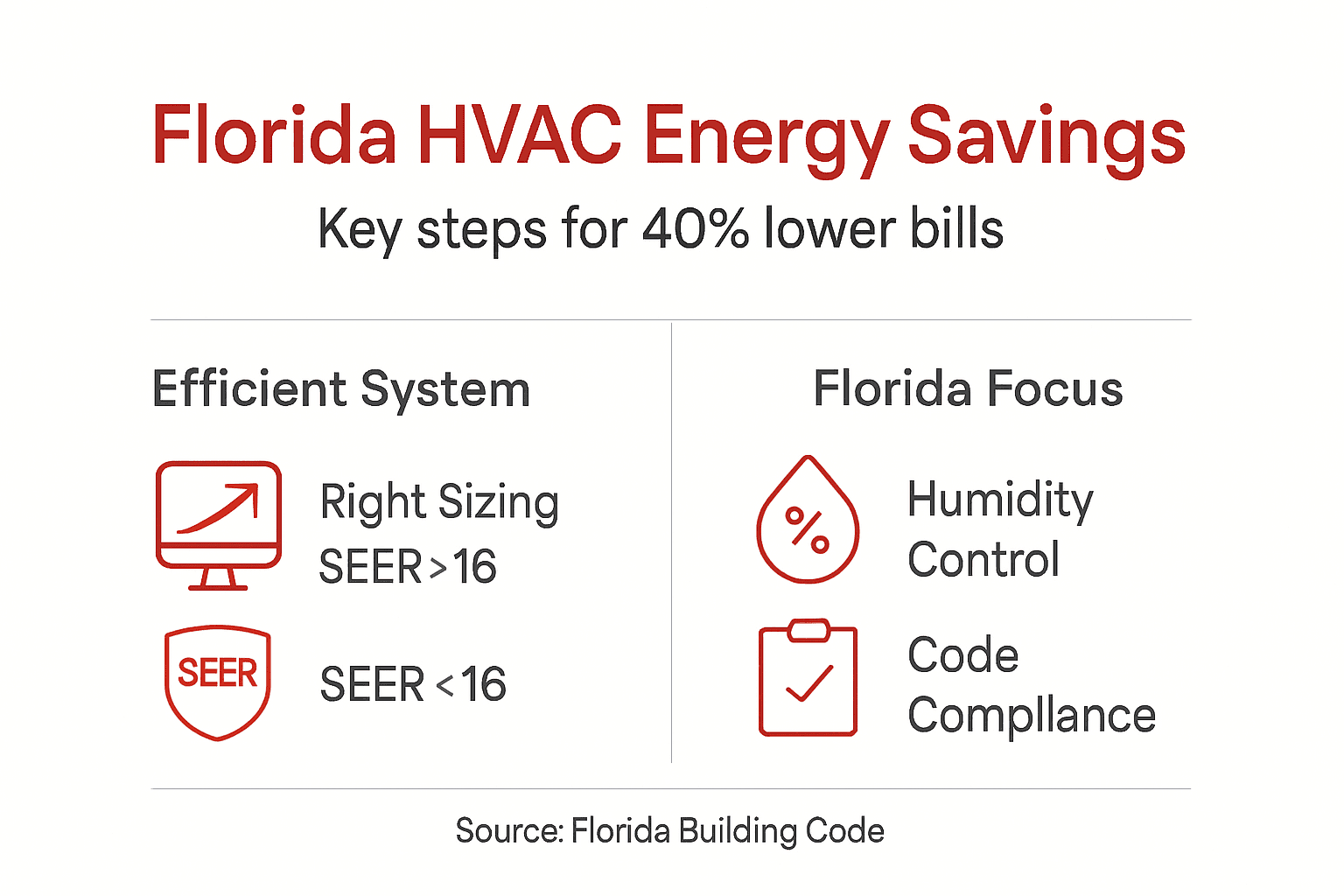
Integrated design maximizes energy efficiency across building systems. Improved insulation reduces HVAC loads. Proper window selection minimizes solar heat gain. Air sealing decreases infiltration. These measures work together, allowing smaller, more efficient HVAC systems.
Energy efficiency opportunities include:
- High-SEER cooling equipment reducing electricity consumption
- Variable-speed compressors and blowers matching output to load
- Smart thermostats and controls optimizing operation schedules
- Duct sealing and insulation preventing energy losses
- Building envelope improvements reducing heating and cooling loads
Investigating energy efficiency improvements reveals additional strategies. Explore 2026 HVAC rebates and tax incentives to identify available financial assistance. Reference high-performance HVAC energy savings data for performance expectations.
Common Misconceptions and Design Pitfalls
Oversizing HVAC systems can increase energy consumption by 20% and reduce equipment lifespan. Bigger units do not provide better comfort. They cycle frequently, failing to remove humidity and wasting energy. Proper sizing based on Manual J calculations ensures optimal performance.
Ventilation remains necessary even with cooling systems. Air conditioning recirculates indoor air but does not provide fresh outdoor air. Inadequate ventilation allows pollutants, odors, and carbon dioxide to accumulate. Meeting ASHRAE ventilation standards maintains healthy indoor environments.
Refrigerant choice significantly impacts design and safety. Low-GWP refrigerants require specific equipment, safety measures, and installation practices. Ignoring refrigerant properties during design creates compliance issues and potential safety hazards. Engineers must account for refrigerant characteristics throughout the design process.
Common design pitfalls compromise system performance:
- Skipping Manual J calculations and guessing equipment size based on square footage
- Ignoring ventilation requirements to reduce first costs
- Neglecting refrigerant safety requirements for A2L refrigerants
- Failing to seal and insulate ductwork properly
- Overlooking Florida’s humidity control needs in system selection
Avoiding these mistakes requires engaging licensed professionals who follow recognized standards. Shortcuts during design create long-term problems costing far more than proper initial design. Quality engineering prevents expensive corrections and performance issues.
Learning about correct HVAC sizing helps identify when designs deviate from best practices. Consulting HVAC sizing standards provides technical benchmarks for evaluation.
Pro Tip: If a contractor suggests equipment size based only on square footage without performing load calculations, seek a second opinion from a licensed engineer.
Practical Steps for Engaging Professional HVAC Designers
Securing expert HVAC design requires systematic collaboration with qualified professionals. Following these steps ensures comprehensive, compliant designs:
- Gather detailed building data including floor plans, insulation specifications, window schedules, and occupancy information for accurate load calculations.
- Hire licensed HVAC engineers experienced with Florida codes, climate requirements, and local permitting processes.
- Request complete design deliverables including blueprints, equipment specifications, load calculations, and duct layouts.
- Verify designs integrate current refrigerant regulations, ventilation standards, and energy code compliance.
- Confirm your engineer manages permitting applications and coordinates with building officials throughout approval processes.
Providing comprehensive building information enables accurate analysis. Incomplete data leads to assumptions that may not reflect actual conditions. Detailed inputs produce reliable load calculations and appropriate equipment selections.
Licensed engineers bring expertise in Florida-specific requirements. They understand local climate challenges, building codes, and permitting procedures. This knowledge prevents compliance issues and design deficiencies.
Complete documentation supports permitting, installation, and future maintenance. Clear specifications prevent misunderstandings during construction. Detailed plans enable accurate contractor bidding and quality installation verification.
Integrating all regulatory requirements ensures long-term compliance. Designs must address refrigerant rules, energy codes, and ventilation standards simultaneously. Overlooking any requirement creates problems during permitting or operation.
Permitting expertise streamlines approvals. Experienced engineers know what building officials expect and prepare submittals accordingly. This knowledge reduces review cycles and prevents delays.
Exploring licensed HVAC engineering services reveals available professional support. Understanding HVAC design permitting in Florida clarifies approval processes.
Get Expert HVAC Design and Engineering Services in Florida
Now that you understand HVAC design fundamentals, partner with professionals who deliver compliant, efficient solutions tailored to Florida’s unique environment. Our team provides comprehensive engineering services including precise load calculations, equipment sizing, and code compliance verification for residential and commercial projects.

We bring deep expertise in local permitting processes, ensuring smooth project approvals without delays. Our licensed Florida engineers optimize comfort and energy savings while navigating complex refrigerant regulations and climate-specific design requirements. Whether you need mechanical plans for new construction or system upgrades for existing buildings, we deliver detailed engineering support from concept through permitting.
Access our complete engineering services guide to explore how we support Florida projects. Discover our full range of licensed engineering services in Florida including structural, electrical, plumbing, and civil engineering. Learn about our approach to Florida HVAC system design and permitting that ensures your project succeeds.
Frequently Asked Questions
What is Manual J and why is it essential for my Florida home HVAC design?
Manual J calculates your home’s exact heating and cooling loads by analyzing insulation, windows, orientation, and local climate data. This calculation prevents oversizing that wastes energy and undersizing that fails to maintain comfort during Florida’s extreme heat and humidity.
How does Florida’s humid climate affect my HVAC system’s ventilation needs?
Florida’s high outdoor humidity requires ventilation systems that treat incoming air to remove moisture before it enters your home. Energy recovery ventilators precondition outdoor air, maintaining indoor air quality without overwhelming your cooling system with excess humidity.
What types of refrigerants are allowed under the 2026 EPA regulations?
EPA regulations mandate refrigerants with global warming potential of 700 or less, such as R-454B and R-32. These A2L refrigerants require specific safety measures including leak detection and enhanced ventilation due to mild flammability characteristics.
Can an oversized HVAC system increase my energy bills in Florida?
Yes, oversized systems cycle on and off frequently, consuming more energy and failing to remove humidity effectively. This creates uncomfortable conditions and can increase energy costs by 20% compared to properly sized equipment.
How do I find a licensed HVAC engineer experienced with Florida codes?
Seek engineers with active Florida PE licenses who demonstrate knowledge of local building codes, climate requirements, and permitting processes. Request references from similar Florida projects and verify their experience with current refrigerant regulations and energy codes.
Recommended
- Energy Efficiency in Engineering: Florida Project Impact – Florida Licensed Engineers
- Sustainable Engineering: Florida Impact on Energy, Safety – Florida Licensed Engineers
- Why Mechanical Design Matters for Florida Projects – Florida Licensed Engineers
- 7 Smart Energy-Efficient Home Improvements for Homeowners – Astrotech Construction

