
Structural Inspections: Everything You Need to Know

More than 80 percent of major building failures are linked to overlooked structural issues during routine assessments. Keeping a property safe and valuable depends on more than just regular maintenance. Structural inspections help reveal hidden problems before they become emergencies, offering peace of mind and real savings. Understanding how these inspections work and why they matter can make all the difference in protecting your investment from sudden surprises.
Table of Contents
- Defining Structural Inspections And Their Purpose
- Key Types Of Structural Inspections Explained
- How Structural Inspections Are Conducted
- Legal Requirements And Industry Standards
- Risks Of Skipping Structural Inspections
- Costs And Financial Impacts Revealed
Key Takeaways
| Point | Details |
|---|---|
| Importance of Structural Inspections | Comprehensive inspections are essential for evaluating building safety, stability, and compliance with regulations, preventing costly repairs and protecting property value. |
| Types of Inspections | Various inspections such as pre-construction, periodic, and post-disaster are tailored to different stages and needs, ensuring ongoing structural health and safety. |
| Risks of Neglect | Skipping inspections can lead to catastrophic structural failures, safety hazards, and significant financial losses, making regular assessments critical. |
| Cost-Effectiveness | Proactive inspections may incur initial costs, but they minimize potential repair expenses and enhance property value over time. |
Defining Structural Inspections and Their Purpose
A structural inspection is a comprehensive professional assessment designed to evaluate the overall condition, safety, and stability of a building or infrastructure. According to elion.co.in, this process involves meticulously examining a building’s structural integrity and identifying potential defects or hazards that might compromise its stability.
The primary purpose of a structural inspection goes far beyond a simple visual check. Engineers and specialized inspectors thoroughly analyze critical components such as foundations, load-bearing walls, beams, columns, and other structural elements to ensure they can safely support the building’s weight and withstand environmental stresses. These inspections are crucial for preventing potential accidents, mitigating structural risks, and extending the property’s lifespan.
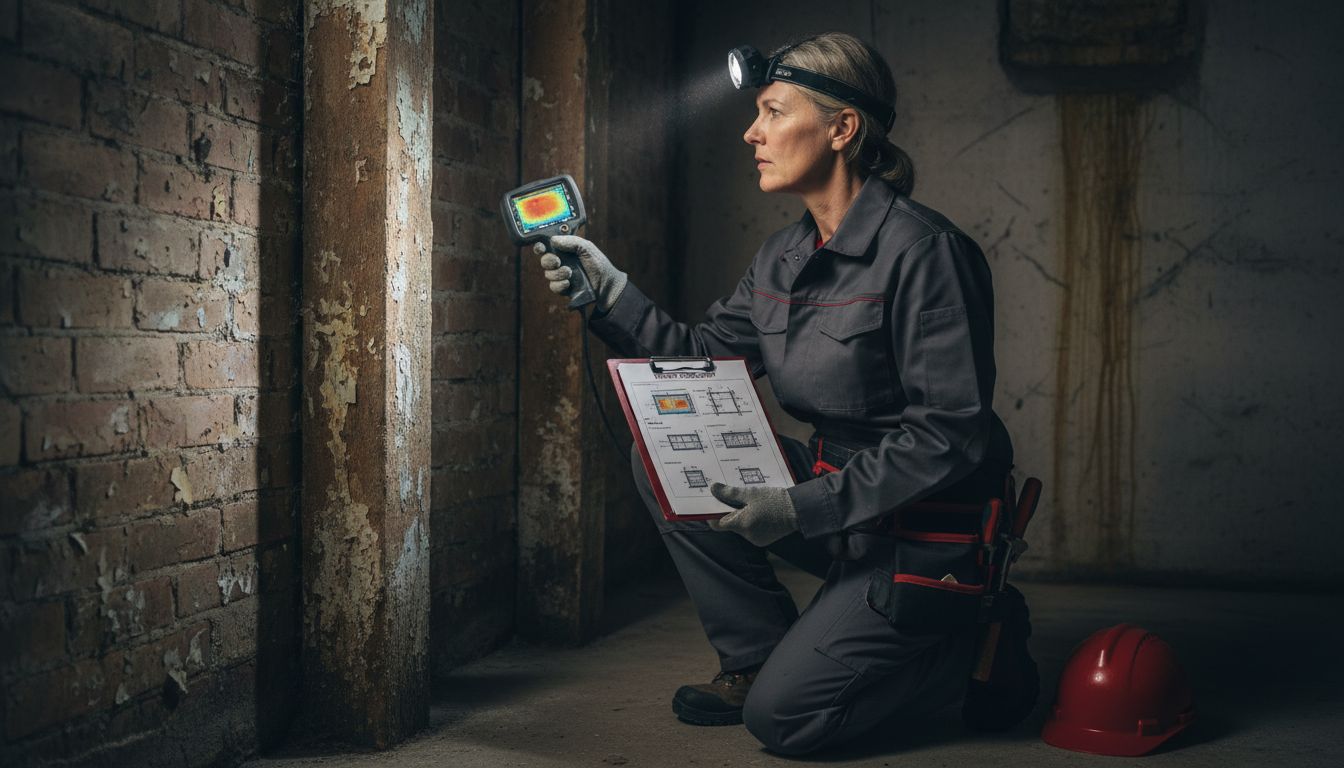
Structural inspections serve multiple critical objectives for property owners and managers:
- Early Detection: Identify potential structural weaknesses before they become major problems
- Safety Assurance: Confirm the building meets current safety standards and building codes
- Preventative Maintenance: Provide actionable insights for timely repairs and interventions
- Financial Protection: Help avoid costly emergency repairs by catching issues early
Professional structural inspections typically involve a systematic approach that includes visual assessments, non-destructive testing, comprehensive documentation, and detailed reporting. Structural Inspection Guide: Ensure Safe Buildings Easily provides deeper insights into this comprehensive evaluation process that helps property owners maintain safe, reliable structures.
Key Types of Structural Inspections Explained
Structural inspections are not a one-size-fits-all process. Different types of inspections serve specific purposes and are conducted at various stages of a building’s lifecycle. Pre-construction site inspections are a critical first step in ensuring project safety and compliance. According to digiclip.io, these inspections are conducted before building begins to ensure site readiness and identify potential hazards that could impact the construction process.
As buildings age and undergo various environmental stresses, periodic inspections become increasingly important. Propertyguru.com highlights that these regular evaluations help identify maintenance needs and ensure ongoing compliance with safety standards, ultimately preventing potential structural failures.
The primary types of structural inspections include:
- Pre-Construction Inspections: Assess site conditions, soil stability, and potential construction challenges
- Periodic Structural Inspections: Regular evaluations of existing buildings to monitor structural health
- Post-Disaster Inspections: Comprehensive assessments following natural disasters or significant structural events
- Routine Maintenance Inspections: Scheduled checks to identify and address minor issues before they escalate
- Forensic Structural Inspections: In-depth investigations to determine the cause of structural problems or failures
Each type of inspection serves a unique purpose, providing property owners and managers with critical insights into their building’s structural integrity. For a comprehensive understanding of the different engineering inspection types, check out our guide on essential engineering inspections that can help you protect your property effectively.
How Structural Inspections Are Conducted
Structural inspections are systematic processes that require professional expertise and specialized techniques to thoroughly evaluate a building’s condition. According to elion.co.in, the structural audit process involves comprehensive methods including visual inspections, non-destructive testing, and detailed analysis of structural components to identify potential defects and recommend necessary repairs.
The inspection typically begins with a comprehensive visual examination of the entire structure. Professional engineers carefully assess external and internal components, looking for signs of structural stress, damage, or potential weaknesses. This includes examining foundations, walls, beams, columns, roof structures, and critical connection points. Advanced tools like thermal imaging cameras, moisture meters, and laser measurement devices help inspectors detect hidden issues that might not be visible to the naked eye.
Key steps in a typical structural inspection include:
- Initial Documentation: Gathering building plans, construction history, and previous inspection records
- Visual Assessment: Comprehensive physical examination of all structural elements
- Non-Destructive Testing: Using specialized equipment to evaluate structural integrity without causing damage
- Material Analysis: Checking the condition and strength of construction materials
- Detailed Reporting: Documenting findings, potential risks, and recommended interventions
For property owners seeking a deeper understanding of the inspection process, our structural inspection guide provides comprehensive insights into ensuring your building remains safe and structurally sound. Professional inspections are not just about identifying problems – they’re about proactively protecting your most valuable asset.
Legal Requirements and Industry Standards
Structural inspections are governed by a complex framework of legal requirements and industry standards designed to ensure public safety and structural integrity. According to Legarev, certified inspectors play a critical role in documenting findings that confirm buildings meet essential legal safety requirements, with official certification often serving as a prerequisite for obtaining occupancy permits.
The landscape of structural inspection regulations is not without challenges. Lawlibrarianship highlights that enforcement of site inspection regulations faces significant obstacles, including inconsistencies in standard adherence, legal ambiguities, and resource constraints. These complexities can impact the overall effectiveness of compliance within the construction and engineering sectors.
Key legal and regulatory considerations for structural inspections include:
- Building Code Compliance: Adherence to local, state, and national building safety regulations
- Professional Certification: Requirements for inspector qualifications and licensing
- Documentation Standards: Precise reporting and record-keeping protocols
- Safety Threshold Requirements: Specific structural performance and integrity benchmarks
- Periodic Re-Inspection Mandates: Legal requirements for ongoing structural assessments
For property owners and developers navigating these complex regulatory landscapes, understanding the nuances of residential engineering requirements becomes crucial. Professional guidance can help ensure that your structural inspections meet all necessary legal standards and protect your investment.
Risks of Skipping Structural Inspections
Skipping structural inspections is a high-stakes gamble that can lead to catastrophic consequences for property owners. According to Innovateestate, infrequent or missed building inspections can result in unnoticed structural issues, creating significant safety hazards and potential code violations that may ultimately lead to accidents, structural failures, and substantial financial and legal repercussions.
The hidden dangers of neglecting structural inspections extend far beyond immediate visible damage. Structural problems often develop gradually, with small issues progressively weakening a building’s fundamental integrity. What might seem like a minor crack or slight foundation settlement can rapidly evolve into major structural compromise, potentially threatening the entire building’s stability and the safety of its occupants.
Specific risks associated with skipping structural inspections include:
- Structural Failure: Increased potential for catastrophic building collapse
- Safety Hazards: Undetected weaknesses that could endanger human life
- Financial Losses: Exponentially higher repair costs when issues become critical
- Legal Liability: Potential lawsuits and regulatory penalties
- Insurance Complications: Possible denial of claims due to lack of maintenance
To truly understand the comprehensive implications of structural assessments, property owners can explore our guide on understanding structural assessments, which provides deeper insights into protecting your most valuable asset from preventable risks.
Costs and Financial Impacts Revealed
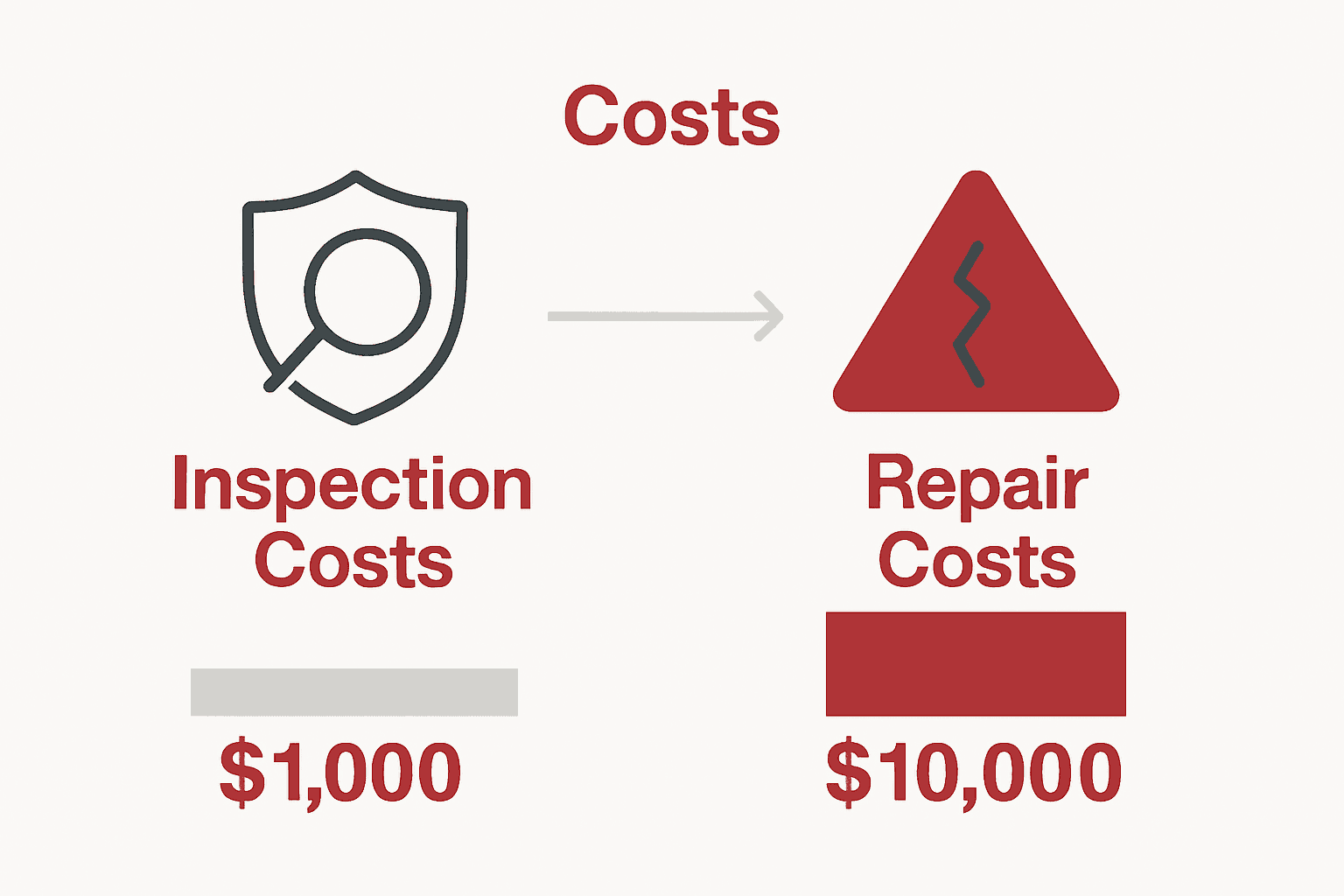
Structural inspections are a critical investment in protecting your property’s long-term value and safety. According to Digiclip, pre-construction inspections range from $600 to $1,200 for residential projects and can escalate to $2,000-$10,000 for commercial developments. While these costs might seem significant upfront, they represent a fraction of the potential expenses associated with undetected structural issues.
The financial landscape of structural assessments reveals that proactive inspection is far more economical than reactive repair. Unaddressed structural problems can lead to exponential repair costs, with minor issues potentially transforming into major structural failures that require comprehensive and expensive interventions. These unexpected repairs can dramatically exceed the initial inspection costs, potentially threatening the entire financial stability of a property investment.
Key financial considerations for structural inspections include:
- Preventative Cost Savings: Identifying and addressing issues before they escalate
- Insurance Premium Management: Potential reductions in insurance costs through documented maintenance
- Property Value Preservation: Maintaining structural integrity increases long-term property value
- Legal Liability Mitigation: Reducing potential lawsuit and penalty risks
- Repair Cost Minimization: Early detection prevents extensive and expensive structural repairs
For property owners seeking deeper insights into managing their structural assessment investments, our guide on understanding engineering inspections offers comprehensive strategies for protecting your most valuable assets while optimizing financial resources.
Protect Your Property With Expert Structural Inspections
Understanding the critical importance of structural inspections means recognizing the risks of overlooking safety and stability issues. This article highlights common challenges like hidden defects, costly repairs, and legal liabilities. If you want peace of mind and to protect your investment through expert evaluation of your building’s foundations, beams, and key components, look no further. Our team offers comprehensive services tailored to both residential and commercial projects.

Take control of your building’s safety today by partnering with trusted professionals. Explore our full range of engineering services, including inspections, forensic investigations, and permitting support at Florida Licensed Engineers. Learn how our expertise can help you comply with legal requirements and avoid expensive repairs by visiting Uncategorized Archives – Texas Structural Inspectors and Uncategorized Archives – Georgial Licensed Engineers. Don’t wait until small problems become threats. Contact us now and safeguard your property with confidence.
Frequently Asked Questions
What is a structural inspection?
A structural inspection is a comprehensive assessment of a building’s overall condition, safety, and stability, focusing on critical components like foundations, load-bearing walls, and beams to identify potential hazards and defects.
Why are structural inspections important?
Structural inspections are essential for early detection of weaknesses, ensuring safety compliance, providing preventative maintenance insights, and protecting owners from costly repairs by addressing issues before they escalate.
What are the different types of structural inspections?
Different types of structural inspections include pre-construction inspections, periodic inspections, post-disaster inspections, routine maintenance inspections, and forensic inspections, each serving specific purposes based on the building’s lifecycle.
How are structural inspections conducted?
Structural inspections are conducted through systematic processes involving visual examinations, non-destructive testing, material analysis, and detailed reporting, ensuring a thorough evaluation of the building’s structural integrity.
Recommended
- What Is Structural Assessment? Complete Overview – FloridaLicensedEngineers.com
- Structural Inspection Guide: Ensure Safe Buildings Easily – FloridaLicensedEngineers.com
- Structural Inspection Guide: Ensure Safe Buildings Easily – FloridaLicensedEngineers.com
- Structural Report Breakdown: Complete Guide for 2025 – FloridaLicensedEngineers.com


