
Complete Guide to Inspections for Commercial Projects
Over 60 percent of costly construction delays are traced back to issues uncovered during inspections. For anyone involved in commercial building projects, missing a single step can create massive setbacks and even legal trouble. Knowing exactly what commercial project inspections cover—and why they matter—helps protect your investments, reputation, and the safety of everyone who steps inside your building.
Table of Contents
- What Are Commercial Project Inspections?
- Types of Inspections For Commercial Spaces
- Inspection Processes And Key Milestones
- Legal Requirements And Regulatory Standards
- Compliance Risks And Common Pitfalls
Key Takeaways
| Point | Details |
|---|---|
| Importance of Inspections | Commercial project inspections are essential for ensuring compliance with safety, structural integrity, and regulatory standards in construction. |
| Types of Inspections | There are various specialized inspections, including structural, electrical, plumbing, and mechanical, each targeting specific safety and performance criteria. |
| Inspection Milestones | Understanding key inspection milestones, such as footer and framing inspections, is critical for maintaining project timelines and quality assurance. |
| Compliance Risks | Non-compliance can lead to significant penalties and project delays; therefore, robust documentation and proactive compliance strategies are essential. |
What Are Commercial Project Inspections?
Commercial project inspections are specialized evaluations designed to verify that construction and maintenance meet rigorous safety and compliance standards. Commercial inspections represent a critical quality assurance process that ensures buildings are structurally sound, functional, and align with local regulatory requirements.
According to Florida Department of Transportation, these inspections involve specialized testing performed by professional consultant firms to guarantee that construction materials and procedures adhere to established specifications. The primary objective is protecting public safety by confirming that every aspect of a commercial project meets precise engineering and regulatory guidelines.
Key components of commercial project inspections typically include:
- Structural integrity assessments
- Building code compliance verification
- Zoning requirement evaluations
- Safety system inspections
- Mechanical and electrical system checks
As detailed by Prince George’s County, these comprehensive evaluations verify that commercial structures comply with critical life safety requirements. Inspectors meticulously examine multiple dimensions of a project, ensuring that buildings are not just structurally sound, but also suitable and safe for intended occupancy.
Professional commercial project inspections serve multiple crucial functions. They protect investors by identifying potential issues before they become expensive problems, safeguard future occupants by ensuring structural reliability, and help businesses maintain regulatory compliance. Whether you’re developing a new commercial property or renovating an existing structure, understanding the inspection process is fundamental to successful project completion.
Types of Inspections for Commercial Spaces
Commercial space inspections encompass a comprehensive series of evaluations designed to ensure safety, functionality, and compliance across different building systems and structural elements. These specialized inspections are critical for maintaining the integrity and operational efficiency of commercial properties.
Tampa Construction Services highlights that commercial spaces require multiple specialized inspection types, including:
- Site final inspections
- Building final inspections
- Electrical system inspections
- Mechanical system inspections
- Plumbing system inspections
- Natural gas final inspections
According to Mecklenburg County Code, commercial inspection processes cover a wide range of facility types, including:
- Assembly areas
- Commercial buildings
- Institutional facilities
- Mixed-use developments
- Multifamily residential structures
Each inspection type serves a unique purpose in verifying that different aspects of a commercial space meet rigorous safety and performance standards. Structural inspections evaluate the building’s foundational integrity, while mechanical inspections ensure that complex systems like HVAC and electrical networks function correctly and safely. Plumbing and gas line inspections are equally crucial, preventing potential hazards and ensuring compliance with local building codes.
For business owners and property developers, understanding these inspection types is not just a regulatory requirement but a fundamental strategy for protecting their investment. By proactively addressing potential issues through comprehensive inspections, commercial property stakeholders can minimize risks, ensure occupant safety, and maintain the long-term value and functionality of their spaces.
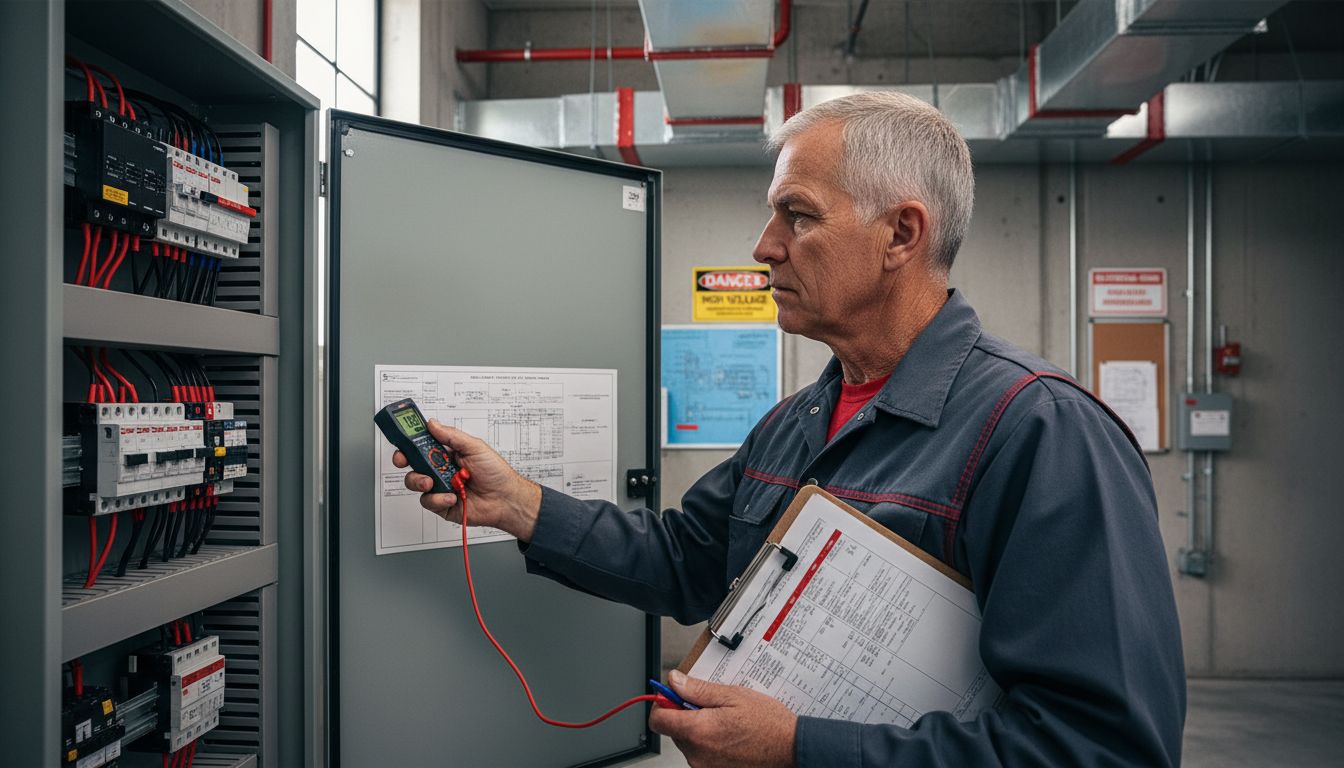 As building technologies and safety standards continue to evolve, staying informed about the latest inspection protocols becomes increasingly important.
Inspection Processes and Key Milestones
Commercial project inspections follow a structured progression that systematically evaluates every critical stage of construction and development. Understanding these key milestones is essential for ensuring compliance, maintaining safety standards, and preventing potential costly delays or rework.
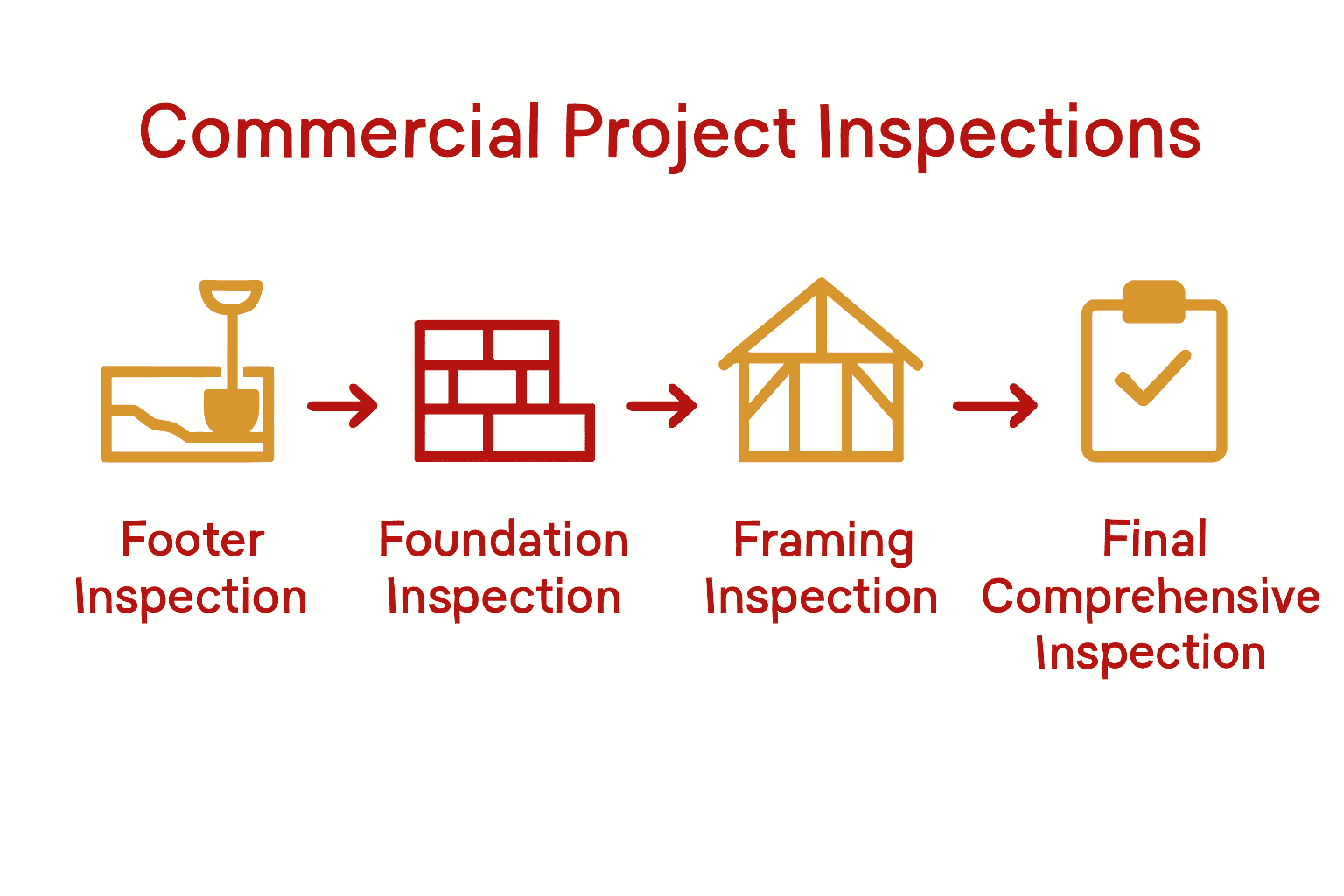
Wyoming County outlines the fundamental inspection milestones for commercial buildings, which typically include:
- Footer inspections
- Foundation inspections
- Framing inspections
- Final comprehensive inspections
According to Prosper, Texas, successful navigation of the inspection process requires meticulous preparation, including critical pre-inspection requirements such as:
- Ensuring approved construction plans are on-site
- Verifying the posting of official construction addresses
- Conducting staged inspections during key construction phases
Each inspection milestone serves a unique purpose in the overall quality assurance process. Preliminary inspections like footer and foundation checks ensure the structural integrity and compliance of the initial building stages. Framing inspections verify that the skeleton of the structure meets precise engineering and safety specifications, while mechanical and electrical rough-in inspections confirm that critical systems are installed correctly before they are concealed behind walls and ceilings.
For project managers and developers, understanding these inspection processes is more than a regulatory requirement—it’s a strategic approach to risk management. By anticipating and preparing for each inspection milestone, teams can proactively address potential issues, maintain project timelines, and ensure the highest standards of safety and quality.
 The inspection process is a collaborative journey that requires clear communication, meticulous documentation, and a commitment to excellence at every stage of commercial construction.
Legal Requirements and Regulatory Standards
Commercial construction legal requirements represent a complex framework of regulations designed to ensure public safety, structural integrity, and environmental responsibility. Navigating these standards demands comprehensive knowledge and meticulous attention to detail from all project stakeholders.
International Code Council emphasizes that commercial building inspectors must possess extensive expertise in building codes and standards, serving as critical gatekeepers who ensure structures comply with intricate legal and safety regulations. This requires a deep understanding of:
- National building codes
- Local municipal regulations
- State-specific construction standards
- Safety performance requirements
According to Portland Permitting Department, regulatory standards mandate several critical pre-construction requirements, including:
- Comprehensive review of deferred submittals
- Mandatory approvals before work commencement
- Erosion control inspections
- Tree protection verification prior to site work
The legal landscape of commercial construction is continuously evolving, with regulations becoming increasingly sophisticated. Compliance frameworks now encompass not just structural safety, but also environmental sustainability, accessibility standards, and technological adaptability. Project managers and developers must remain proactive, continuously updating their knowledge and anticipating regulatory changes that could impact their construction timelines and methodologies.
Ultimately, understanding and adhering to legal requirements is more than a bureaucratic exercise—it’s a fundamental commitment to public safety, environmental stewardship, and professional integrity. Successful navigation of these complex regulatory standards requires collaboration, continuous education, and a holistic approach to construction management.
Compliance Risks and Common Pitfalls
Commercial project compliance represents a minefield of potential risks that can derail even the most meticulously planned construction efforts. Understanding these potential pitfalls is crucial for preventing costly delays, legal complications, and project failures.
Florida Department of Transportation warns that non-compliance with commercial inspection requirements can lead to significant consequences, including:
- Immediate safety hazards
- Substantial project delays
- Potential legal and financial penalties
- Mandatory project shutdowns
Tampa Construction Services identifies the most common compliance pitfalls that project managers must vigilantly avoid:
- Failure to have approved plans on-site
- Neglecting to post official construction addresses
- Proceeding with work without necessary approvals
- Incomplete or incorrect documentation
- Skipping critical pre-inspection preparations
Documentation gaps often represent the most insidious compliance risk. Many project teams underestimate the importance of comprehensive record-keeping, not realizing that a single missing document can halt an entire construction project. This means maintaining meticulous records of permits, inspection reports, material certifications, and compliance documentation becomes as critical as the physical construction itself.
Navigating the compliance landscape requires more than just following rules—it demands a proactive, anticipatory approach. Successful project managers develop robust compliance strategies that include continuous staff training, regular internal audits, and a culture of transparency and accountability. By treating compliance as a collaborative, ongoing process rather than a bureaucratic checklist, construction teams can transform potential risks into opportunities for excellence and professional growth.
Ensure Compliance and Quality with Expert Commercial Project Inspections
Navigating the complex world of commercial project inspections can be overwhelming. The challenges of meeting strict legal requirements, avoiding costly delays, and ensuring all structural, mechanical, and safety systems are thoroughly evaluated demand expert guidance. Common pitfalls such as incomplete documentation and missed inspection milestones can put your entire project at risk. This is where professional engineering services make the difference.
At Florida Licensed Engineers, we specialize in delivering comprehensive inspection support tailored to your commercial project needs. Whether you require architectural, structural, mechanical, electrical, or plumbing plan reviews, our experienced team ensures every aspect complies with current building codes and safety regulations. We also provide civil engineering services including site planning and flood mitigation to protect your investment long term. Learn more about the variety of challenges and inspection types in the Uncategorized Archives – quibuilder and see how partnering with experts can safeguard your project.
Ready to take control of your commercial project’s inspection process and avoid costly setbacks? Visit Florida Licensed Engineers today to connect with trusted professionals committed to your project’s success. Don’t let compliance risks stall your progress—act now to ensure your commercial building stands strong and meets every requirement.
Frequently Asked Questions
What are commercial project inspections?
Commercial project inspections are specialized evaluations that ensure construction and maintenance meet safety and compliance standards. These inspections assess structural integrity, building code compliance, and zoning requirements to protect public safety.
What types of inspections are required for commercial spaces?
Inspections for commercial spaces typically include site final inspections, building final inspections, electrical system inspections, mechanical system inspections, plumbing system inspections, and natural gas final inspections.
What are the key milestones in the commercial inspection process?
Key milestones in the commercial inspection process include footer inspections, foundation inspections, framing inspections, and final comprehensive inspections, each serving to verify compliance and safety at different construction stages.
What are the common compliance risks in commercial project inspections?
Common compliance risks include failure to have approved plans on-site, neglecting essential pre-inspection preparations, incomplete documentation, and proceeding without necessary approvals, which may lead to safety hazards and project delays.
Recommended
- Role of Engineering Inspections | Florida Licensed Engineers ✅
- How to Conduct Construction Inspections Effectively – FloridaLicensedEngineers.com
- Structural Inspection Guide: Ensure Safe Buildings Easily – FloridaLicensedEngineers.com
- Structural Inspection Guide: Ensure Safe Buildings Easily – FloridaLicensedEngineers.com
- Monthly Pest Inspection Checklist Guide For Texas Homes – Pest Control Van Alstyne, TX – Pestico Pest Control
