
Civil Engineering Plans Guide for Successful Projects
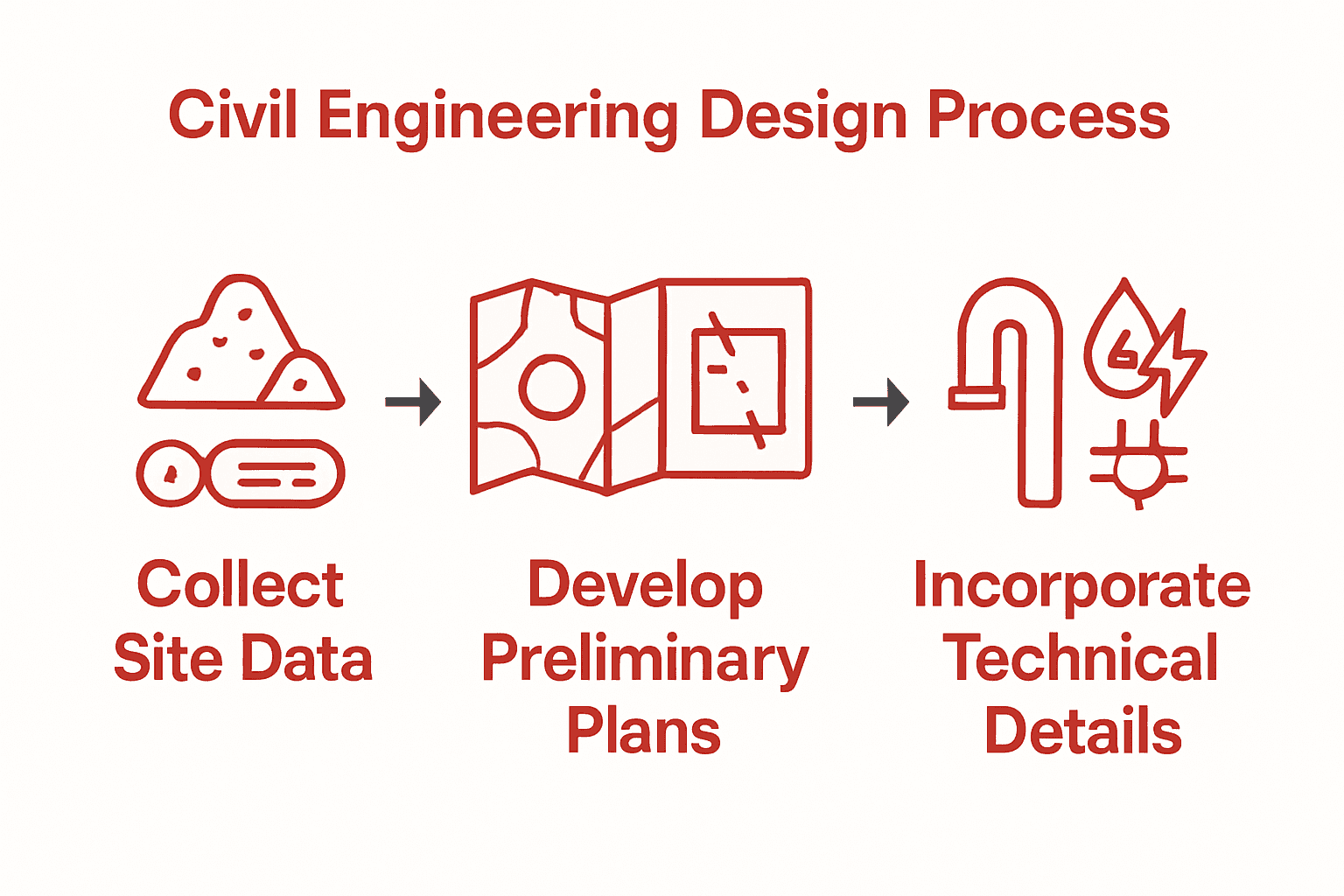
Over 80 percent of construction delays can be traced back to incomplete site data or missed details in the early planning stages. For civil engineering teams, the foundation of every successful project is careful preparation, starting with gathering thorough requirements and transforming raw data into actionable plans. Following a clear step-by-step process helps avoid costly mistakes and ensures each project meets both technical standards and community needs.
Table of Contents
- Step 1: Gather Site Requirements And Data
- Step 2: Develop Preliminary Civil Engineering Plans
- Step 3: Incorporate Drainage, Grading, And Utility Details
- Step 4: Coordinate With Permit Authorities And Stakeholders
- Step 5: Review And Finalize Civil Engineering Plans
- Step 6: Verify Compliance And Quality Standards
Quick Summary
| Key Point | Explanation |
|---|---|
| 1. Gather comprehensive site data | Collect detailed information on soil, utilities, and topography to inform project plans effectively. |
| 2. Develop flexible preliminary plans | Create initial engineering designs that reflect site data, allowing for adjustments as the project progresses. |
| 3. Incorporate technical drainage and utility details | Ensure drainage systems and utility layouts are precise to enhance project efficiency and prevent issues. |
| 4. Engage with stakeholders early | Coordinate with permit authorities and stakeholders to avoid delays and ensure compliance from the project’s start. |
| 5. Verify compliance with standards | Conduct thorough checks against building codes and regulations to maintain quality and ensure safety in your designs. |
Step 1: Gather Site Requirements and Data
Successful civil engineering projects start with meticulous site requirement collection. In this step, you will systematically collect and analyze all critical data needed to create accurate and comprehensive project plans.
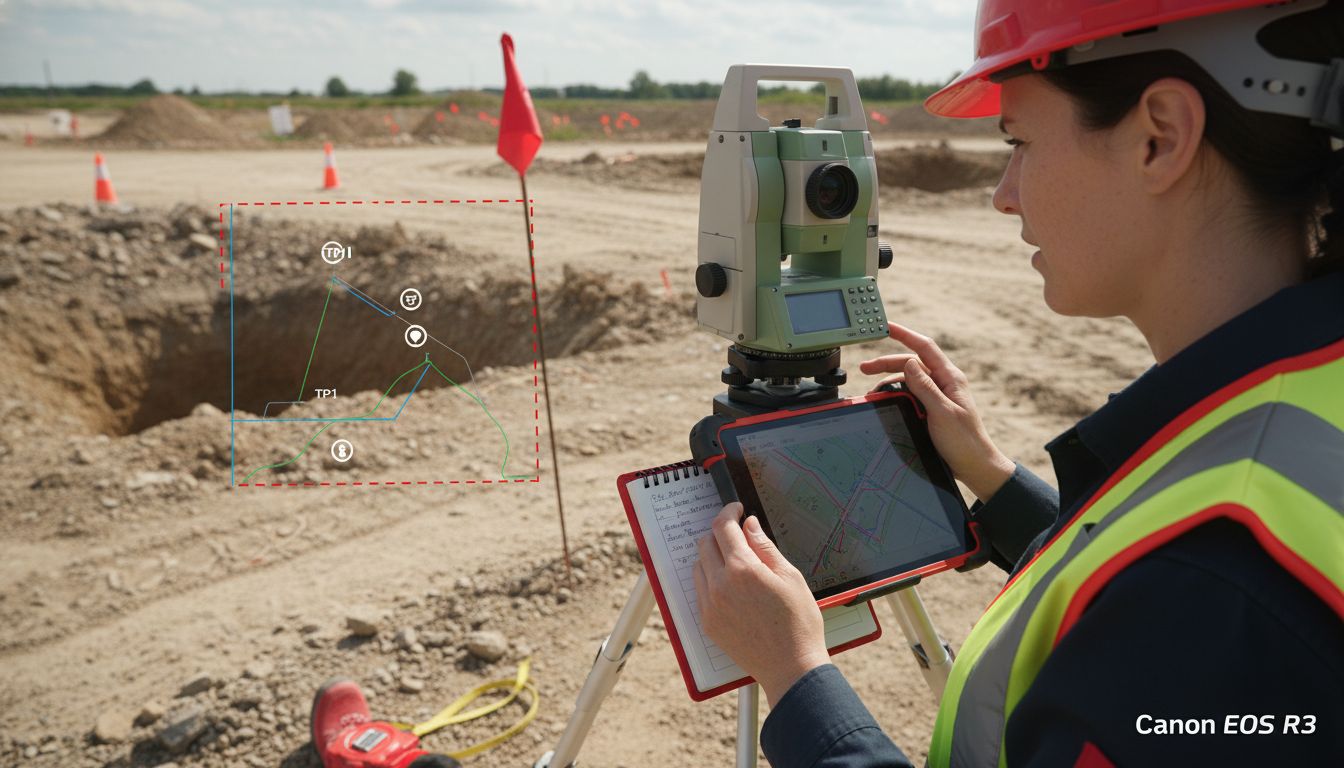
Beginning with geotechnical research is crucial. According to recent research from Arxiv, engineers must prioritize comprehensive data collection and management. This means conducting thorough site investigations that include soil analysis, topographical surveys, environmental assessments, and utility mapping. You’ll want to gather information about ground conditions, potential geological challenges, drainage patterns, and existing infrastructure.
To streamline requirements gathering, consider hosting collaborative workshops with key stakeholders. As recommended by Valispace, these sessions help capture detailed project expectations and constraints from various perspectives. Typical data you should collect includes:
- Precise site dimensions and boundaries
- Soil composition and bearing capacity
- Drainage and water table information
- Existing utility locations
- Local building code requirements
- Environmental impact considerations
Pro tip: Document everything meticulously. Digital tools can help track and manage these requirements efficiently, ensuring no critical detail gets overlooked. The data you gather now will form the foundation for all subsequent design and planning stages.
Once you have compiled a comprehensive site requirements package, you will be ready to move forward with preliminary design concepts and technical specifications.
Step 2: Develop Preliminary Civil Engineering Plans
With your site requirements gathered, you are now ready to translate that critical data into preliminary engineering plans that will serve as the blueprint for your entire project. This stage transforms raw site information into structured technical designs that guide subsequent development stages.
As noted by Wikipedia, preliminary engineering involves creating comprehensive initial studies and design concepts before detailed construction planning begins. Your first task is to develop conceptual drawings that capture the project’s core requirements. Start by creating base maps and site layouts that reflect the precise dimensions and topographical features you documented earlier. These initial sketches will outline key project elements such as building footprints, proposed infrastructure, drainage systems, and utility connections.
Your preliminary plans should include several critical components:
- Schematic site layout with proposed structures
- Preliminary grading and drainage design
- Initial utility routing and connection points
- Conceptual landscaping and hardscape elements
- Rough spatial relationships between project components
Pro tip: Keep these initial plans flexible. They are meant to be refined and adjusted as you progress through more detailed design phases. Digital design tools can help you quickly iterate and modify your preliminary concepts.
Once you have completed your preliminary civil engineering plans, you will be prepared to move into more detailed design development, where specific engineering specifications and technical requirements will be further refined.
Step 3: Incorporate Drainage, Grading, and Utility Details
With your preliminary plans in place, you will now focus on the critical technical details that ensure your project functions efficiently and safely. This stage involves developing precise engineering specifications for drainage, grading, and utility systems that form the infrastructure backbone of your project.
According to Wikipedia, detailed engineering requires comprehensive incorporation of all technical aspects before construction begins. Start by creating detailed drainage plans that address water management and prevent potential flooding risks. This involves analyzing site topography, calculating runoff volumes, designing appropriate slope gradients, and specifying drainage infrastructure like culverts, retention ponds, and stormwater management systems.
Your detailed plans should comprehensively address these key components:
- Precise grading elevations and slope calculations
- Comprehensive drainage flow patterns
- Utility connection strategies
- Underground and surface water management
- Erosion control mechanisms
Pro tip: Collaborate closely with local regulatory agencies to ensure your drainage and utility designs meet all municipal and environmental requirements. Each jurisdiction may have specific guidelines that can significantly impact your project planning.
Once you have meticulously incorporated drainage, grading, and utility details, you will be prepared to move into the next phase of developing comprehensive engineering drawings and technical specifications.
Step 4: Coordinate With Permit Authorities and Stakeholders
Now that your detailed engineering plans are taking shape, you will enter a crucial phase of engaging with permit authorities and key project stakeholders to ensure smooth project progression and regulatory compliance. This step transforms your technical designs into actionable plans that meet all legal and community requirements.
According to Medipol, legal procedures in civil engineering planning demand comprehensive coordination with permit authorities and stakeholders. Begin by scheduling initial meetings with local building departments, zoning officials, and environmental regulatory agencies. During these meetings, present your detailed site plans, drainage designs, and utility specifications for thorough review and feedback.
Key stakeholders you should engage include:
- Municipal building and zoning departments
- Local environmental protection agencies
- Utility service providers
- Neighborhood associations
- Adjacent property owners
- Environmental consultants
Pro tip: Approach these interactions proactively and transparently. Anticipate potential concerns, be prepared to make modifications, and maintain detailed documentation of all communications and feedback received.
Once you have successfully navigated the stakeholder coordination process and obtained necessary preliminary approvals, you will be ready to finalize your engineering drawings and proceed toward obtaining formal project permits.
Step 5: Review and Finalize Civil Engineering Plans
With stakeholder feedback and preliminary approvals in hand, you now enter the critical phase of meticulously reviewing and finalizing your civil engineering plans. This stage transforms your collaborative drafts into precise technical documents ready for comprehensive review and ultimate implementation.
As noted by Wikipedia, the detailed engineering phase requires thorough finalization of all project aspects before construction begins. Start by conducting a comprehensive internal review of your engineering plans. This involves systematically checking each technical specification, verifying dimensional accuracy, ensuring compliance with all regulatory requirements, and cross referencing stakeholder feedback.
Key elements to scrutinize during your final review include:
- Dimensional accuracy and scale precision
- Compliance with local building codes
- Alignment with stakeholder recommendations
- Technical feasibility of proposed designs
- Consistency across all plan sections
- Clarity of technical annotations
Pro tip: Engage multiple team members in the review process. Fresh perspectives can help identify potential issues or improvements that might have been overlooked during initial drafting. Consider creating a structured review checklist to ensure nothing falls through the cracks.
Once you have meticulously reviewed and finalized your civil engineering plans, you will be prepared to submit them for final regulatory approval and move toward the exciting phase of project implementation.
Step 6: Verify Compliance and Quality Standards
With your engineering plans nearly complete, you now enter the critical phase of ensuring absolute compliance and maintaining the highest quality standards. This crucial step transforms technical documents into reliable blueprints that meet all regulatory requirements and professional engineering benchmarks.
Recent research from Arxiv highlights the emerging role of digital twin technology in verifying compliance throughout the project lifecycle. Begin by conducting a comprehensive quality assurance review that cross references your plans against local building codes, industry standards, and specific regulatory requirements. This process involves systematic verification of every technical specification, ensuring mathematical precision, structural integrity, and adherence to safety regulations.
Key compliance verification steps include:
- Cross referencing plans with current building codes
- Verifying load bearing calculations
- Checking material specification standards
- Confirming dimensional accuracy
- Validating environmental impact assessments
- Reviewing structural engineering principles
Pro tip: Consider engaging an independent third party engineering review to provide an unbiased assessment of your plans. External perspectives can uncover potential compliance issues that internal teams might inadvertently overlook.
Once you have meticulously verified compliance and quality standards, you will be prepared to submit your final engineering plans for official approval and move toward the exciting phase of project implementation.
Ensure Your Civil Engineering Plans Lead to Success with Expert Support
Navigating the complexities of civil engineering plans requires precision, compliance, and thorough coordination. This guide highlights the importance of comprehensive site data collection, detailed drainage and grading design, and proactive stakeholder engagement. If you have faced challenges with these critical elements or want to avoid costly revisions and permit delays, professional assistance is essential. Our team at Florida Licensed Engineers specializes in delivering clear, compliant civil engineering plans, including drainage, grading, and utility details that align perfectly with regulatory standards.

Take control of your project timeline and quality with help from seasoned experts. Connect with us now for comprehensive civil engineering services and permit expediting that safeguard your project’s success. Discover more about our diverse capabilities and how we help projects in various states by visiting the Uncategorized Archives – Connecticut Licensed Engineers and Uncategorized Archives – New Jersey Licensed Engineers. Don’t leave your plans to chance. Start your stress-free permitting and engineering journey today at Florida Licensed Engineers.
Frequently Asked Questions
How do I gather site requirements for my civil engineering project?
Begin by conducting thorough geotechnical research, including soil analysis, topographical surveys, and environmental assessments. Collect data on site dimensions, soil composition, and local building codes within the first few weeks of the project to create a solid foundation for your plans.
What should be included in preliminary civil engineering plans?
Preliminary plans should include a schematic site layout, preliminary grading designs, initial utility routing, and conceptual landscaping elements. Create these drafts early on to ensure that all critical components are captured before further design development adds complexity.
How do I ensure my drainage and grading plans are effective?
To ensure effectiveness, focus on precise calculations of drainage flow patterns and grading elevations. Develop detailed drainage infrastructure plans by analyzing site topography and slope gradients, aiming for clear designs that manage water run-off and prevent flooding risks.
What steps should I take when coordinating with permit authorities?
Engage with local building departments and stakeholders by scheduling initial meetings to present your site plans and drainage designs. Actively take notes and be ready to adjust your plans based on feedback, keeping communication transparent throughout the process.
How do I verify compliance with building codes in my final engineering plans?
Conduct a comprehensive review of your plans against local building codes and regulatory requirements. Cross-reference each technical specification and ensure dimension accuracy; aim to complete this verification before submitting plans for final regulatory approval to avoid delays.
What can I do to improve the quality of my engineering plans?
Incorporate multiple team members in the review process to gain fresh perspectives on your plans. Establish a structured review checklist and encourage thorough scrutiny of every detail to enhance overall plan accuracy and compliance, working to finalize your plans efficiently.
