
Complete Guide to Building Inspection Services
More than 60 percent of property owners misunderstand what a building inspection actually involves. Misconceptions can lead to costly surprises and missed safety issues that threaten both your investment and peace of mind. By clearing up myths and understanding what truly happens during these professional assessments, you can make smarter, safer decisions about any type of property.
Table of Contents
- Building Inspection Defined And Common Myths
- Types Of Building Inspections Explained
- Inspection Process: Steps And What To Expect
- Legal Standards And Compliance Requirements
- Risks, Costs, And Common Pitfalls To Avoid
Key Takeaways
| Point | Details |
|---|---|
| Building Inspections Are Essential | Proper evaluations identify safety hazards and ensure compliance with building standards, protecting property investments. |
| Common Myths About Inspections | Misconceptions can lead to neglect; regular inspections can prevent costly repairs and are necessary even for new buildings. |
| Types of Inspections Are Varied | Different assessment types exist, including pre-construction and specialized inspections, each targeting specific structural aspects. |
| Regular Inspections Mitigate Risks | Proactive maintenance through frequent inspections avoids major structural issues and legal liabilities, ensuring ongoing safety. |
Building Inspection Defined and Common Myths
A building inspection is a comprehensive professional evaluation of a structure’s physical condition, safety standards, and compliance with local building codes and regulations. According to the Registered Building Inspector, these assessments are critical for identifying potential structural issues, safety hazards, and ensuring the overall integrity of residential and commercial properties.
Contrary to popular belief, building inspections are not just superficial walk-throughs. They involve detailed technical assessments where trained professionals systematically examine multiple aspects of a building:
- Foundation and structural integrity
- Electrical systems and wiring
- Plumbing and mechanical systems
- Roof and exterior envelope
- Potential safety code violations
- Signs of wear, damage, or potential future problems
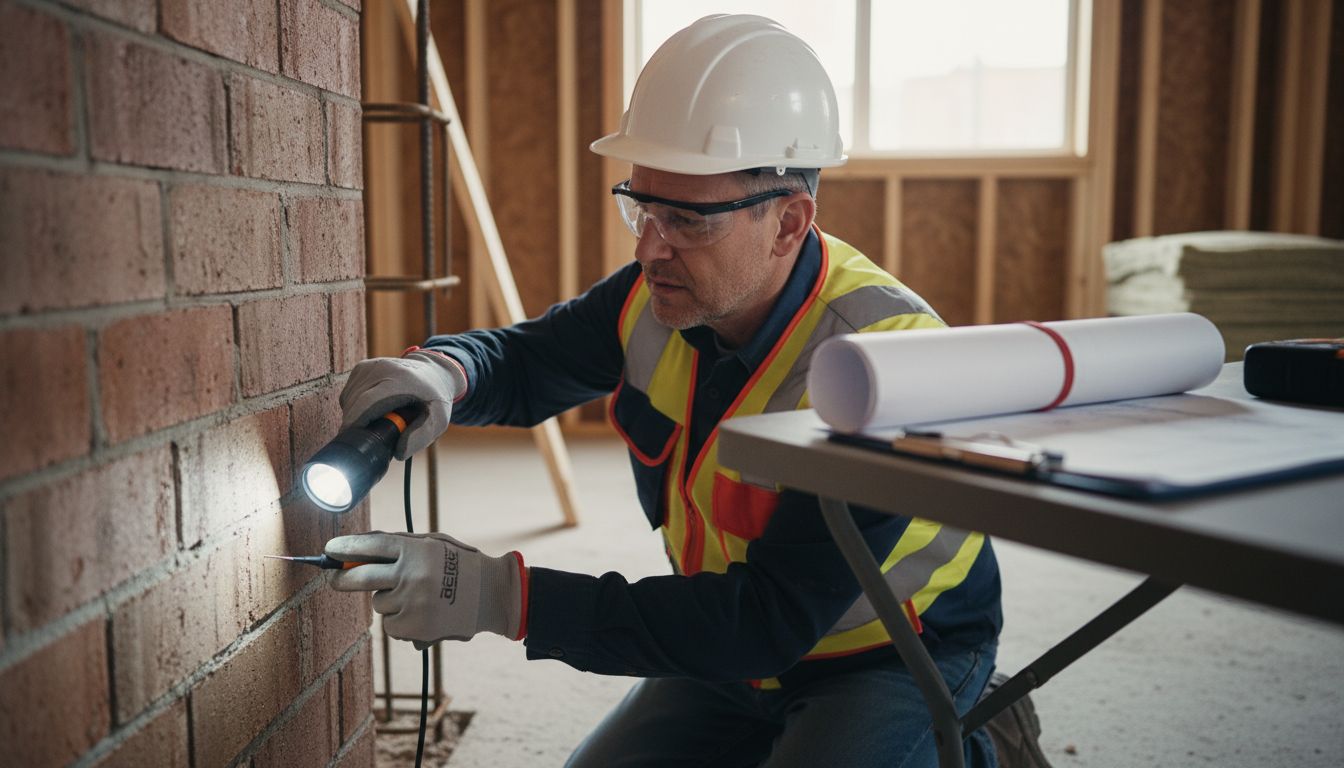
Many property owners harbor misconceptions about building inspections. Some believe these assessments are unnecessary expenses, while others think they only matter when selling a property. NYC Fire Department emphasizes that regular inspections are crucial for maintaining safety, preventing potential disasters, and ensuring ongoing structural health.
The most common myths surrounding building inspections include:
-
Myth: Inspections are too expensive
Reality: Preventative inspections cost far less than major repairs -
Myth: New buildings don’t need inspections
Reality: Even new constructions can have hidden defects -
Myth: One inspection covers everything forever
Reality: Regular periodic inspections are recommended to track building condition over time
Ultimately, building inspections are not just about identifying problems—they’re about proactive maintenance, safety assurance, and protecting your most significant investment. For a deeper understanding of what to look for, check out our key examples of building inspections guide.
Types of Building Inspections Explained
Building inspections encompass a wide range of specialized assessments designed to evaluate different aspects of a structure’s condition and safety. San Diego Development Services highlights that these inspections are critical checkpoints throughout a building’s lifecycle, ensuring compliance with local building codes and safety standards.
The primary types of building inspections include:
- Pre-Construction Inspections: Evaluating site conditions and initial preparation
- Foundation Inspections: Checking structural base and ground stability
- Framing Inspections: Assessing structural framework and initial construction
- Electrical System Inspections: Verifying wiring, panel, and electrical infrastructure
- Plumbing Inspections: Examining pipe systems and water infrastructure
- Mechanical System Inspections: Reviewing HVAC and other mechanical components
- Final Occupancy Inspections: Comprehensive assessment before building use
Los Angeles Department of Building and Safety further categorizes these inspections into residential, commercial, and specialized domains. Each inspection type serves a unique purpose, from ensuring structural integrity to verifying compliance with local building regulations.
Specialized Inspection Categories
Beyond standard assessments, some buildings require more targeted inspections:
- Structural Integrity Inspections: Deep analysis of load-bearing elements
- Forensic Building Inspections: Investigating potential damage or failure points
- Energy Efficiency Inspections: Evaluating thermal performance and sustainability
- Historic Building Preservation Inspections: Specialized assessments for heritage structures
Understanding these essential types of engineering inspections can help property owners proactively manage their investments and ensure long-term safety and performance.
Inspection Process: Steps and What to Expect
Building inspections follow a structured, systematic approach designed to thoroughly evaluate a property’s condition and compliance. Mecklenburg County Code Enforcement provides insight into the typical residential inspection schedule, which involves multiple critical stages from initial site preparation to final occupancy.
The standard inspection process typically unfolds through several key stages:
-
Pre-Inspection Preparation
- Document review
- Site access coordination
- Gathering necessary building plans
- Ensuring all areas are accessible
-
On-Site Inspection Stages
- Foundation inspection
- Underfloor system review
- Framing and structural assessment
- Mechanical, electrical, and plumbing systems evaluation
- Final comprehensive walk-through
City of Tracy Building Safety emphasizes that each inspection stage serves a unique purpose, focusing on specific structural and systems components to ensure overall building safety and code compliance.
What to Expect During Inspections
During a typical building inspection, property owners and contractors should be prepared for:
- Detailed visual examinations of structural elements
- Comprehensive system functionality tests
- Potential recommendations for repairs or improvements
- Potential issuance of correction notices
- Documentation of findings and compliance status
Professional inspectors will systematically document their observations, providing a comprehensive report that highlights potential issues. For property owners looking to understand the nuances of these assessments, our 7 essential items for a building inspection checklist offers additional insights into what makes a thorough inspection.
Legal Standards and Compliance Requirements
Building inspection legal standards form a critical framework that ensures structural safety, public protection, and consistent quality across construction projects. ANSI Blog highlights the pivotal role of special inspections in maintaining rigorous compliance with established building codes and safety regulations.
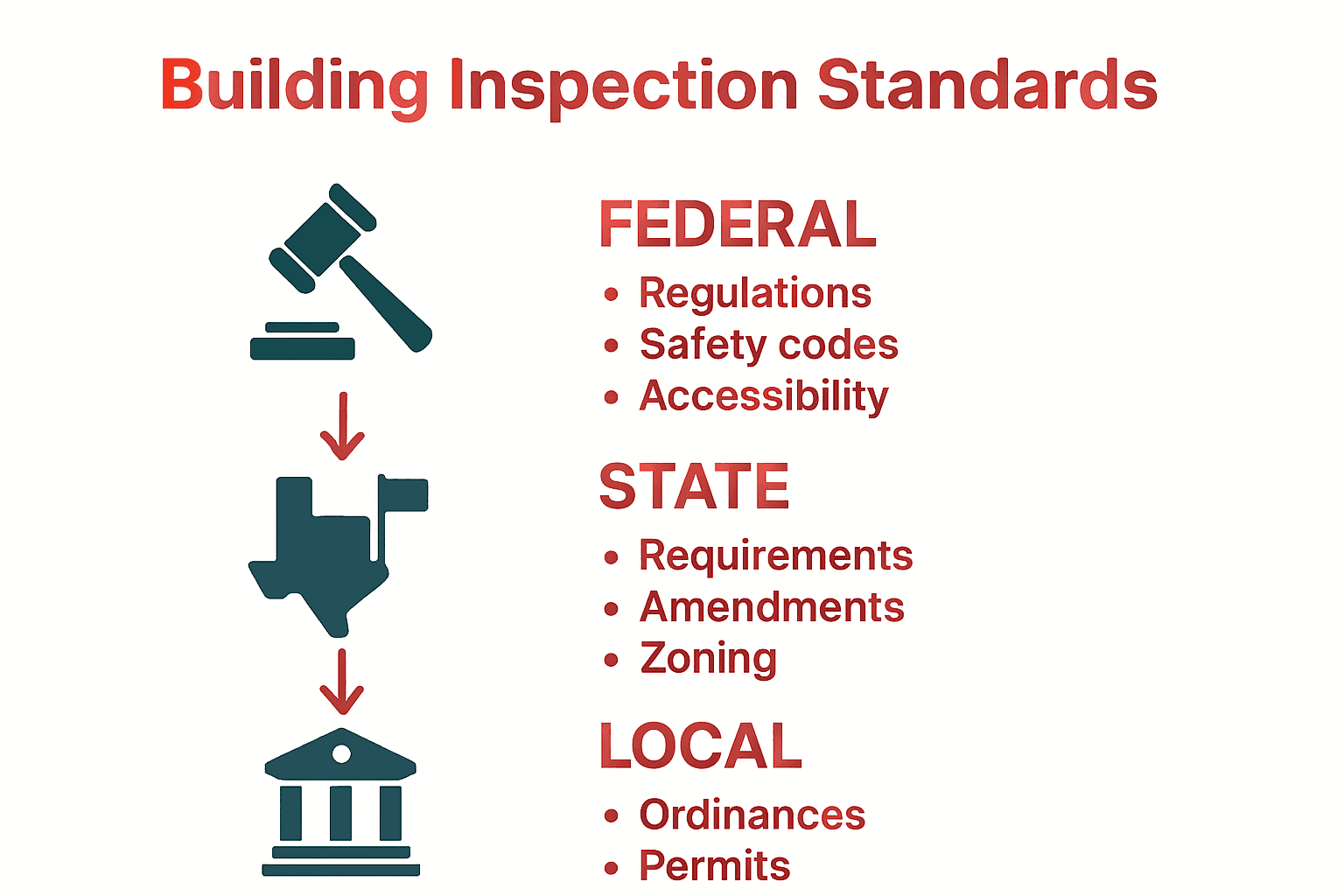
The legal landscape of building inspections involves multiple layers of compliance:
-
Federal Building Standards
- Minimum safety requirements
- Accessibility guidelines
- Environmental protection regulations
-
State-Level Regulations
- Specific building code adaptations
- Regional safety requirements
- Permitting and licensing frameworks
-
Local Municipal Requirements
- Zoning compliance
- Structural integrity standards
- Historical preservation guidelines
Association of Registered Building Inspectors emphasizes that professional inspectors must navigate these complex regulatory environments while maintaining strict adherence to their designated registration class and permitted scope of work.
Key Compliance Considerations
Professional building inspectors must meet several critical legal requirements:
-
Professional Certification
- Current licensing
- Ongoing professional education
- Adherence to ethical standards
-
Documentation Standards
- Comprehensive reporting
- Accurate record-keeping
- Transparent communication of findings
-
Liability and Professional Responsibility
- Accurate assessment protocols
- Objective evaluation practices
- Immediate reporting of significant safety issues
For property owners seeking deeper insights into navigating these complex regulatory requirements, our 7 essential building inspection types guide provides comprehensive understanding of legal and professional standards.
Risks, Costs, and Common Pitfalls to Avoid
Building inspections are critical investments that can save property owners significant financial and safety risks down the line. NYC Department of Buildings emphasizes that neglecting regular maintenance inspections can lead to catastrophic and costly consequences that far exceed the initial inspection expenses.
The most significant risks associated with inadequate building inspections include:
-
Structural Failures
- Compromised building integrity
- Potential collapse risks
- Expensive emergency repairs
-
Financial Vulnerabilities
- Decreased property value
- Higher insurance premiums
- Potential legal liabilities
-
Safety Hazards
- Risk to occupant health
- Potential code violation penalties
- Unexpected emergency interventions
ANSI Blog warns that inadequate special inspections can expose property owners to significant legal and structural risks, emphasizing the importance of comprehensive and professional assessment processes.
Cost Considerations and Mitigation Strategies
Prudent property owners should anticipate and budget for potential inspection-related expenses:
-
Initial Inspection Costs
- Professional fee ranges
- Complexity-based pricing
- Scope of assessment factors
-
Potential Repair Costs
- Minor maintenance expenses
- Major structural intervention budgeting
- Long-term preservation strategies
-
Risk Mitigation Approaches
- Regular preventative inspections
- Proactive maintenance planning
- Early problem detection
For those seeking to understand how to navigate these complex financial and safety considerations, our 7 essential building inspection types guide offers comprehensive insights into making informed decisions.
Secure Your Property’s Future with Expert Building Inspection Services
Understanding the true condition of your property is essential to avoid costly repairs and safety hazards discussed in the Complete Guide to Building Inspection Services. Whether you face concerns about structural integrity, system compliance, or long-term maintenance, our engineering experts provide thorough inspections that catch hidden issues early. With specialized knowledge in architectural, structural, mechanical, electrical, and plumbing plans, we transform complex inspections into clear, actionable solutions.

Discover how our comprehensive services exceed typical inspection expectations by including forensic investigations, permitting expediter aid, and civil engineering support like flood mitigation and site planning. Don’t wait for problems to escalate. Visit our main site now and explore how we can safeguard your investment. Learn more about inspection essentials in our Uncategorized Archives – Texas Structural Inspectors and expand your insight with Uncategorized Archives – quibuilder. Act today to protect your property with trusted, expert engineering services.
Frequently Asked Questions
What is a building inspection?
A building inspection is a comprehensive evaluation of a structure’s physical condition, safety standards, and compliance with local building codes and regulations. It assesses multiple aspects, including structural integrity, electrical systems, plumbing, and potential safety hazards.
Why are building inspections necessary?
Building inspections are crucial for identifying potential structural issues, safety hazards, and ensuring compliance with regulations. Regular inspections help maintain safety, prevent disasters, and safeguard your investment in a property.
How often should building inspections be conducted?
Building inspections should be conducted regularly, especially in the following situations: before buying or selling a property, after major renovations, or as part of routine maintenance to monitor the overall condition of the building over time.
What types of inspections are included in a building inspection service?
Building inspection services typically include evaluations such as pre-construction inspections, foundation inspections, framing inspections, and final occupancy inspections. Specialized inspections may also address structural integrity, energy efficiency, or historic preservation needs.
Recommended
- 7 Essential Items for a Building Inspection Checklist – FloridaLicensedEngineers.com
- Role of Engineering Inspections | Florida Licensed Engineers ✅
- 7 Key Examples of Building Inspections Every Owner Should Know – FloridaLicensedEngineers.com
- 7 Key Examples of Building Inspections Every Owner Should Know – FloridaLicensedEngineers.com
