
Step-by-Step Guide to Commercial Inspections Success

More than 60 percent of American commercial property transactions in Florida stumble due to incomplete documentation or overlooked compliance issues. With every sale or renovation, owners and managers face mounting pressure to meet stringent codes and minimize costly risks. This clear step-by-step guide breaks down how you can gather the right records, assess site safety, and work with the right specialists to keep your American property investments secure and compliant from start to finish.
Table of Contents
- Step 1: Gather Critical Property Documentation
- Step 2: Assess Site Conditions And Safety Needs
- Step 3: Conduct Detailed Engineering Evaluations
- Step 4: Verify Compliance With Local Codes
- Step 5: Finalize Inspection Reports And Certifications
Quick Summary
| Key Point | Explanation |
|---|---|
| 1. Gather All Property Documents | Compile essential records like title deeds and previous inspections to create a comprehensive property history. |
| 2. Assess Site Conditions Thoroughly | Conduct a detailed site inspection for hazards to identify safety risks and ensure regulatory compliance. |
| 3. Perform In-Depth Engineering Evaluations | Analyze critical systems and structural elements using specialized tools to identify vulnerabilities and required repairs. |
| 4. Ensure Compliance with Local Codes | Review all aspects of the property against current codes to maintain legal status and safety standards. |
| 5. Finalize Comprehensive Inspection Reports | Compile clear and actionable reports detailing findings, supporting future maintenance, investment confidence, and potential certifications. |
Step 1: Gather critical property documentation
Documenting your commercial property is the foundation of a successful inspection process. Your goal is to compile a comprehensive collection of records that provides a complete picture of the property’s history, current condition, and potential challenges.
Start by collecting key documents that tell your property’s story. Technical documentation standards from global real estate experts recommend assembling a portfolio that includes:
- Title deeds and ownership records
- Previous inspection reports
- Architectural and engineering project drawings
- Building permits and compliance certificates
- Historical maintenance and repair records
- Service contracts and utility documentation
- Zoning and land use approvals
- Insurance documentation
Prioritize obtaining original documents from property sellers, local government offices, and your own records. Digital copies are acceptable, but ensure they are clear, legible, and fully represent the original documentation. Pay special attention to certificates of occupancy, structural assessments, and any records indicating past renovations or significant modifications.
Tracking down these documents might seem overwhelming, but systematic organization will streamline your inspection process. Contact previous property managers, review filing cabinets, and request duplicates from relevant municipal offices if originals are missing.
Pro Tip: Create a digital backup of all collected documents and store them in a secure cloud storage system with multiple redundancies to prevent potential loss of critical property information.
Step 2: Assess site conditions and safety needs
Evaluating site conditions and safety requirements is a critical step in your commercial property inspection process. Your comprehensive assessment will help identify potential risks and ensure regulatory compliance across the entire property.
Safety assessment guidelines from international workplace standards recommend a systematic approach to identifying and mitigating potential hazards. Start by conducting a thorough visual inspection of the entire property, looking for critical safety indicators such as:
- Structural integrity of walls, floors, and foundations
- Electrical system conditions and potential risks
- Fire safety equipment and emergency exit accessibility
- Potential slip, trip, and fall hazards
- Ventilation and environmental quality
- Equipment and machinery safety status
- Compliance with local building and safety codes
Document every observation meticulously, taking photographs and noting specific locations of potential concerns. Pay special attention to areas that might require immediate intervention or represent significant safety risks. Your goal is to create a comprehensive overview that highlights both immediate safety needs and potential long-term maintenance requirements.
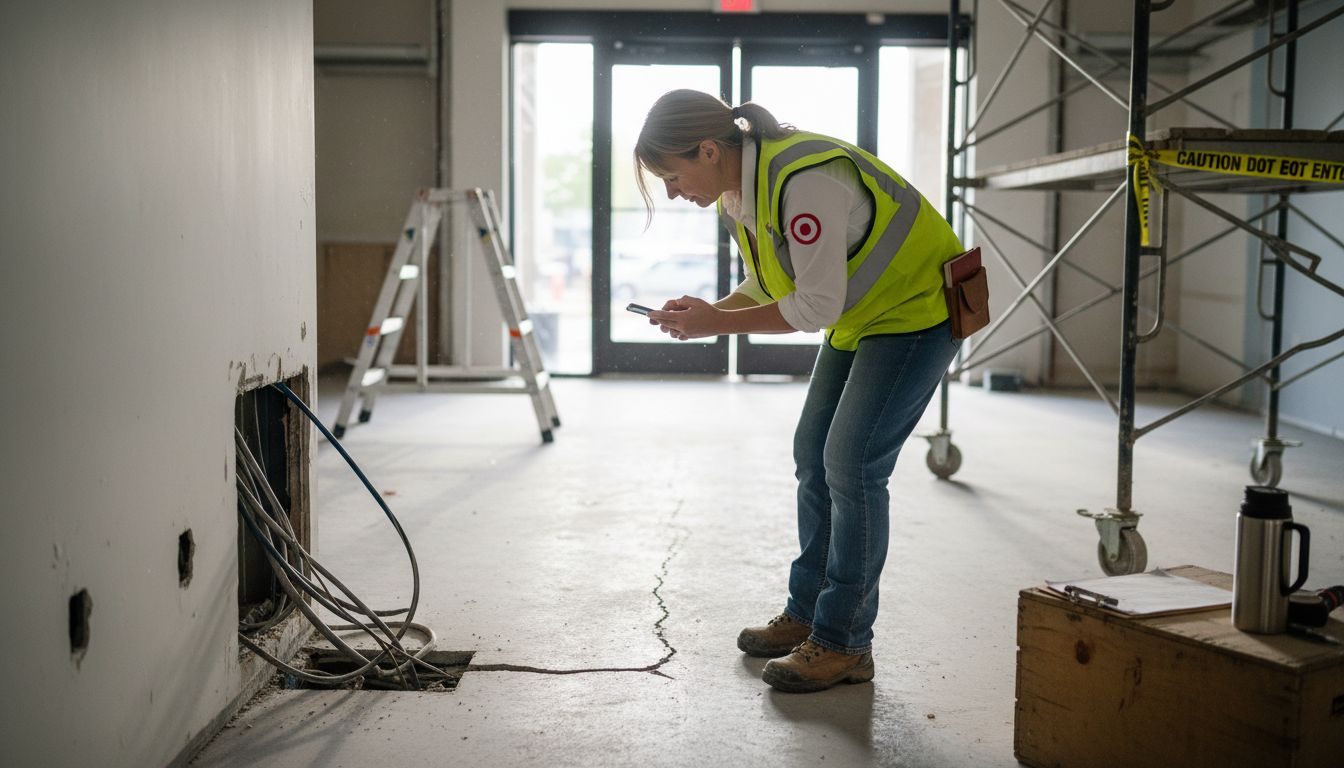
Remember that different commercial spaces have unique safety considerations. Manufacturing facilities will have different assessment criteria compared to office buildings or retail spaces. Engage with specialized inspectors who understand the specific safety requirements of your property type and can provide targeted insights.
Pro Tip: Use a standardized digital checklist with geolocation features to precisely track and document each safety observation during your site assessment.
Step 3: Conduct detailed engineering evaluations
Engineering evaluations represent the technical heart of your commercial property inspection. Your objective is to perform a comprehensive systematic analysis that reveals the true condition and potential vulnerabilities of the property’s critical systems and structural elements.
Comprehensive commercial property inspection standards recommend a methodical approach that covers multiple critical assessment domains. Begin by conducting a systematic walk-through survey that examines each major building system in depth:
- Structural framework and foundation integrity
- Electrical system performance and code compliance
- Mechanical systems including HVAC functionality
- Plumbing infrastructure and water distribution networks
- Roofing materials and drainage systems
- Building envelope and insulation characteristics
- Exterior and interior wall structural conditions
Each system requires careful scrutiny using specialized diagnostic tools and technical expertise. For electrical systems, this might involve thermal imaging to detect potential circuit overloads. Structural assessments could require ultrasonic testing or ground penetrating radar to evaluate concrete and foundation conditions without invasive procedures.
Specialized engineering professionals bring critical expertise to these evaluations. They understand nuanced technical indicators that untrained observers might miss. Consider engaging engineers with specific experience in your property type whether it is an industrial facility, commercial office complex, or retail space. Their targeted knowledge ensures a more precise and comprehensive assessment.

Pro Tip: Invest in digital documentation software that allows real time annotation and immediate photographic evidence during your engineering evaluation to create a comprehensive and defensible inspection record.
Step 4: Verify compliance with local codes
Verifying compliance with local building codes is a critical step that protects your property investment and ensures legal and safety standards are met. Your goal is to comprehensively review all aspects of the property against current regulatory requirements.
Comprehensive building code standards provide a detailed framework for assessing compliance across multiple critical domains. Focus your verification process on these key areas:
- Occupancy classifications and permitted uses
- Structural integrity and load bearing requirements
- Fire safety systems and emergency exit protocols
- Accessibility standards for persons with disabilities
- Environmental and energy efficiency regulations
- Electrical and mechanical system specifications
- Zoning and land use restrictions
Local building departments can be invaluable resources during this process. Request a comprehensive review of your property documents, and be prepared to provide detailed blueprints, engineering assessments, and historical modification records. Some jurisdictions may require additional specialized inspections for properties with unique characteristics or complex systems.
Environmental compliance adds another layer of complexity to code verification. Regulatory requirements for commercial sites extend beyond traditional building codes to include air quality, hazardous material handling, and emission standards. Engage environmental specialists who can help navigate these intricate regulatory landscapes and identify potential areas of concern.
Pro Tip: Create a dedicated compliance tracking spreadsheet that maps each code requirement against your current property specifications to quickly identify and prioritize necessary modifications.
Step 5: Finalize inspection reports and certifications
Compiling a comprehensive and professional inspection report represents the culmination of your entire commercial property evaluation process. Your objective is to transform all collected data into a clear, actionable document that provides definitive insights into the property’s condition and compliance status.
Commercial property inspection reporting protocols emphasize the importance of creating a structured and systematic documentation approach. Your final report should include:
- Executive summary of key findings
- Detailed system evaluations
- Photographic evidence of critical observations
- Quantitative measurements and performance metrics
- Specific recommendations for repairs or improvements
- Code compliance assessment
- Risk evaluation and potential future maintenance requirements
Ensure your report follows industry recognized standards for clarity and professional presentation. Certification processes for commercial properties require meticulous attention to detail and independent verification. Work closely with licensed engineers who can validate your findings and provide authoritative documentation that meets regulatory requirements.
Professional certification adds significant credibility to your inspection report. Different property types may require specialized certifications from relevant regulatory bodies. Verify which specific certifications are applicable to your commercial property and ensure all necessary documentation is completed accurately and comprehensively.
Pro Tip: Develop a standardized digital report template with automatic formatting and validation checks to streamline your documentation process and maintain consistent professional quality.
Compare the roles of professionals involved in commercial property inspections:
| Professional Role | Key Responsibility | Value to Inspection Process |
|---|---|---|
| Property Manager | Provides historical documentation | Supplies critical records and context |
| Safety Specialist | Identifies workplace hazards | Ensures protection and regulatory compliance |
| Structural Engineer | Assesses structural integrity | Detects problems and recommends repairs |
| Code Compliance Officer | Checks against local requirements | Confirms legal status and needed updates |
| Certification Authority | Issues official certifications | Validates and strengthens your report |
Here is a summary of the main inspection steps and their business benefits:
| Inspection Step | Main Activity | Primary Benefit |
|---|---|---|
| Gather property documentation | Compile essential records | Enables full property history view |
| Assess site safety needs | Inspect for hazards and regulations | Reduces risk and liability |
| Detailed engineering evaluations | Analyze structural and system health | Reveals vulnerabilities early |
| Verify local code compliance | Review regulations and standards | Ensures legal and safe status |
| Finalize reports and certifications | Create actionable inspection record | Supports confident investment |
Ensure Commercial Inspection Success with Expert Engineering Support
Navigating the complexities of commercial property inspections demands precise documentation, rigorous safety assessments, and thorough engineering evaluations. This article highlights crucial pain points such as compiling detailed records, evaluating site safety, and verifying code compliance to protect your investment and reduce risk. If you seek a trusted partner to guide you through these challenges with expert solutions including architectural, structural, mechanical, electrical, and plumbing plans plus forensic investigations and permitting services, look no further.

Take control of your commercial inspection process today by partnering with licensed professionals who understand every critical step. Explore how our comprehensive engineering expertise at Florida Licensed Engineers can streamline your inspections and ensure code compliance. For more specialized insights and updates, visit our TLE Archives – Texas Licensed Engineers | Residential & Commercial and stay informed with industry best practices. Don’t leave your property’s future to chance. Contact us now to secure a flawless inspection outcome and maximize your investment confidence.
Frequently Asked Questions
What documents are essential for a commercial property inspection?
To successfully conduct a commercial property inspection, gather essential documents such as title deeds, previous inspection reports, and architectural drawings. Start compiling these records early to ensure a comprehensive view of your property’s history and potential issues.
How can I assess site safety needs during a property inspection?
Begin evaluating site safety by conducting a thorough visual inspection of the property, looking for hazards such as structural issues and fire safety equipment. Document your findings in a detailed checklist to address immediate concerns and plan for longer-term maintenance.
What types of engineering evaluations should I perform?
Conduct detailed assessments of critical systems, including structural integrity, electrical performance, and HVAC functionality. Engage with specialized engineering professionals who can identify vulnerabilities and recommend repairs before they escalate into larger issues.
How do I verify compliance with local building codes?
To verify compliance, review the property’s specifications against local building codes, focusing on areas like fire safety and accessibility standards. Create a compliance tracking spreadsheet to prioritize any necessary modifications and ensure your property meets current regulations.
What should I include in the final inspection report?
Your final inspection report should encompass an executive summary of key findings, detailed evaluations, and specific recommendations for repairs. Include photographic evidence and ensure the report adheres to industry standards for clarity and professionalism, allowing for actionable insights moving forward.
Recommended
- Complete Guide to Inspections for Commercial Projects – FloridaLicensedEngineers.com
- Step-by-Step Guide to Building Inspections Success – FloridaLicensedEngineers.com
- How to Pass Building Inspection: A Step-by-Step Guide – FloridaLicensedEngineers.com
- Complete Guide to the Role of Inspections in Construction – FloridaLicensedEngineers.com
