
How to Pass Building Inspection: A Step-by-Step Guide
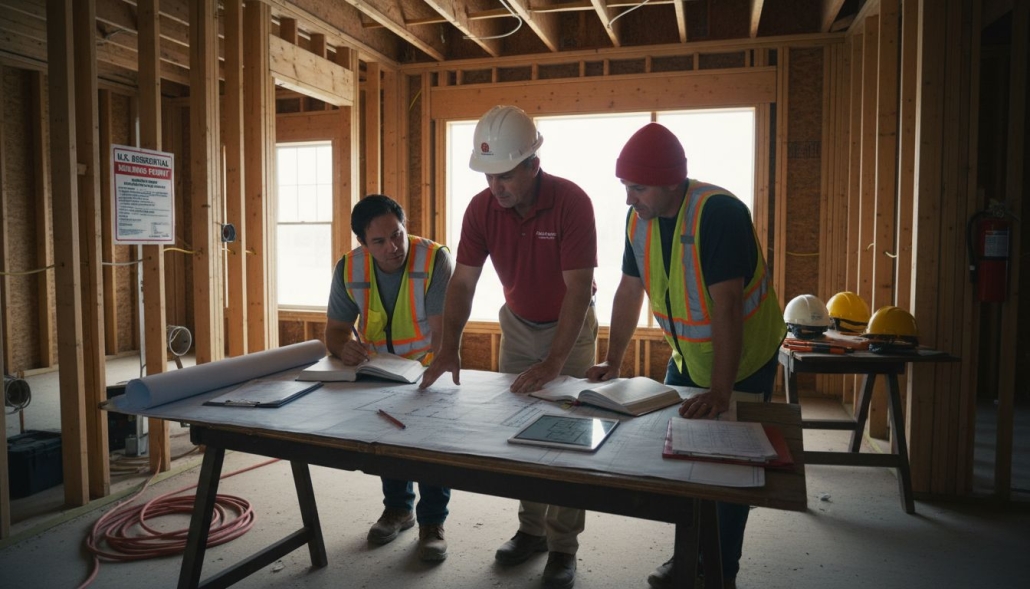
Complying with building codes is not just a legal requirement for any american project, it is a fundamental step toward safety and project success. Studies show that failing an inspection can delay construction by weeks and increase costs by thousands of dollars. Knowing how to tackle each stage of the process, from reviewing regulations to responding to inspector feedback, sets you up for a smoother approval. This guide makes the building inspection journey clear and manageable, with actionable steps for every american homeowner or contractor.
Table of Contents
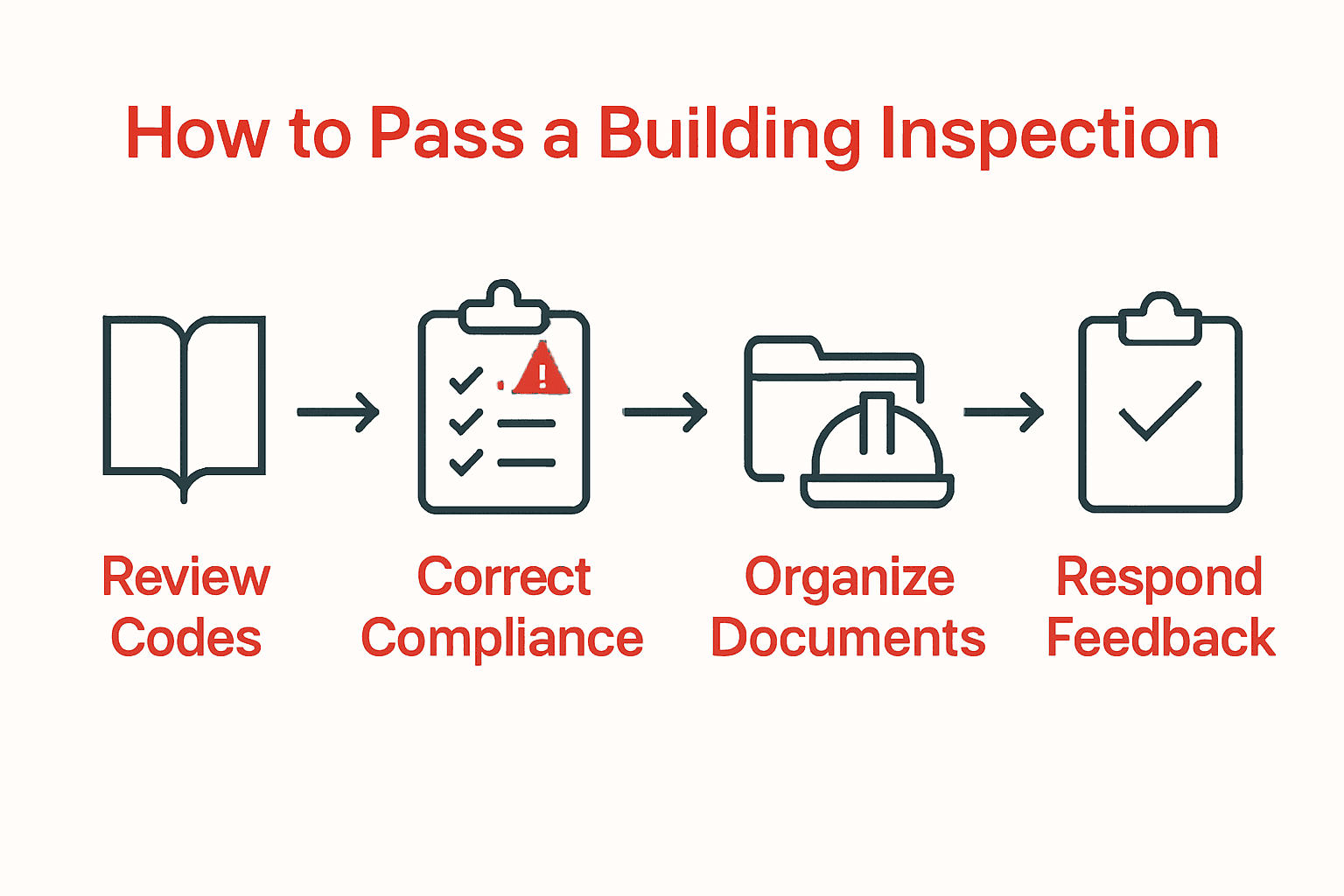
- Step 1: Review Building Codes And Permit Conditions
- Step 2: Address Compliance And Correct Violations
- Step 3: Organize Required Documentation And Plans
- Step 4: Schedule And Prepare For Inspection Day
- Step 5: Verify Completion And Address Inspector Feedback
Quick Summary
| Key Point | Explanation |
|---|---|
| 1. Review Local Building Codes | Start with the latest building codes from your municipal department to meet safety standards. |
| 2. Document Compliance Issues | Assess and document any potential violations to address them before inspection day. |
| 3. Organize Documentation Efficiently | Compile all necessary documents systematically to ensure easy access for inspectors on inspection day. |
| 4. Prepare Thoroughly for Inspection | Schedule inspections correctly and ensure all areas are clean and accessible for inspectors. |
| 5. Address Inspector Feedback Promptly | Review feedback carefully, prioritize responses to critical safety issues, and document corrections made. |
Step 1: Review Building Codes and Permit Conditions
Reviewing building codes and permit conditions is a critical first step in preparing for a successful building inspection. Understanding the regulatory landscape will help you align your project with local and national safety standards and minimize potential compliance issues.
According to the Congressional Research Service, building codes are established to protect public health, safety, and welfare by setting minimum requirements for building design, construction, and maintenance. When preparing for your inspection, start by obtaining the most recent version of local building codes from your municipal building department. These codes outline specific requirements for architectural, structural, mechanical, electrical, and plumbing systems.
FEMA’s Building Codes Enforcement Playbook emphasizes the importance of submitting complete permit applications with comprehensive documentation. This means gathering all necessary site plans, zoning approvals, and detailed drawings that demonstrate how your project meets each specific code requirement. Pay special attention to the nuanced details of your local building regulations, as even minor deviations can result in inspection failures.
Pro tip: Create a comprehensive checklist that cross-references your project plans with specific code requirements. This will help you identify and address potential compliance issues before the official inspection. Remember that thorough preparation is your best defense against unexpected complications during the review process.
Step 2: Address Compliance and Correct Violations
Addressing compliance issues and correcting potential violations is a crucial phase in preparing for a successful building inspection. Your goal is to identify and resolve any potential problems before the official review to ensure your project meets all required standards.
World Bank documents emphasize the importance of thoroughly assessing your project against existing building code provisions. This means carefully examining each aspect of your construction to identify potential structural or technical gaps that could trigger violations during inspection. Start by creating a detailed comparison checklist that maps your current project specifications against local building code requirements.
According to World Bank research, building code officials focus intensely on identifying and ensuring corrections that align with technical standards. This means you need to be proactive rather than reactive. Document every modification and correction you make, keeping detailed records that demonstrate your commitment to meeting regulatory requirements. Prioritize addressing any structural inconsistencies, safety concerns, or technical deviations that could potentially halt your inspection process.
Pro tip: Consider hiring a professional code compliance consultant who can provide an independent review of your project. Their expert perspective can help you identify and resolve potential violations before the official inspection, potentially saving you significant time and money in future corrections.
Step 3: Organize Required Documentation and Plans
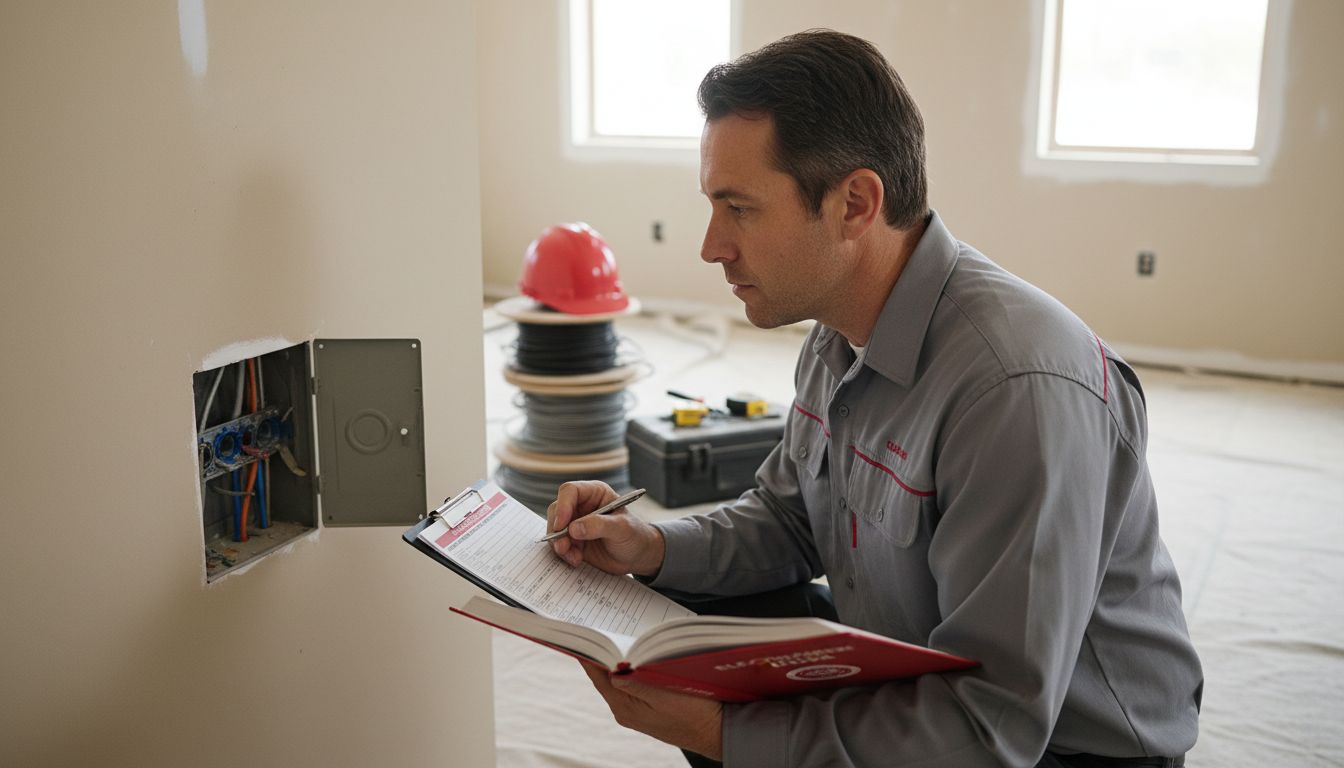
Organizing your documentation and plans is a critical step in preparing for a successful building inspection. Your goal is to compile a comprehensive and well-structured set of documents that demonstrates your project’s compliance with all relevant building codes and regulations.
FEMA’s Building Codes Enforcement Playbook emphasizes the importance of including comprehensive supporting documents in your permit application. This means gathering detailed site plans, zoning approvals, and extensive technical drawings that cover architectural, structural, mechanical, electrical, and plumbing systems. Create a master folder that includes all these critical documents, organized systematically to make review easy for inspectors.
According to Department of Planning guidelines, your application requires accurate and complete documentation. You will want to prepare online application forms with precision, ensuring every section is filled out thoroughly. Include all planning approval decision letters, supplementary technical reports, and any specific documentation requested by your local building authority. Check out our guide on how to prepare for engineering inspection for additional insights into creating a comprehensive documentation package.
Pro tip: Create both digital and physical copies of all documents. Use a consistent naming convention for digital files and keep them backed up in multiple locations.
This redundancy ensures you have instant access to critical information and protects against potential document loss.
Step 4: Schedule and Prepare for Inspection Day
Scheduling and preparing for your building inspection requires strategic planning and meticulous attention to detail. Your primary objective is to ensure a smooth and successful review that demonstrates your project meets all required building standards.
FEMA’s Building Codes Enforcement Playbook emphasizes the critical importance of clear communication between plan reviewers and inspectors. This means understanding the specific inspections required for your project and scheduling them at the appropriate stages of construction. Contact your local building department to confirm the exact sequence of required inspections and create a comprehensive timeline that allows sufficient preparation for each review.
According to the Congressional Research Service, building code enforcement involves carefully ensuring that structures conform to established standards. Consult our step-by-step guide to building inspections to understand the nuanced requirements of your specific project. On inspection day, prepare your site by ensuring all work areas are clean, organized, and easily accessible. Have all required documentation readily available, including permit documents, technical drawings, and completed checklists that demonstrate compliance with local building codes.
Pro tip: Schedule your inspections during typical working hours and assign a knowledgeable team member to be present during the entire process. This person should be prepared to answer technical questions, provide documentation, and address any immediate concerns raised by the inspector.
Step 5: Verify Completion and Address Inspector Feedback
Verifying project completion and addressing inspector feedback represents the final critical phase of your building inspection process. Your goal is to demonstrate full compliance and resolve any identified issues promptly and professionally.
FEMA’s Building Codes Enforcement Playbook emphasizes that permits should clearly outline the approved scope of work and provide a comprehensive list of required inspections. When the inspector provides feedback, carefully review each observation against the original permit requirements. Create a systematic action plan that addresses every concern, prioritizing structural and safety related issues first.
World Bank research highlights the importance of identifying and correcting critical gaps in building code provisions. Review our comprehensive building inspection guide for additional insights into navigating potential compliance challenges. Document every correction meticulously, taking dated photographs and maintaining detailed records of modifications made in response to the inspector’s recommendations.
Pro tip: Maintain a professional and collaborative attitude during the feedback process.
 Inspectors are partners in ensuring building safety, so approach their observations as opportunities for improvement rather than criticisms.
Expert Help to Pass Your Building Inspection With Confidence
Passing a building inspection can feel overwhelming when you are juggling building codes, permit requirements, and strict compliance standards. This guide highlights how missing key details in documentation or failing to address violations early can delay or derail your project. You want to avoid costly rework and ensure every technical aspect from architectural plans to plumbing meets local standards seamlessly.
Uncategorized Archives – Texas Structural Inspectors offers insights on inspection focus areas but partnering with professional engineers can truly ease your burden. At Florida Licensed Engineers, we provide comprehensive engineering services including blueprint preparation, permit expediting, inspections for residential and commercial projects, and civil engineering solutions like grading and flood analysis. Our expert team helps you organize documentation correctly, correct compliance gaps early, and prepares your site fully for inspection day.

Don’t risk inspection delays or penalties by going it alone. Start your path to a smooth building inspection now by consulting with seasoned engineers who understand every nuance of the code. Reach out to Florida Licensed Engineers for personalized support that transforms complexity into clarity. Your successful inspection is just one smart decision away.
Frequently Asked Questions
How can I prepare for a building inspection?
To prepare for a building inspection, review local building codes and permit conditions thoroughly. Gather all necessary documentation, including site plans and technical drawings, to ensure everything aligns with the required standards.
What should I do if I find compliance issues before the inspection?
If you find compliance issues, address and correct them immediately. Create a detailed comparison checklist of your project against local building code requirements to ensure everything is compliant before the inspection.
How do I organize my documentation for the building inspection?
Organize your documentation by creating a master folder that includes all relevant documents, including permit applications, technical drawings, and approval letters. Ensure that each document is systematically arranged to make it easy for inspectors to review.
What should I expect on the day of the building inspection?
On the day of the inspection, ensure your work site is clean and organized. Have all required documentation readily available and assign a knowledgeable team member to answer any questions raised by the inspector throughout the process.
How do I respond to feedback from the inspector?
To respond to feedback from the inspector, carefully review all observations and create a systematic action plan to address each concern. Prioritize resolving structural and safety-related issues as quickly as possible to ensure compliance.
Is it beneficial to hire a professional for code compliance?
Hiring a professional for code compliance can be very beneficial as they can provide an independent review of your project. This outside perspective can help identify and resolve potential violations before your official inspection, saving you time and money in future corrections.
Recommended
- Step-by-Step Guide to Building Inspections Success – FloridaLicensedEngineers.com
- Complete Guide to Building Inspection Services – FloridaLicensedEngineers.com
- Complete Guide to the Role of Inspections in Building – FloridaLicensedEngineers.com
- 7 Essential Items for a Building Inspection Checklist – FloridaLicensedEngineers.com
- Interior Signage Step by Step for Business Success –
- Remodeling Permit Guide DFW: Secure Approval Easily – Astrotech Construction


