
Complete Guide to the Role of Blueprints

Many american professionals rely on blueprints as more than just drawings, yet confusion still surrounds their true function. Over 80 percent of construction errors in the United States trace back to misinterpretation of technical diagrams. Understanding the real role and complexity of blueprints is essential for anyone involved in construction or design. This guide helps clarify what blueprints actually represent today, clears up common misconceptions, and highlights their critical importance in american building projects.
Table of Contents
- Defining Blueprint Role And Misconceptions
- Blueprint Types And Specialized Plans
- Blueprint Functions In Construction Projects
- Legal Permits And Compliance Role
- Digital Evolution And Collaboration Tools
- Risks, Costs, And Maintenance Relevance
Key Takeaways
| Point | Details |
|---|---|
| Blueprints as Technical Documents | Blueprints are essential technical documents that provide detailed specifications and instructions for construction projects, acting as a standardized language among professionals. |
| Misconceptions About Blueprints | Many people mistakenly view blueprints as rough sketches; they are actually precise documents that require engineering expertise and are legally binding. |
| Importance of Digital Evolution | Digital blueprints enhance collaboration and precision through tools like CAD, enabling real-time modifications and improved communication among project stakeholders. |
| Role in Legal Compliance | Blueprints serve as crucial legal documents that ensure compliance with building codes and standards, playing a vital role in obtaining necessary permits and avoiding disputes. |
Defining Blueprint Role And Misconceptions
Blueprints represent far more than simple drawings – they are precise technical documents that serve as the critical communication framework for design and construction projects. Originating in the 19th century with Sir John Herschel’s revolutionary contact print process, these detailed schematic representations have transformed how professionals translate conceptual ideas into tangible structures.
At their core, blueprints are comprehensive visual guides that communicate exact specifications, measurements, materials, and design intentions across multiple professional disciplines. Unlike casual sketches, blueprints provide engineers, architects, contractors, and builders a standardized language of technical communication. They capture intricate details about structural integrity, spatial relationships, mechanical systems, and construction sequences with remarkable precision.
Misconceptions about blueprints often stem from oversimplifying their complexity. Many people assume blueprints are merely rough drawings, when in reality they are meticulously crafted technical documents requiring advanced engineering knowledge. Residential project blueprints represent sophisticated planning tools that detail everything from foundation specifications to electrical wiring configurations. These documents aren’t just recommendations – they are legally binding instructions that dictate how a structure must be constructed to ensure safety, compliance, and functionality.
Key characteristics that distinguish professional blueprints include:
- Precise scaled measurements
- Multiple view perspectives (top, side, cross-sectional)
- Comprehensive material specifications
- Detailed mechanical and structural annotations
- Compliance with local building codes and regulations
Ultimately, blueprints transform abstract architectural concepts into actionable construction roadmaps, bridging imagination and physical reality with technical exactitude.
Blueprint Types And Specialized Plans
Blueprints have evolved significantly from their traditional white-and-blue print origins, now encompassing a diverse range of specialized technical documents designed for specific professional needs. Different engineering plan types demonstrate the complexity and precision required in modern design and construction disciplines.
Digital blueprints have revolutionized technical documentation, replacing traditional hand-drawn schematics with computer-aided design (CAD) technologies. Whiteprints and bluelines, once the standard in construction documentation, now coexist with advanced digital formats that offer unprecedented precision and easy modification. These modern blueprints can be categorized into several specialized types, each serving unique professional requirements.
Key blueprint categories include:
- Architectural Plans: Detailing building design, spatial layouts, and aesthetic considerations
- Structural Plans: Focusing on load-bearing elements, foundation specifications, and engineering integrity
- Mechanical Plans: Illustrating complex system configurations for HVAC, plumbing, and electrical systems
- Civil Engineering Plans: Addressing infrastructure, site development, and environmental considerations
- Service Blueprints: Mapping service delivery processes from customer interaction perspectives
Each blueprint type represents a specialized language of technical communication, translating complex design concepts into actionable, precise instructions. Service blueprint methodologies demonstrate how these documents can map intricate processes, identifying customer interactions, employee actions, and supporting systems with remarkable detail.

Understanding these specialized plan types is crucial for professionals across engineering, architecture, construction, and project management disciplines. They represent more than mere drawings – they are sophisticated communication tools that bridge conceptual design and practical implementation.
Blueprint Functions In Construction Projects
Blueprints are the critical backbone of construction project management, providing comprehensive visual communication that transforms abstract design concepts into actionable building instructions. As-built drawings represent the ultimate documentation of a project’s precise implementation, capturing every nuanced detail of the construction process.
Construction blueprints serve multiple essential functions that ensure project success and operational efficiency. Blueprints in construction projects provide detailed guides outlining precise specifications, dimensions, and material requirements that enable architects, engineers, and contractors to maintain a unified understanding of project objectives. These technical documents act as a universal language, bridging potential communication gaps between different professional disciplines involved in complex building endeavors.
Key functional aspects of blueprints in construction include:
- Precise spatial planning and dimensional accuracy
- Comprehensive material specification
- Structural integrity documentation
- Regulatory compliance verification
- Cost estimation and resource allocation
- Risk mitigation and safety planning
Beyond mere technical documentation, blueprints represent strategic roadmaps that translate conceptual design into physical reality. They meticulously detail structural elements, electrical configurations, plumbing systems, and environmental considerations, ensuring that every aspect of a construction project adheres to professional standards and client expectations.
The collaborative nature of blueprints cannot be overstated. They function as dynamic communication tools that facilitate seamless coordination among architects, engineers, contractors, and clients, transforming complex design concepts into tangible, executable building strategies. Each line, measurement, and annotation serves a critical purpose in translating imagination into structured, functional environments.
Legal Permits And Compliance Role
Blueprints serve a critical function in navigating the complex landscape of legal permits and regulatory compliance, acting as the primary documentation that demonstrates a project’s adherence to local, state, and federal building standards. Engineering inspections play a pivotal role in verifying that these blueprints meet all necessary legal requirements before, during, and after construction.
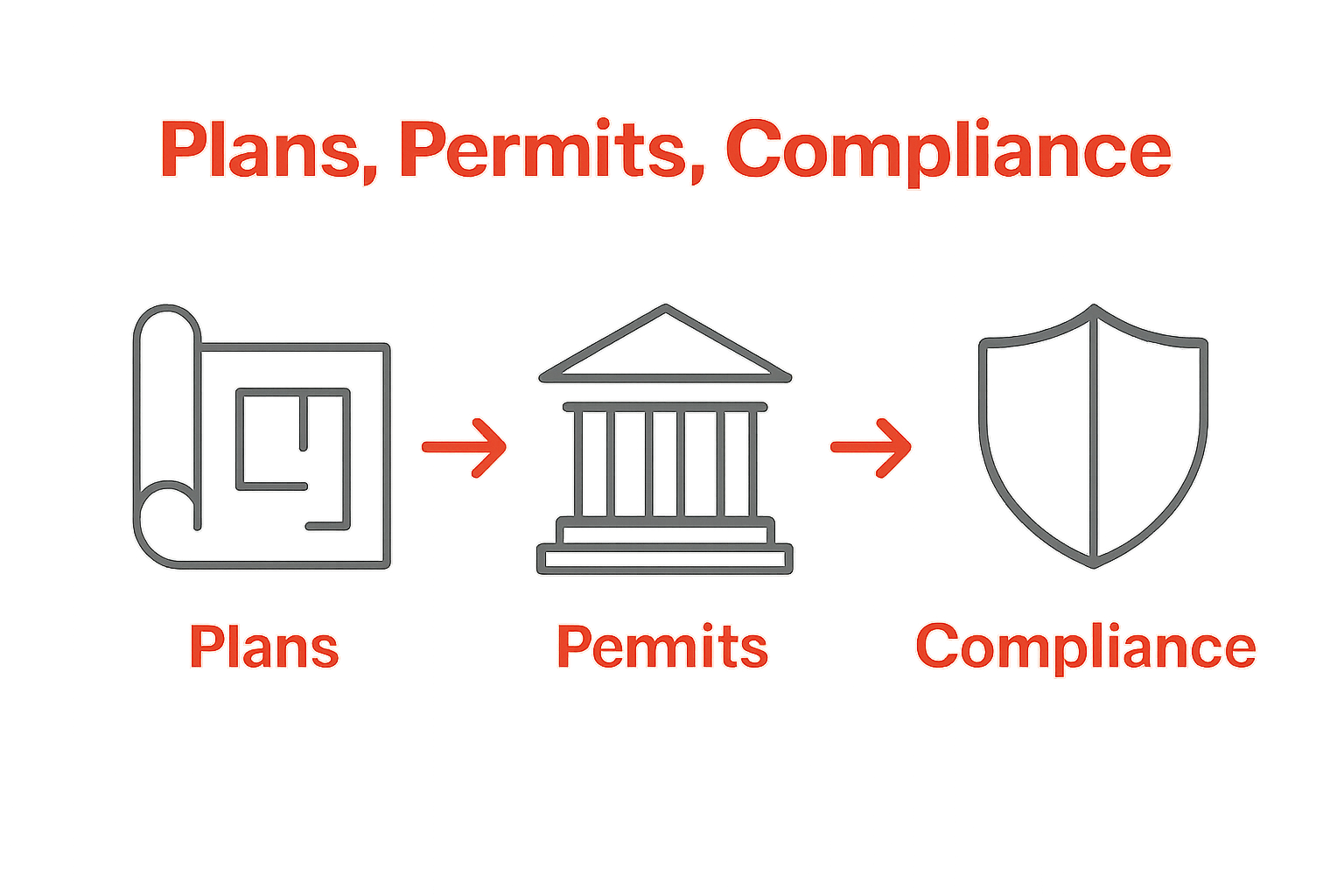
Permit compliance represents a multifaceted process where blueprints function as the foundational legal documents that validate a construction project’s legitimacy. These technical drawings must meticulously demonstrate alignment with zoning regulations, building codes, safety standards, and environmental guidelines. Each blueprint becomes a legally binding representation of proposed construction, requiring explicit approval from municipal authorities before any physical work can commence.
Key compliance components documented in blueprints include:
- Structural integrity specifications
- Zoning and land use regulations
- Safety and accessibility standards
- Environmental protection requirements
- Electrical and mechanical system codes
- Energy efficiency guidelines
- Fire safety and emergency egress provisions
The legal significance of blueprints extends beyond initial permitting. They serve as critical evidence in potential disputes, insurance claims, and regulatory investigations. Assessment blueprints demonstrate how precise documentation ensures comprehensive compliance by outlining exact specifications and meeting stringent regulatory standards.
Ultimately, blueprints are more than technical drawings – they are legal instruments that protect stakeholders, ensure public safety, and maintain the integrity of construction practices across diverse project types and scales.
Digital Evolution And Collaboration Tools
The digital transformation of blueprints has revolutionized how professionals conceptualize, design, and collaborate on complex projects across multiple disciplines. Computer-aided design (CAD) technologies have dramatically reshaped traditional blueprint creation, enabling unprecedented levels of precision, real-time modification, and seamless collaboration among project stakeholders.
Digital blueprint platforms represent more than technological upgrades – they are comprehensive collaborative ecosystems that fundamentally change how design professionals interact and develop complex projects. These advanced tools enable multiple team members to simultaneously access, annotate, and modify design documents, breaking down traditional communication barriers and dramatically reducing potential misunderstandings or errors that often plague complex construction and engineering initiatives.
Key features of modern digital collaboration tools include:
- Real-time document sharing and editing
- Cloud-based storage and version control
- Integrated communication channels
- Automatic design validation and compliance checks
- Cross-platform accessibility
- Advanced visualization and 3D rendering capabilities
- Granular permission management
Digital service blueprints extend beyond traditional design documentation, providing organizations with sophisticated visualization tools that map intricate processes and identify potential inefficiencies. These platforms transform blueprints from static documents into dynamic, interactive frameworks that capture the full complexity of design and implementation strategies.
The digital evolution of blueprints represents a profound shift in how professionals conceptualize, communicate, and execute complex projects. By integrating advanced technological capabilities with intuitive collaborative interfaces, these tools are redefining the boundaries of design, engineering, and project management across multiple industries.
Risks, Costs, And Maintenance Relevance
Blueprint maintenance represents a critical strategy for managing long-term structural risks and controlling ongoing project expenses. Accurate documentation serves as the foundational risk management tool that enables property owners, engineers, and facility managers to anticipate potential challenges and implement proactive maintenance strategies.
Cost management through blueprint documentation involves far more than simple record-keeping. These technical documents provide comprehensive insights into a structure’s original design, materials, and system configurations, enabling precise financial planning and strategic maintenance interventions. By maintaining meticulous blueprint records, professionals can dramatically reduce unexpected repair costs and extend the functional lifespan of buildings and infrastructure.
Key risk and maintenance considerations include:
- Structural integrity assessment
- System performance tracking
- Predictive maintenance scheduling
- Material degradation monitoring
- Renovation and retrofit planning
- Insurance and liability documentation
- Emergency response preparedness
Proficiency in blueprint interpretation directly correlates with an organization’s ability to minimize errors, reduce rework expenses, and maintain operational safety. Accurate blueprint reading enables maintenance teams to understand complex system interactions, identify potential failure points, and develop targeted intervention strategies that prevent costly infrastructure breakdowns.
Ultimately, blueprints transcend their initial design purpose, evolving into dynamic risk management tools that provide continuous value throughout a structure’s entire lifecycle. By capturing intricate details about design, materials, and system configurations, these documents become essential strategic assets for protecting financial investments and ensuring long-term structural performance.
Master Your Construction Project with Expert Blueprint Services
Navigating the complexities of blueprints—from precise architectural layouts to stringent permit compliance—can be overwhelming. Whether you face challenges in ensuring structural integrity, meeting regulatory standards, or managing project costs, our comprehensive engineering services are designed to turn your blueprint frustrations into clear, actionable plans. With expertise spanning architectural, structural, mechanical, electrical, and plumbing plans, we help you bridge the gap between design and reality while safeguarding your investment.

Ready to transform your project vision into a safe and compliant structure? Visit our engineering services to get professional blueprint development, meticulous inspections, and permitting expediting tailored to your residential or commercial needs. Don’t risk costly delays or compliance issues. Experience the precision and confidence that comes from partnering with seasoned experts in blueprint design and forensic investigation and reports. Take the next step toward seamless project success today.
Frequently Asked Questions
What are blueprints in construction?
Blueprints are detailed technical documents that serve as comprehensive visual guides for design and construction projects, communicating specifications, measurements, materials, and design intentions across various professional disciplines.
How do digital blueprints differ from traditional blueprints?
Digital blueprints utilize computer-aided design (CAD) technologies, allowing for precise, easily modifiable designs, collaboration among team members, and advanced visualization capabilities, whereas traditional blueprints were hand-drawn and less adaptable.
What functions do blueprints serve in construction projects?
Blueprints provide critical functions including precise spatial planning, comprehensive material specifications, documentation of structural integrity, regulatory compliance, cost estimation, and risk mitigation to ensure successful project execution.
Why are blueprints important for legal permits and compliance?
Blueprints are essential for legal permits as they demonstrate a project’s adherence to zoning laws, building codes, safety standards, and environmental guidelines, and serve as legally binding documents that must be approved before construction begins.
Recommended
- Complete Guide to Blueprints for Residential Projects – FloridaLicensedEngineers.com
- Architectural Plans Explained: Complete Guide for 2025 – FloridaLicensedEngineers.com
- The Function As-Built Drawings Guide | Expert Engineers
- Architectural Plans vs Structural Plans Explained – FloridaLicensedEngineers.com


