
What Is Civil Engineering and Why It Matters
Most American homeowners in Florida face growing concerns about property damage as extreme rainfall events become more frequent. Understanding the principles of civil engineering is essential when planning residential projects, especially for those tackling drainage and flood mitigation. This guide helps you grasp the core functions and benefits of civil engineering so you can make smarter decisions that protect your home and investment.
Table of Contents
- Defining Civil Engineering and Its Core Functions
- Key Civil Engineering Types for Residential Projects
- Critical Role of Drainage and Flood Mitigation
- Site Planning, Permitting, and Compliance Essentials
- Risks, Costs, and Common Pitfalls to Avoid
Key Takeaways
| Point | Details |
|---|---|
| Importance of Civil Engineering | Civil engineering is essential for creating and maintaining infrastructure that supports society, requiring a blend of technical expertise and strategic planning. |
| Role of Specialized Disciplines | Key areas within civil engineering, like structural and environmental engineering, are crucial for ensuring safe and efficient residential projects. |
| Drainage and Flood Mitigation | Effective drainage systems are critical for water management and flood prevention in residential developments, integrating advanced engineering techniques. |
| Risk Management Essentials | Comprehensive risk management strategies are necessary to identify and mitigate potential hazards during residential construction projects, ensuring safety and financial protection. |
Defining Civil Engineering and Its Core Functions
Civil engineering is a powerful professional discipline that transforms our physical world by designing, constructing, and maintaining critical infrastructure systems. At its core, civil engineering encompasses the strategic planning and execution of projects that support human society, from transportation networks to water management systems.
The discipline spans multiple specialized areas, including structural, transportation, environmental, geotechnical, and water resources engineering. Civil engineers apply advanced mathematical and physical principles to solve complex infrastructure challenges. They design everything from residential buildings and bridges to massive public works projects like airports, dams, and utility networks that support entire communities. These professionals play a crucial role in creating sustainable, safe, and efficient built environments.
Civil engineers work across diverse settings – from urban centers to remote locations – analyzing site conditions, developing detailed technical plans, managing construction processes, and ensuring long-term infrastructure performance and safety. Their work requires a sophisticated blend of technical expertise, problem-solving skills, and strategic planning to address complex engineering challenges while meeting stringent regulatory requirements.
Pro tip: When considering infrastructure projects, always consult a licensed civil engineer who understands local environmental conditions and regulatory landscape.
Key Civil Engineering Types for Residential Projects
Residential civil engineering is a specialized discipline focusing on creating safe, functional, and efficient housing solutions. Residential engineering integrates multiple technical disciplines to address the complex challenges of home construction and development, ensuring homes meet stringent safety and performance standards.
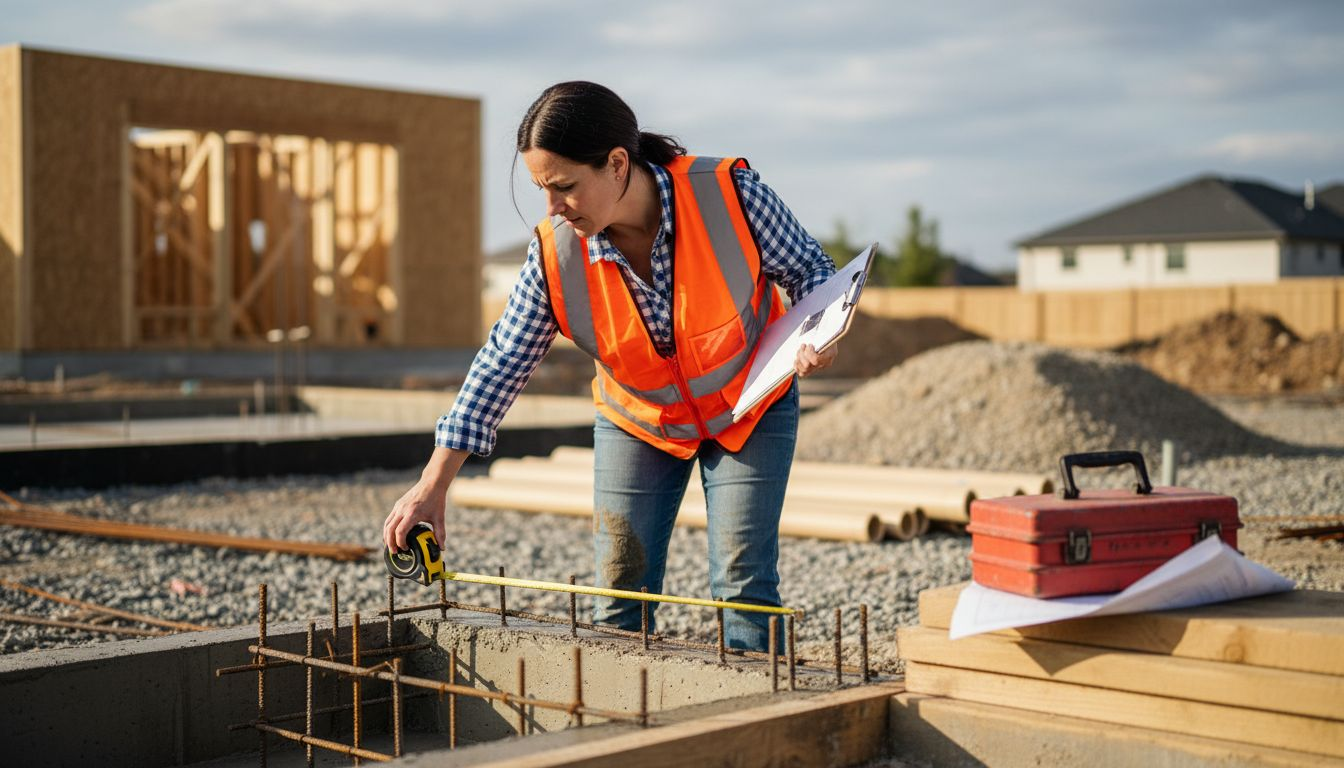
The primary types of civil engineering for residential projects include structural engineering, which analyzes building load capacities and designs foundation systems; geotechnical engineering, which evaluates soil conditions and determines site suitability; and environmental engineering, which assesses potential ecological impacts and ensures sustainable development. These specialized branches work together to develop comprehensive engineering methods tailored to both conventional and innovative residential construction approaches.
Each residential engineering type serves a critical function: structural engineers calculate building loads and design support systems, geotechnical experts investigate underground conditions to prevent potential foundation failures, and environmental engineers ensure projects minimize ecological disruption. Site grading, drainage planning, utility design, and comprehensive risk assessment are integral components that guarantee residential developments are safe, resilient, and compliant with local building codes.
Below is a quick comparison of the main residential civil engineering specialties and their significance:
| Discipline | Main Focus | Typical Tasks |
|---|---|---|
| Structural Engineering | Building support systems | Foundation design, load analysis |
| Geotechnical Engineering | Assess soil/site suitability | Soil testing, foundation recommendations |
| Environmental Engineering | Minimize ecological impacts | Drainage, pollution prevention |
Pro tip: Always engage a licensed civil engineer who specializes in residential projects to conduct thorough site investigations before beginning any construction work.
Critical Role of Drainage and Flood Mitigation
Drainage engineering is a critical component of residential civil engineering, addressing the complex challenges of water management and flood prevention. Stormwater management strategies have become increasingly important as urbanization and climate changes intensify flood risks for residential properties, requiring sophisticated engineering solutions to protect homes and communities.
Modern flood mitigation approaches incorporate a diverse range of techniques, including green infrastructure and advanced drainage systems. These methods range from innovative solutions like rain gardens and permeable pavements to comprehensive drainage planning that considers site-specific environmental conditions. Effective flood risk management requires integrating multiple engineering strategies, including detailed risk analysis, sustainable drainage systems, and property-level resilience techniques.
Engineers employ sophisticated techniques to manage water flow, prevent erosion, and protect residential structures from potential water damage. This includes analyzing topographical features, designing complex drainage networks, implementing retention systems, and creating comprehensive flood mapping strategies. The goal is to ensure that residential developments can withstand extreme weather events while maintaining environmental sustainability and protecting property investments.
Pro tip: Consult a professional civil engineer to conduct a comprehensive drainage assessment before finalizing any residential construction plans.
Site Planning, Permitting, and Compliance Essentials
Site planning represents a critical phase in residential development where civil engineers transform conceptual designs into legally compliant, structurally sound project blueprints. Civil engineering standards guide site design, ensuring that infrastructure layouts meet rigorous safety, reliability, and sustainability requirements, while navigating complex regulatory landscapes.
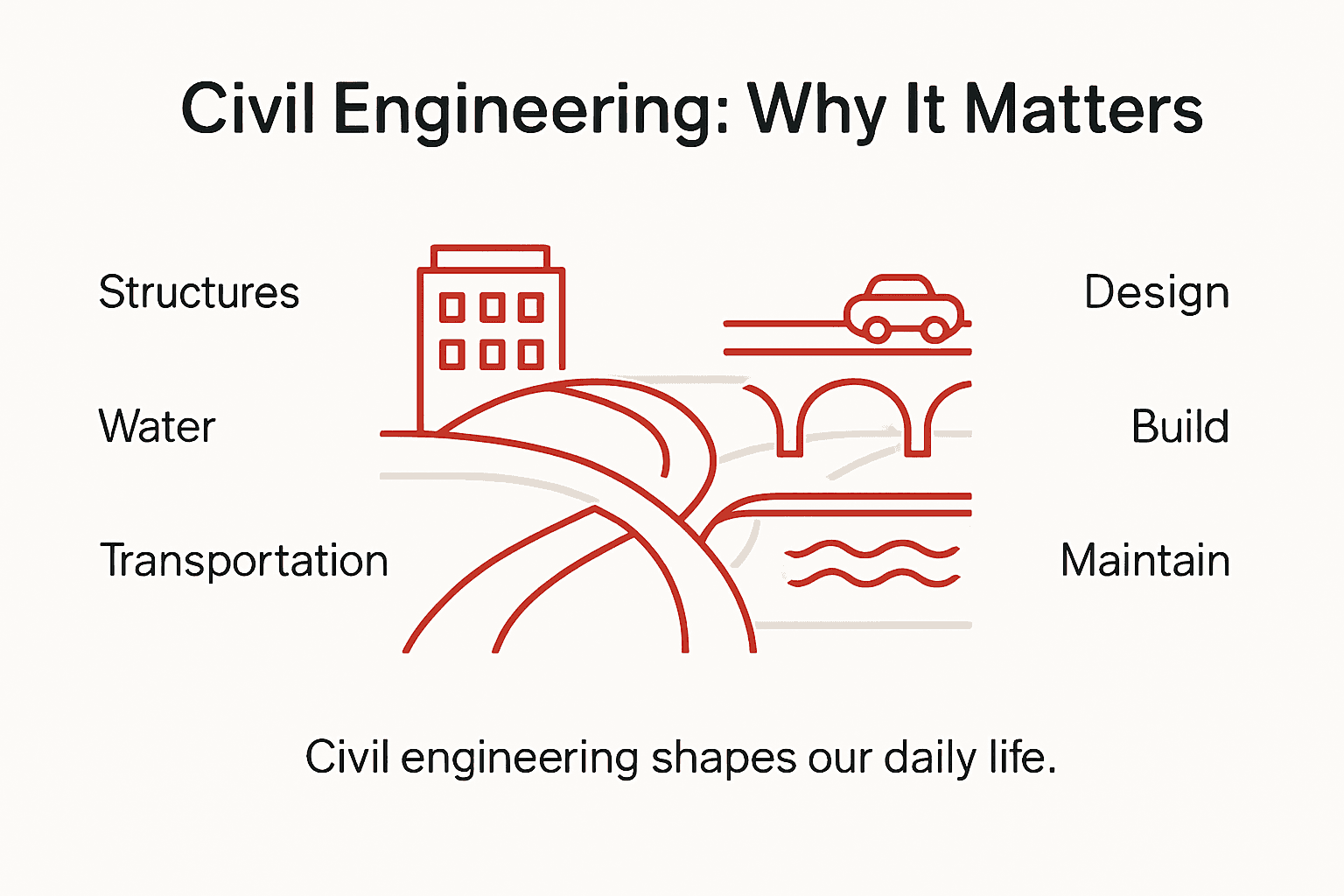
The permitting process involves multiple layers of documentation and approval, requiring meticulous attention to environmental regulations, zoning restrictions, and technical specifications. Comprehensive permitting strategies include developing detailed stormwater management plans, environmental protection protocols, and thorough documentation that meets federal, state, and local regulatory standards, demonstrating compliance at every project stage.
Successful site planning demands a systematic approach that integrates technical expertise with regulatory knowledge. Engineers must analyze topographical conditions, assess environmental impacts, design infrastructure networks, and create comprehensive documentation that satisfies local building codes. This intricate process ensures that residential developments are not only structurally sound but also environmentally responsible and legally compliant.
Pro tip: Always maintain detailed project documentation and consult with local permitting authorities early in the planning process to streamline approvals and prevent potential compliance issues.
Risks, Costs, and Common Pitfalls to Avoid
Construction risk management is a complex process that requires comprehensive understanding and strategic planning to protect both financial investments and human safety. Residential construction projects face numerous hazards, including fall risks, electrical safety challenges, manual handling injuries, and environmental exposure concerns, demanding proactive and systematic risk mitigation strategies.
Effective risk management involves systematically identifying, quantifying, and addressing commercial, technical, and environmental risks throughout the project lifecycle. This process includes four primary risk management approaches: risk avoidance, risk reduction, risk transfer, and risk retention. Each strategy requires careful analysis of potential financial impacts, safety concerns, and long-term project sustainability.
Common pitfalls in residential civil engineering include inadequate site investigations, poor drainage planning, insufficient structural assessments, and overlooking local regulatory requirements. These oversights can lead to significant financial losses, structural compromises, and potential legal complications. Successful project management demands meticulous documentation, continuous risk assessment, and a proactive approach to identifying and mitigating potential challenges before they escalate.
The table summarizes common residential construction risks, their effects, and proactive prevention tips:
| Risk Type | Potential Impact | Prevention Strategy |
|---|---|---|
| Poor site investigation | Foundation failures | Conduct thorough soil analysis |
| Inadequate drainage | Flooding and water damage | Implement advanced drainage planning |
| Overlooking regulations | Legal or financial penalties | Review codes and consult authorities |
Pro tip: Invest in comprehensive project risk assessments and maintain a detailed contingency budget to address unexpected challenges during residential construction projects.
Unlock the Full Potential of Your Civil Engineering Projects Today
Understanding the critical role of civil engineering in creating safe and resilient infrastructure is the first step toward successful residential or commercial development. If you are facing challenges related to drainage, flood mitigation, site planning, or regulatory compliance, our expert team can help eliminate these pain points to safeguard your investment and ensure long-term stability. Civil engineering concepts like grading, utility design, and no rise certificates demand precise execution and detailed knowledge—areas where our licensed engineers excel.

Take control of your construction journey now by partnering with experienced professionals who offer comprehensive civil engineering solutions. From initial inspections and blueprint creation to advanced flood analysis and permitting expediter services, we provide everything necessary for a smooth project rollout. Discover how our services align perfectly with your needs by visiting Florida Licensed Engineers and explore valuable resources in the Uncategorized Archives – Connecticut Licensed Engineers and Uncategorized Archives – New Jersey Licensed Engineers. Don’t wait until problems arise. Contact us today to schedule your consultation and secure your project’s future success.
Frequently Asked Questions
What is civil engineering?
Civil engineering is a professional discipline that focuses on designing, constructing, and maintaining infrastructure systems essential for human society, including transportation networks, water management systems, and residential buildings.
What are the main types of civil engineering?
The main types of civil engineering include structural, transportation, environmental, geotechnical, and water resources engineering, each addressing specific infrastructure challenges and ensuring safety and sustainability in construction.
How does drainage engineering contribute to residential projects?
Drainage engineering is crucial for residential projects as it manages stormwater and flood risks, integrating techniques like green infrastructure and advanced drainage systems to protect homes and ensure effective water management.
Why is site planning important in civil engineering?
Site planning is important because it transforms conceptual designs into legally compliant project blueprints, ensuring that infrastructure layouts meet safety, reliability, and sustainability standards while navigating regulatory requirements.
Recommended
- Civil Engineering Basics: Everything You Need to Know – FloridaLicensedEngineers.com
- Role of Civil Engineer in Construction Explained – FloridaLicensedEngineers.com
- Civil Engineering Terms – What Every Project Needs – FloridaLicensedEngineers.com
- Why Hire an Engineering Firm: Complete Expert Guide – FloridaLicensedEngineers.com


