
Residential Permitting: Why Homeowners Must Comply

Most American homeowners are surprised to learn that a permit only confirms minimum local requirements have been met, not that their project is flawless or guaranteed by inspectors. This misunderstanding can lead to costly mistakes and legal headaches for families taking on renovations or new builds. Navigating the world of residential permitting is vital for protecting property investments and staying compliant, so knowing what permits really cover will help you sidestep common myths and avoid risk.
Table of Contents
- Defining Residential Permitting And Common Myths
- Types Of Residential Permits Required
- How The Permitting Process Works
- Legal Requirements And Building Codes
- Risks, Costs, And Avoiding Permit Issues
Key Takeaways
| Point | Details |
|---|---|
| Understanding Residential Permitting | Residential permitting is essential for legal compliance in construction or renovation projects, ensuring safety, zoning compliance, and community standards. |
| Myth about Permits | Homeowners often mistakenly believe permits guarantee construction quality, while they primarily confirm fee payment and basic regulatory adhearance. |
| Types of Residential Permits | Various permits exist for construction, including New Construction, Renovation, Electrical, and Plumbing, each addressing specific safety and compliance aspects. |
| Importance of Documentation | Maintaining organized records of all permit-related communications is critical to ensure compliance and avoid future legal complications. |
Defining Residential Permitting and Common Myths
Residential permitting represents a critical administrative process where homeowners obtain official authorization from local government agencies to construct, modify, or renovate residential structures. When planning home improvements or new construction, understanding this process is essential for legal compliance and avoiding potential penalties.
Many homeowners mistakenly believe that building permits are comprehensive guarantees of construction quality. However, permits primarily indicate that required fees have been paid and basic regulatory requirements are met, not that the work is completely defect-free or fully code-compliant. This misconception can lead to significant misunderstandings about the scope and purpose of residential permitting.
The primary objectives of residential permitting include ensuring structural safety, verifying zoning compliance, maintaining community standards, and protecting public health. Permits require homeowners to submit detailed plans that demonstrate adherence to local building codes, which address critical aspects like:
- Structural integrity and load-bearing requirements
- Electrical and plumbing system standards
- Energy efficiency specifications
- Fire safety regulations
- Accessibility considerations
Pro Tip for Homeowners: Always consult with a licensed local engineer or building professional before starting any significant home renovation project to understand specific permitting requirements and potential complexities in your specific jurisdiction.
Types of Residential Permits Required
Residential construction and renovation projects require multiple specialized permit types to ensure safety, compliance, and proper documentation. Building permit statistics reveal the complex landscape of residential construction authorization, highlighting the intricate regulatory processes homeowners must navigate.
The most common residential permit types include:
- New Construction Permits: Required for entirely new residential structures, covering comprehensive building plans and site specifications
- Renovation Permits: Necessary for significant structural modifications, room additions, or major home upgrades
- Electrical Permits: Mandatory for any electrical system installations, rewiring, or significant electrical modifications
- Plumbing Permits: Essential for installing, replacing, or modifying home plumbing systems
- Mechanical Permits: Covering HVAC installations, replacements, and substantial system modifications
- Structural Modification Permits: Required for changes affecting the home’s fundamental structural integrity
Understanding these permit categories is crucial because each addresses specific aspects of residential construction and renovation. Residential engineering requirements play a critical role in determining the precise documentation and approvals needed for different project types.
Here’s a summary comparing common types of residential permits:
| Permit Type | Typical Use Case | Key Approval Focus |
|---|---|---|
| New Construction | Entirely new homes | Comprehensive site and design review |
| Renovation | Major upgrades or additions | Structural changes and zoning checks |
| Electrical | System install or rewiring | Safety and code compliance |
| Plumbing | New or modified piping | Water, sewage, and drainage review |
| Mechanical | HVAC changes | Ventilation and energy systems |
| Structural Modification | Load-bearing changes | Foundation and frame integrity |
Local jurisdictions often have unique permit requirements, making it essential for homeowners to consult with municipal building departments or licensed engineering professionals who understand specific regional regulations.
Pro Tip for Homeowners: Always obtain written permit documentation before commencing any home improvement project and maintain comprehensive records of all approved permits to prevent potential legal complications during future property transactions.
How the Permitting Process Works
Administrative barriers and complex regulatory processes characterize the residential permitting journey, requiring homeowners to navigate a multifaceted system of governmental approvals and documentation requirements. This intricate process involves multiple stages designed to ensure construction safety, zoning compliance, and community standards.
The typical residential permitting process unfolds through several key stages:
- Initial Application Submission
- Prepare comprehensive project plans
- Gather required documentation
- Complete official permit application forms
- Plan Review and Assessment
- Municipal officials thoroughly examine submitted plans
- Verify compliance with local building codes
- Assess structural and safety requirements
- Technical Review
- Engineering professionals evaluate technical specifications
- Check structural integrity
- Confirm adherence to zoning regulations
- Approval and Issuance
- Permit approved or requests for modifications issued
- Fee payment processed
- Official permit documentation generated
Research indicates that empirical models of residential building permits demonstrate significant variation in processing times and approval rates, emphasizing the importance of thorough preparation and understanding local regulatory nuances.
Homeowners should anticipate potential delays and complexities, recognizing that each jurisdiction maintains unique requirements and assessment protocols. Successful navigation demands patience, meticulous documentation, and often professional guidance from licensed engineers or architects familiar with local regulatory landscapes.
Pro Tip for Homeowners: Compile a comprehensive documentation folder before submitting your permit application, including detailed project plans, site surveys, structural drawings, and any additional technical specifications to streamline the review process and minimize potential complications.
Legal Requirements and Building Codes
Building codes represent critical legal requirements designed to protect public safety and ensure structural integrity, establishing mandatory standards that homeowners must meticulously follow during any construction or renovation project. These regulations are not optional suggestions but legally binding frameworks that carry significant consequences for non-compliance.
Building codes encompass comprehensive requirements across multiple critical domains:
- Structural Integrity: Specifications for foundation, framing, and load-bearing elements
- Electrical Safety: Standards for wiring, circuit design, and electrical system installation
- Plumbing Systems: Regulations governing water supply, drainage, and sewage connections
- Fire Protection: Requirements for fire-resistant materials and emergency exit provisions
- Energy Efficiency: Guidelines for insulation, window installations, and thermal performance
- Accessibility: Mandates for creating spaces usable by individuals with disabilities
Local jurisdictions typically adopt specific building codes that may vary slightly from national standards, making it essential for homeowners to understand their specific regional requirements. Building inspection guides can provide valuable insights into navigating these complex regulatory landscapes.
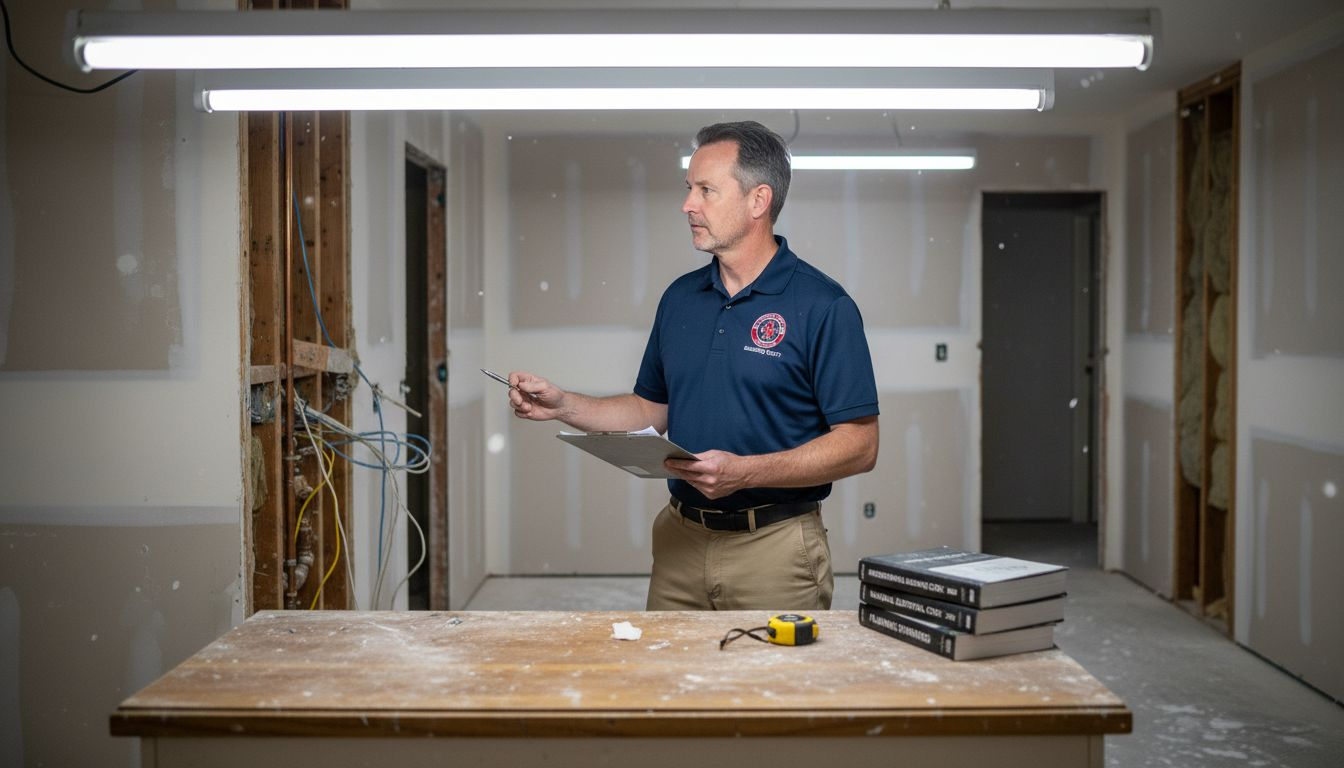
Non-compliance with building codes can result in severe consequences, including potential legal actions, monetary fines, required remediation, and complications with property insurance or future sales. Homeowners may be required to demolish non-compliant structures or perform expensive retroactive modifications to meet established standards.
Pro Tip for Homeowners: Consult with a licensed local engineer or building inspector before commencing any construction project to ensure complete alignment with current building codes and avoid potential legal and financial complications.
Risks, Costs, and Avoiding Permit Issues
Navigating the complex landscape of building permits involves understanding significant financial and legal risks that can potentially derail home improvement projects. Homeowners often underestimate the potential complications arising from improper permit management, which can result in substantial unexpected expenses and legal challenges.
Key risks associated with permit non-compliance include:
- Financial Penalties: Substantial fines for unpermitted work
- Legal Complications: Potential stop-work orders and mandatory project reversal
- Insurance Challenges: Potential denial of claims related to unpermitted modifications
- Property Value Impacts: Reduced marketability during future sales
- Retroactive Modification Costs: Expensive remediation requirements
Regulatory barriers can significantly increase housing development costs and administrative complexities, creating additional challenges for homeowners attempting to navigate the permitting process. These barriers often involve multiple agency interactions, extensive documentation requirements, and potentially prolonged review periods.
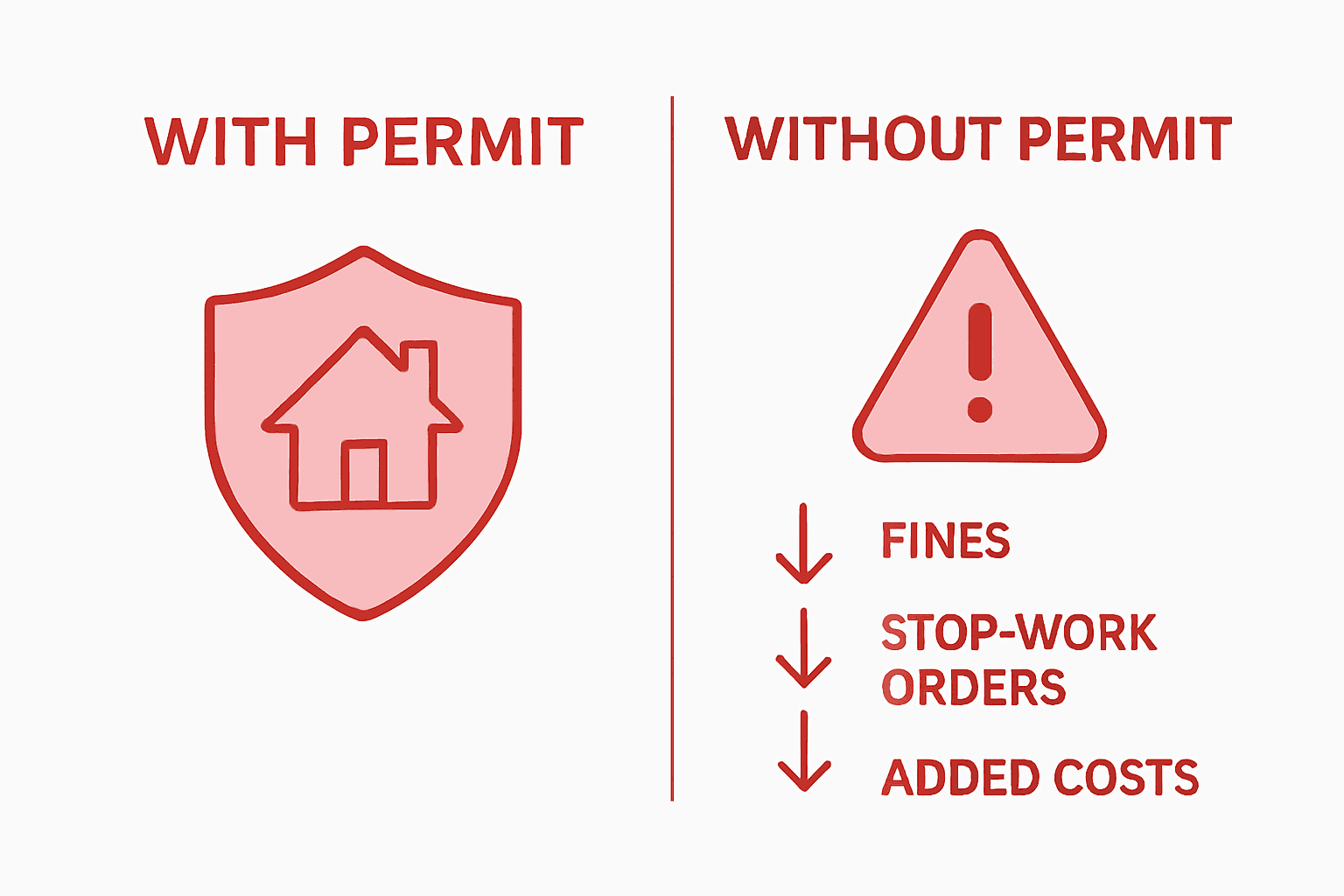
Typical Cost Implications of Permit Issues:
The following table summarizes typical consequences of permit non-compliance versus proper compliance:
| Compliance Status | Legal Risks | Financial Impact |
|---|---|---|
| Properly Permitted | Minimal, with rare disputes | Lower, only standard costs |
| Unpermitted Work | Stop-work orders, fines, lawsuits | Elevated fines, costly fixes |
| Code Non-Compliance | Demolition or major repairs | High remediation costs |
- Minor permit violations: $500 – $5,000 in fines
- Significant code violations: $5,000 – $50,000 in remediation and legal costs
- Severe non-compliance: Potential project shutdown and complete reconstruction requirements
How to pass building inspection processes becomes crucial in mitigating these risks, emphasizing the importance of thorough preparation and professional guidance throughout the permitting journey.
Pro Tip for Homeowners: Maintain meticulous documentation of all permit-related communications, submissions, and approvals, creating a comprehensive record that can protect you from potential future disputes and demonstrate your commitment to regulatory compliance.
Ensure Your Residential Project Meets Every Permit Requirement with Expert Engineering Support
Navigating the complexities of residential permitting requires more than just understanding the rules. From securing building permits to passing rigorous inspections and meeting local building codes your project demands precise engineering and professional guidance to avoid costly legal risks and penalties. If you face challenges with structural plans or require expert input on electrical, mechanical, or plumbing permits our specialized services can help streamline this daunting process.

Partner with us at Florida Licensed Engineers to gain access to comprehensive architectural, structural, mechanical, and plumbing plans backed by authoritative expertise. Our team also offers thorough building inspection guides and permitting expediter services ensuring your applications meet every technical requirement quickly and correctly. Avoid delays and costly errors by consulting with us today. Visit Florida Licensed Engineers now and take the first step toward smooth permitting compliance and peace of mind.
Frequently Asked Questions
What is residential permitting and why is it important?
Residential permitting is the process through which homeowners obtain authorization from local government agencies to construct, modify, or renovate residential structures. It is important to ensure compliance with safety standards, zoning regulations, and community guidelines, preventing potential legal penalties.
What types of permits are commonly required for residential construction?
Common types of residential permits include new construction permits, renovation permits, electrical permits, plumbing permits, mechanical permits, and structural modification permits. Each type focuses on specific aspects of the construction or renovation project.
How does the residential permitting process work?
The residential permitting process typically involves several key stages: initial application submission, plan review and assessment, a technical review, and finally, approval and issuance of the permit. Homeowners must compile detailed project plans and documentation.
What are the risks of not obtaining the proper permits?
Not obtaining the proper permits can lead to financial penalties, legal complications, insurance challenges, and decreased property value. Homeowners may also face costly remediation requirements if construction work is found to be non-compliant with regulations.
Recommended
- Residential Engineering Requirements: Complete Guide – FloridaLicensedEngineers.com
- Residential Engineering: Complete Guide to Its Role – FloridaLicensedEngineers.com
- Complete Guide to Blueprints for Residential Projects – FloridaLicensedEngineers.com
- What Is Residential Engineering and Why Texas Homes Rely on It – Texas Licensed Engineers | Residential & Commercial


