
Electrical Plans Process for Florida Construction Success

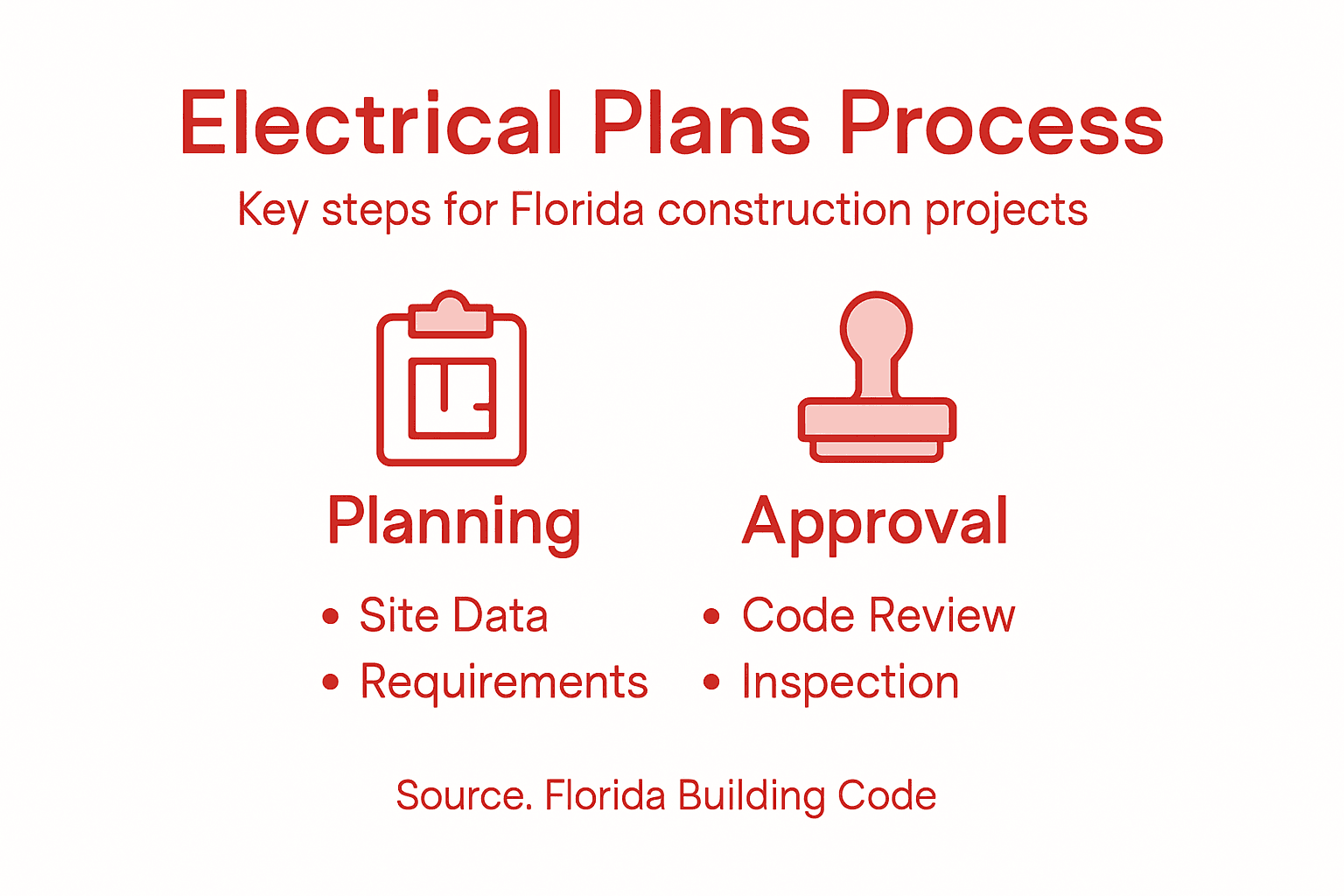
Every construction project in Florida faces a maze of local code requirements before breaking ground. Getting electrical plans right from the start is vital for smooth permitting and reliable system functionality. This guide walks contractors through each step of the process, from gathering precise site data to submitting digitally sealed documents, highlighting best practices for creating detailed electrical layouts that meet the Florida Building Code and National Electrical Code.
Table of Contents
- Step 1: Gather Project Requirements And Site Data
- Step 2: Develop Detailed Electrical Layouts
- Step 3: Coordinate With Code And Permitting Standards
- Step 4: Review For Compliance And Accuracy
- Step 5: Submit Plans For Approval And Inspection
Quick Summary
| Essential Insight | Detailed Explanation |
|---|---|
| 1. Thorough Site Surveys Are Crucial | Conduct comprehensive surveys to document the existing conditions and constraints for precise electrical planning. |
| 2. Engage Stakeholders Early | Meet with property owners and contractors to gather specific electrical needs and budget constraints from the start. |
| 3. Ensure Code Compliance | Align electrical layouts with Florida’s building and electrical codes to avoid delays and ensure safety. |
| 4. Conduct an Independent Review | Utilize peer reviews to verify accuracy and compliance, identifying overlooked issues for better project outcomes. |
| 5. Digital Documentation Streamlines Process | Use digital submissions and tracking systems to enhance efficiency during the approval process and reduce delays. |
Step 1: Gather project requirements and site data
Successful electrical planning for Florida construction projects begins with comprehensive requirement gathering and site data collection. This critical first step ensures you have accurate information to develop precise electrical plans that meet local building codes and project specifications.
Start by conducting a thorough site survey to document existing conditions. This involves physically inspecting the property and meticulously recording details such as:
- Current electrical infrastructure
- Building dimensions and layout
- Potential obstructions or challenges
- Proximity to utility connections
- Soil conditions and terrain characteristics
Meanwhile, simultaneously engage with project stakeholders to collect detailed requirements. Schedule meetings with the property owner, general contractor, and any specialized consultants to discuss:
- Specific electrical system needs
- Power consumption requirements
- Future expansion possibilities
- Budget constraints
- Unique project specifications
Accurate initial data collection can prevent costly redesigns and delays later in the construction process.
During these discussions, document every requirement systematically. Use digital forms or specialized project management software to track and organize the information. This approach helps create a comprehensive reference point for your electrical design team.
Pro tip: Always verify site data through multiple sources, including municipal records, utility company information, and on-site measurements to ensure maximum accuracy and minimize potential discrepancies.
Step 2: Develop detailed electrical layouts
With your project requirements and site data collected, the next crucial phase involves creating comprehensive electrical layouts that meet Florida’s stringent building and electrical codes. Detailed electrical schematics require precision and systematic planning to ensure safety, functionality, and regulatory compliance.
Begin by developing comprehensive electrical diagrams that map out every critical component of the electrical system. These layouts must include:
- Precise wiring services and configurations
- Complete feeder and branch circuit designs
- Detailed grounding and overcurrent protection specifications
- Emergency system integration points
- Communication infrastructure pathways
Each diagram should methodically document:
- Exact equipment locations
- Precise wiring sizes and routes
- Junction box placements
- Comprehensive panel schedules
- Motor and electrical load ratings
Electrical layouts are not just technical documents but critical blueprints that determine project safety and functionality.
Utilize advanced design software to create clear electrical schematics that provide contractors and inspectors with unambiguous installation guidelines. Consider future expansion possibilities and ensure your design accommodates potential system upgrades.

Pro tip: Cross-reference your electrical layouts with HVAC, fire safety, and structural plans to identify potential conflicts and optimize system integration before final submission.
Step 3: Coordinate with code and permitting standards
Navigating Florida’s complex electrical permitting landscape requires meticulous attention to regulatory requirements and precise documentation. Digital sealed drawings are crucial for ensuring your project meets all necessary compliance standards.
To successfully coordinate with local building codes, you’ll need to focus on several critical elements:
- Complete Florida Building Code alignment
- National Electrical Code compliance
- Comprehensive documentation preparation
- Detailed load calculation verification
- Systematic review of special project requirements
Your permit submission must include comprehensive technical documentation that demonstrates:
- Precise wiring method specifications
- Grounding system details
- Overcurrent protection mechanisms
- Emergency system configurations
- Detailed panel schedule breakdowns
Strict adherence to permitting guidelines prevents costly project delays and ensures smooth inspection processes.
Ensure all documentation is prepared by a licensed engineer or architect who understands the nuanced requirements of Florida’s electrical regulations. Pay special attention to project-specific features that might require additional scrutiny from local authorities.
Pro tip: Schedule a preliminary review with local permitting officials to identify potential compliance issues before your final submission, saving time and reducing the risk of rejection.
Step 4: Review for compliance and accuracy
The final stage of your electrical planning process demands a meticulous and comprehensive review to ensure every aspect of your project meets professional standards and regulatory requirements. Systematic verification becomes your most critical tool for preventing potential issues and guaranteeing project success.
Develop a comprehensive review checklist that covers the following essential elements:
- Cross-reference electrical layouts with architectural plans
- Verify load calculation accuracy
- Confirm equipment compatibility
- Check voltage drop calculations
- Validate protective device coordination
- Ensure compliance with local electrical codes
Your review process should methodically address multiple critical dimensions:
- Technical accuracy of electrical designs
- Regulatory compliance
- Safety system integration
- Performance and efficiency standards
- Potential future expansion considerations
Precision in review is not about perfection but about identifying and resolving potential challenges before they become costly problems.
Consider engaging a secondary expert for an independent peer review. This additional layer of scrutiny can uncover subtle design nuances or potential improvements that might have been overlooked during initial planning.
Pro tip: Create a digital archive of your review documents and checklists, allowing for easy reference and continuous improvement in future electrical design projects.
Step 5: Submit plans for approval and inspection
The final milestone in your electrical planning journey involves navigating the critical submission process for digital plan approval. This stage demands precision, completeness, and adherence to Florida’s stringent regulatory requirements.
Prepare a comprehensive submission package that includes:
- Digitally sealed engineering documents
- Detailed service riser diagrams
- Complete load calculation reports
- Fire system location specifications
- Professional licensing credentials
- Proof of code compliance documentation
Your submission must methodically address several key components:
- Verify all digital documents are properly signed
- Ensure complete and accurate information
- Double-check formatting requirements
- Compile supporting technical documentation
- Prepare for potential clarification requests
Thorough and accurate initial submissions significantly reduce processing time and potential project delays.
After submission, be prepared for a structured review process that may involve multiple stages of assessment and potential requests for additional information. Proactive communication with permitting authorities can help streamline the approval workflow.
Pro tip: Maintain a digital backup of all submitted documents and create a tracking system to monitor the progress of your permit application.
The table below compares in-person vs. digital approaches for electrical project documentation:
| Approach | Pros | Cons |
|---|---|---|
| In-Person | Direct data validation | Slower updates, less flexible |
| Digital | Easy collaboration, backups | Requires software proficiency |
Here’s a summary of key actions at each stage of Florida electrical planning:
| Planning Step | Main Objective | Critical Tool or Action |
|---|---|---|
| Gather Requirements | Collect accurate site and project data | Site surveys and stakeholder meetings |
| Develop Layouts | Create code-compliant electrical plans | Advanced design software |
| Coordinate with Codes | Ensure regulatory compliance | Permitting documentation and reviews |
| Review for Accuracy | Identify and resolve issues early | Peer review and checklists |
| Submit for Approval | Achieve fast project sign-off | Digital submission with tracking |
Simplify Your Electrical Planning With Expert Engineering Support
Electrical planning for Florida construction projects involves complex steps like site surveys, detailed layouts, and strict code compliance. These requirements can lead to costly delays if not handled with precision. If you want to avoid redesigns and ensure smooth permitting, expert guidance is essential. Our team specializes in delivering comprehensive engineering services that cover everything from electrical blueprints to permitting expediter services tailored for Florida’s regulations.

Discover how our engineering professionals can help you navigate each critical stage efficiently. Visit our Engineering and Inspection Archives – Florida Licensed Engineers for valuable insights and get started today. With services that extend across architectural, mechanical, electrical, and plumbing plans, you eliminate risk and gain peace of mind. Don’t wait for costly setbacks. Contact us now at https://floridalicensedengineers.com to streamline your project approval and success.
Frequently Asked Questions
What is the first step in the electrical plans process for Florida construction?
The first step is to gather project requirements and site data. Conduct a thorough site survey to document existing conditions, and engage with project stakeholders to collect specific electrical system needs and requirements.
How do I ensure my electrical layouts comply with Florida building codes?
To ensure compliance, develop detailed electrical layouts that align with Florida Building Code and National Electrical Code. Use advanced design software to create comprehensive schematics that account for all required specifications and integration points.
What is involved in the permitting process for electrical projects in Florida?
The permitting process involves submitting comprehensive technical documentation that demonstrates compliance with regulatory standards. Prepare a submission package that includes digitally sealed engineering documents and detailed load calculations to streamline approval.
How can I verify the accuracy of my electrical plans before submission?
You can verify accuracy by conducting a systematic review that cross-references electrical layouts with architectural plans and checks load calculations. Create a review checklist to systematically address technical accuracy and compliance to resolve any issues before submission.
What documents should I include when submitting electrical plans for inspection?
Include digitally sealed engineering documents, complete load calculation reports, and fire system location specifications in your submission. Verify that all documents are properly signed and formatted according to submission guidelines to minimize processing time.
How can I effectively track the status of my permit application?
To track the status, maintain a digital backup of all submitted documents and create a tracking system to monitor your application’s progress. This allows you to quickly respond to any informational requests, helping to minimize delays in the review process.
Recommended
- Electrical Drawings Step by Step for Contractors – FloridaLicensedEngineers.com
- Electrical Drawings Step by Step for Contractors – Florida Licensed Engineers
- Design and Permitting: Florida Construction Success – Florida Licensed Engineers
- How to Design MEP Plans for Permitting Success – Florida Licensed Engineers


