
Plumbing Plans for Florida Projects: What Matters Most
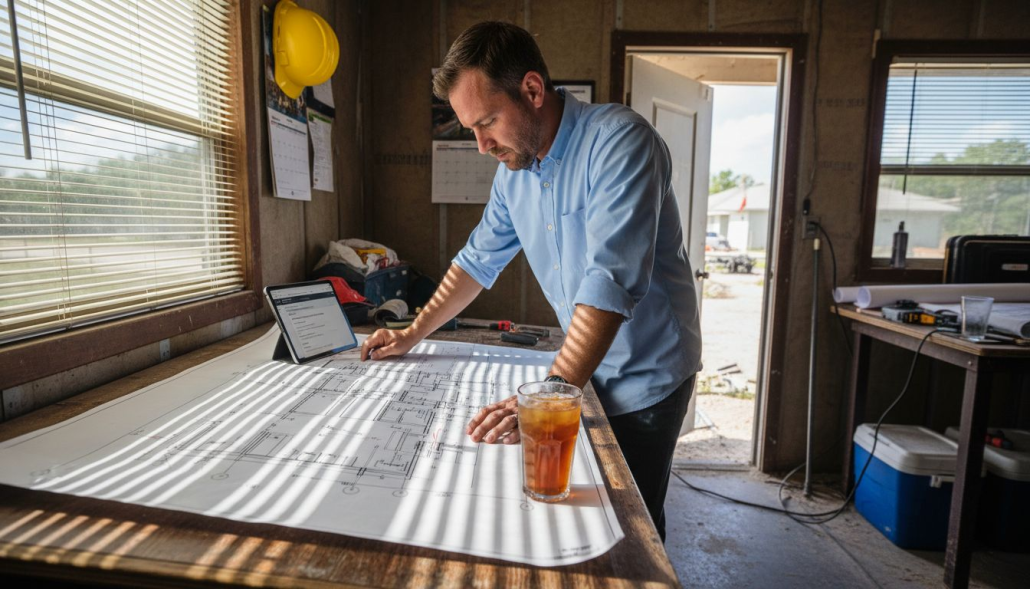
Managing a new construction or renovation project in Florida comes with unique plumbing challenges. Precise plumbing plans are essential when facing issues like high humidity, potential flooding, and strict permitting requirements. Whether you’re coordinating residential or commercial systems, understanding core plumbing system elements and Florida-specific regulations can simplify project execution while helping prevent costly mistakes. This guide brings clarity to technical blueprints, integrating local codes and engineering strategies for safer, code-compliant plumbing solutions.
Table of Contents
- Defining Plumbing Plans And Core Concepts
- Types Of Plumbing Plans And Their Purposes
- Florida Plumbing Code And Permitting Requirements
- How Plumbing Plans Integrate With Other Systems
- Cost, Liability, And Common Mistakes To Avoid
Key Takeaways
| Point | Details |
|---|---|
| Understanding Plumbing Plans | Plumbing plans are essential blueprints that map water supply, drainage, and waste systems for both residential and commercial projects, ensuring safety and functionality. |
| Types of Plumbing Plans | Different plumbing plans, such as water supply and sanitary drainage plans, address specific project needs and comply with rigorous guidelines to ensure safety and efficiency. |
| Compliance with Florida Codes | It’s crucial to navigate the Florida Plumbing Code for permitting, requiring detailed documentation and awareness of local environmental challenges for successful project execution. |
| Integration with Other Systems | Effective plumbing design necessitates coordination with structural, electrical, and HVAC systems, especially in Florida’s unique conditions that may complicate installation and performance. |
Defining Plumbing Plans and Core Concepts
Plumbing plans represent critical engineering blueprints that map out water supply, drainage, and waste management systems for residential and commercial projects across Florida. These comprehensive documents serve as essential roadmaps for construction professionals, detailing precise infrastructure requirements and ensuring safe, functional water distribution.
At their core, plumbing plans encompass several fundamental components that transform abstract designs into functional systems. Core plumbing system elements include:
- Water supply piping network
- Drainage and waste removal infrastructure
- Fixture placement and connection specifications
- Venting systems for pressure regulation
- Material specifications for pipes and components
The National Standard Plumbing Code establishes critical guidelines that govern these technical designs, ensuring public health and safety standards are consistently met. Understanding these codes requires recognizing how different building environments impact plumbing system configurations.
Building plumbing systems differ significantly from municipal water distribution networks, primarily due to scale and environmental interactions. Smaller diameter piping demands meticulous planning, with pipe materials and local conditions dramatically influencing system performance. Florida’s unique climate and geological characteristics further complicate these design considerations, necessitating specialized engineering expertise.
Pro tip: Always consult licensed engineers who understand local Florida building codes and environmental constraints when developing comprehensive plumbing plans.
Types of Plumbing Plans and Their Purposes
Plumbing plans are not one-size-fits-all documents, but rather specialized blueprints designed to address specific infrastructure needs across different project types. Comprehensive plumbing systems encompass multiple critical components that ensure safe and efficient water management for residential, commercial, and industrial environments.
Primary types of plumbing plans include:
- Water Supply Plans: Detailing potable water distribution networks
- Sanitary Drainage Plans: Mapping waste removal infrastructure
- Stormwater Management Plans: Addressing water runoff and drainage systems
- Specialized Systems Plans: Covering fire protection and medical gas installations
- Fixture Connection Plans: Specifying precise fixture placement and integration
Each plan type serves a unique purpose within the broader building infrastructure. The American Society of Plumbing Engineers design handbooks highlight the intricate design criteria and code requirements that govern these specialized blueprints, emphasizing the complexity of modern plumbing engineering.
In Florida, plumbing plans must account for unique environmental challenges, including high humidity, potential flooding, and corrosive coastal conditions. These factors demand meticulous attention to material selection, system configuration, and long-term durability. Engineers must carefully evaluate local building codes, geological considerations, and climate-specific requirements when developing comprehensive plumbing infrastructure designs.
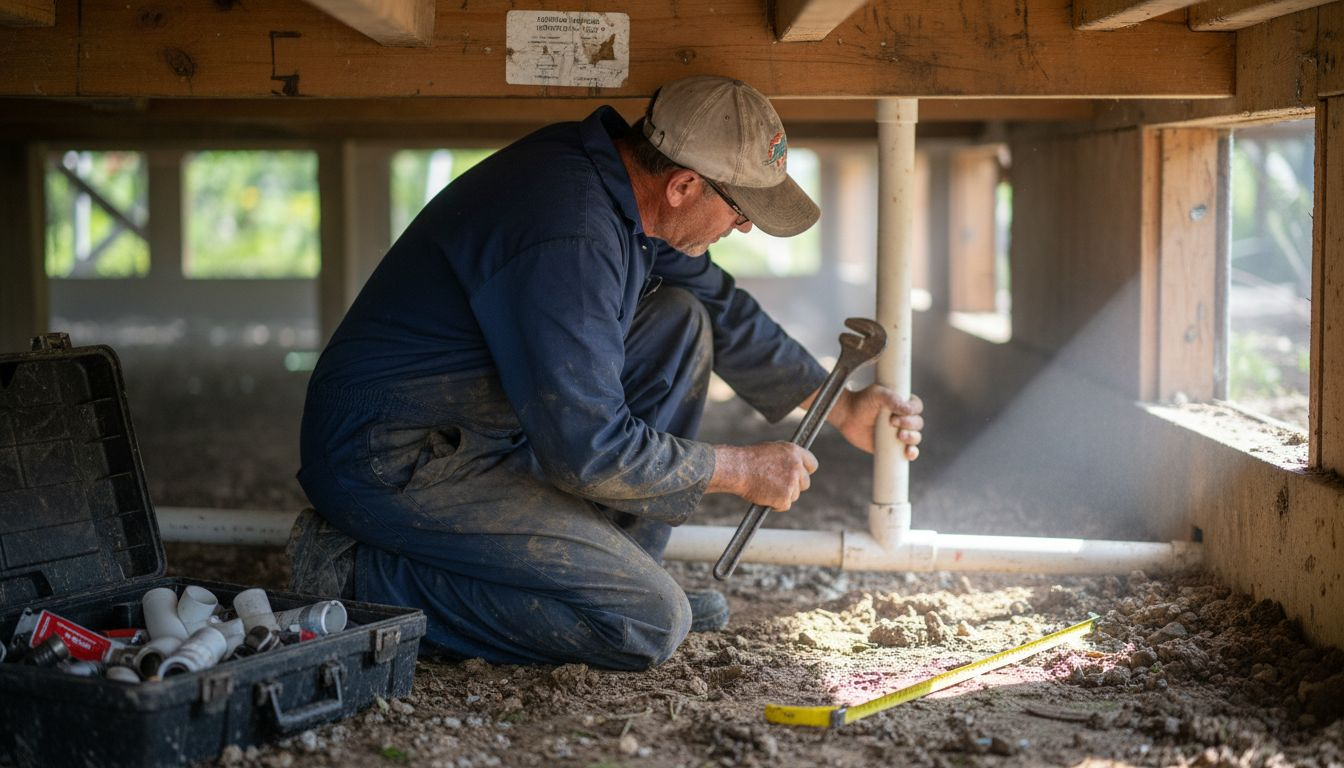
Here’s a summary of how Florida’s unique environmental challenges influence plumbing plan decisions:
| Environmental Challenge | Impact on Design | Key Engineering Solution |
|---|---|---|
| High humidity | Increases corrosion risk | Use corrosion-resistant materials |
| Potential flooding | Raises drainage needs | Plan elevated installations |
| Coastal conditions | Causes pipe degradation | Select specialized pipe coatings |
| Variable water tables | Affects waste removal systems | Integrate backflow prevention systems |
Pro tip: Collaborate with licensed engineers who specialize in Florida’s unique environmental conditions to ensure your plumbing plans meet both regulatory requirements and long-term performance standards.
Florida Plumbing Code and Permitting Requirements
Navigating the complex landscape of plumbing regulations requires a comprehensive understanding of Florida’s stringent building codes. The 2023 Florida Plumbing Code represents a critical framework that governs every aspect of plumbing installation, ensuring safety, sustainability, and compliance across residential and commercial projects.
Key permitting requirements for Florida plumbing projects include:
- Mandatory plan submissions for new constructions
- Detailed documentation of proposed plumbing systems
- Comprehensive compliance reviews by local jurisdictions
- Payment of applicable permit fees
- Scheduled inspections at critical construction stages
- Adherence to material and installation standards
Local municipalities play a crucial role in the permitting process, with specific administrative requirements that can vary between different Florida counties. These requirements extend beyond standard state codes, potentially introducing additional layers of review and compliance for plumbing projects.
The Florida Building Code 8th Edition (2023) encompasses comprehensive guidelines that address everything from material specifications to system performance standards. Engineers and contractors must demonstrate meticulous attention to detail, ensuring that every aspect of a plumbing system meets or exceeds the prescribed regulatory standards. This includes considerations for unique Florida environmental challenges such as high humidity, potential flooding, and corrosive coastal conditions.
Below is a comparison of primary Florida plumbing permit requirements and common contractor challenges:
| Permit Requirement | Why It’s Needed | Common Contractor Challenge |
|---|---|---|
| Detailed plans submission | Ensure code compliance | Missing documentation delays approval |
| Scheduled inspections | Quality control | Coordinating inspection timing |
| Fee payment | Fund local oversight | Unexpected fee increases |
| Compliance review | Safety verification | Keeping updated with code changes |
Pro tip: Maintain detailed documentation and engage with local building departments early in your project to streamline the permitting process and avoid potential compliance delays.
How Plumbing Plans Integrate With Other Systems
Successful project execution requires seamless integration between plumbing systems and other critical building infrastructure. Building Information Modeling (BIM) represents a transformative technology that enables engineers to create comprehensive 3D models demonstrating precise interactions between plumbing and adjacent building systems.
Key system integration points include:
- Coordination with architectural design elements
- Alignment with structural support requirements
- Mechanical system interface management
- Electrical system routing compatibility
- Fire protection system interactions
- HVAC system space and performance considerations
Multidisciplinary engineering demands intricate spatial planning and careful system choreography. Plumbing plans must account for potential conflicts with structural supports, electrical conduits, and mechanical equipment, ensuring that each system functions optimally without compromising overall building performance.
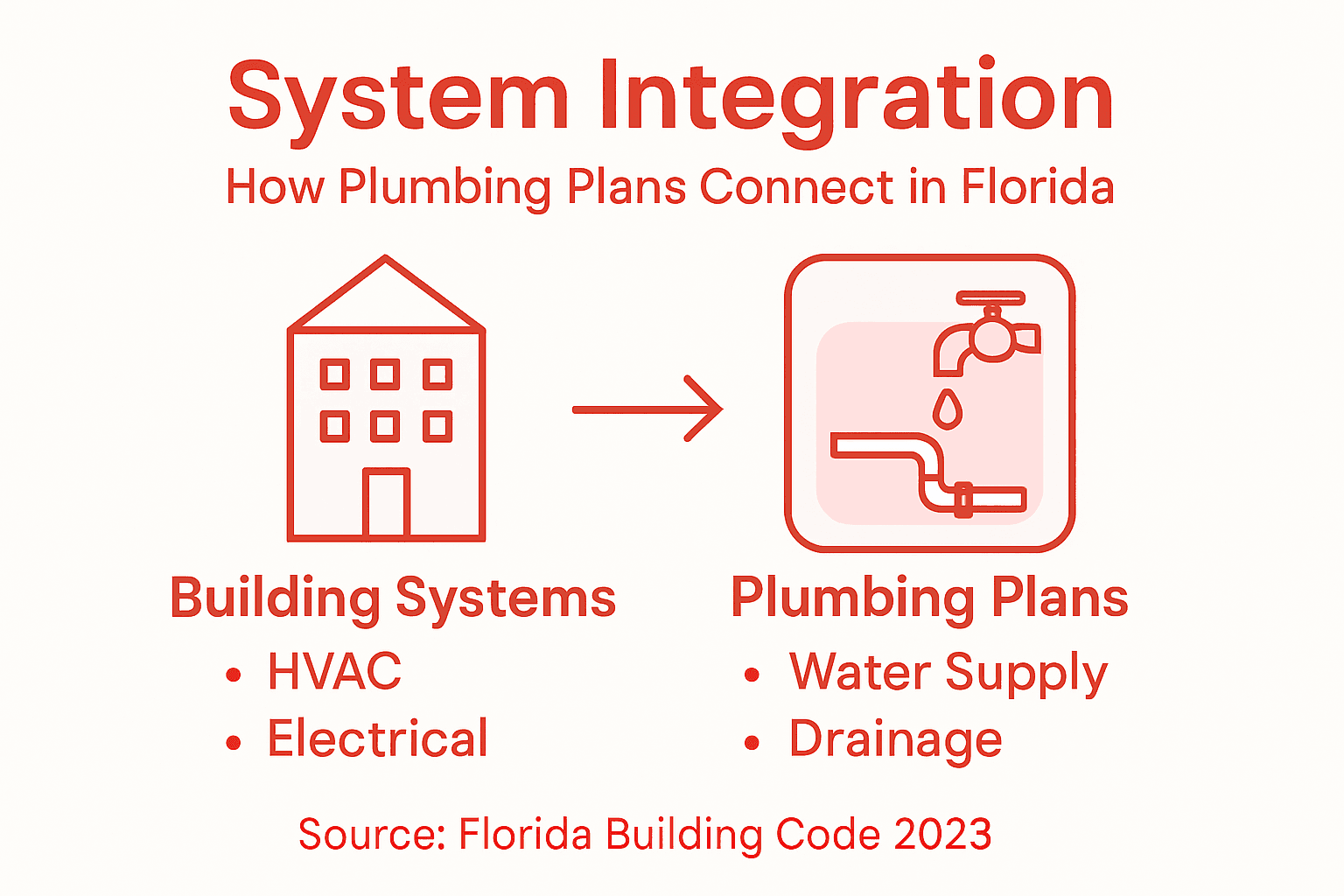
In Florida’s complex construction environment, engineers must navigate unique challenges such as high humidity, potential flooding, and corrosive coastal conditions. This requires advanced modeling techniques that anticipate potential system interactions and proactively address potential performance limitations before construction begins. Advanced computational tools now enable real-time clash detection and system optimization, dramatically reducing potential rework and improving project efficiency.
Pro tip: Invest in advanced BIM technologies and prioritize interdisciplinary collaboration to ensure smooth system integration and minimize potential conflicts during project execution.
Cost, Liability, and Common Mistakes to Avoid
Plumbing projects in Florida involve complex financial and legal considerations that can significantly impact project success. Understanding construction contract liability limits becomes crucial for managing potential financial risks and protecting professional interests.
Common costly mistakes in plumbing planning include:
- Underestimating material and installation costs
- Failing to account for local environmental challenges
- Overlooking specific Florida building code requirements
- Inadequate site-specific risk assessment
- Insufficient contingency budget planning
- Neglecting potential system compatibility issues
Financial risks in plumbing projects extend beyond direct construction expenses. Professional liability can create substantial exposure, particularly when design errors or system failures lead to significant property damage or functional compromises. Contractors and engineers must carefully structure contracts that balance risk allocation while maintaining clear performance expectations.
Construction bid preparation demands meticulous attention to detail, with careful verification of assumptions and comprehensive risk evaluation. Florida’s unique environmental conditions—including high humidity, potential flooding, and corrosive coastal atmospheres—introduce additional complexity that can dramatically influence project costs and potential liability exposure.
Pro tip: Consult specialized legal and engineering professionals to develop comprehensive risk management strategies that protect your project’s financial and legal interests.
Ensure Your Florida Plumbing Plans Meet Every Critical Requirement
Navigating the complex demands of plumbing plans for Florida projects requires expert guidance to address key challenges like environmental impact, strict Florida Plumbing Code compliance, and seamless integration with other building systems. If you are managing high humidity, potential flooding, or corrosive coastal conditions in your designs don’t risk costly mistakes or delays. Our team specializes in comprehensive engineering solutions including precise plumbing blueprints, permitting expediting, and detailed inspections tailored to Florida’s unique requirements.

Discover peace of mind by partnering with professionals who understand the critical elements involved in your plumbing systems. Visit our Engineering and Inspection Archives – Florida Licensed Engineers to learn how we support residential and commercial projects with expert planning, forensic investigations, and permitting services. Don’t wait until compliance issues or integration problems stall your progress. Contact us at Florida Licensed Engineers today to get started and ensure your plumbing plans are robust, code-compliant, and built to last.
Frequently Asked Questions
What are the main components included in plumbing plans?
Plumbing plans typically include a water supply piping network, drainage and waste removal infrastructure, fixture placement, venting systems for pressure regulation, and material specifications for pipes and components.
Why is it important to consult licensed engineers for plumbing plans?
Consulting licensed engineers is crucial to ensure that plumbing plans adhere to local building codes and environmental constraints, which can significantly impact system performance and safety.
How do Florida’s environmental challenges influence plumbing system design?
Florida’s unique environmental challenges, such as high humidity and potential flooding, require engineers to select corrosion-resistant materials, plan for elevated installations, and integrate backflow prevention systems to enhance durability and functionality.
What are the typical permitting requirements for plumbing projects in Florida?
Permitting requirements generally include mandatory plan submissions, compliance reviews by local municipalities, scheduled inspections, and payment of permit fees, all aiming to ensure safety and compliance with state building codes.
Recommended
- 7 Types of Plumbing Plans Every Contractor Should Know – Florida Licensed Engineers
- Role of Mechanical Plans in Project Success – Florida Licensed Engineers
- Inspection Types Explained: What Florida Projects Need – Florida Licensed Engineers
- How to Design MEP Plans for Permitting Success – Florida Licensed Engineers
- Gutter Sizing Explained: Protecting Florida Homes

