
How to Get Building Permits in Florida: A Step-by-Step Guide
TL;DR:
- Proper understanding and preparation prevent costly delays and permit rejections in Florida construction projects.
- Complete, organized documentation and early engineer involvement streamline the permit approval process.
- Local rules and nuances vary widely; consulting your building department ensures compliance and efficiency.
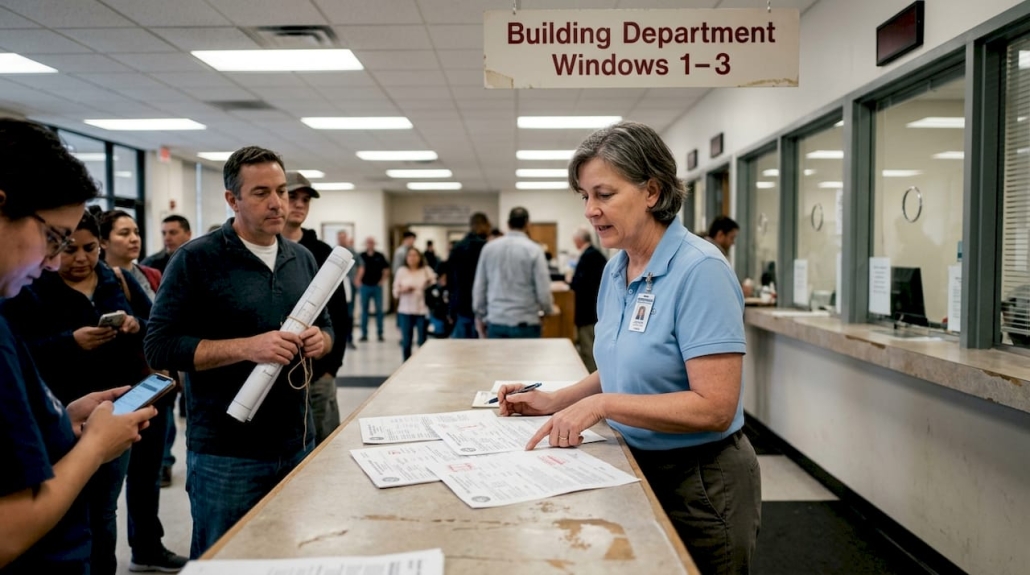
Imagine you’ve hired a contractor, ordered materials, and set a start date, only to discover your project is stalled because of a missing permit or a rejected application. In Florida, permitting mistakes are one of the most common reasons construction projects run over budget and schedule. Whether you’re a homeowner planning a room addition or a contractor managing a commercial build, understanding the permit process before you break ground saves you time, money, and serious headaches. Local rules vary more than most people expect, and solid preparation is the single biggest factor separating smooth approvals from frustrating back-and-forth with your building department.
Table of Contents
- Do you need a building permit? Understanding requirements
- Gathering your documents: What you need before you apply
- Step-by-step: Florida’s permit application and review process
- Special circumstances, inspections, and final approval
- A fresh perspective: Why local knowledge and preparation matter most
- Streamline your next permit with expert support
- Frequently asked questions
Key Takeaways
| Point | Details |
|---|---|
| Know if a permit is needed | Verify your project’s requirements early to avoid costly compliance issues. |
| Prepare full documentation | Gather plans, proof of ownership, and all required documents before you begin the application. |
| Expect local differences | Permit timelines, fees, and steps can vary widely by county and city within Florida. |
| Inspections ensure compliance | Prepare for mandatory inspections during and after construction to obtain final approval. |
| Professional guidance accelerates approval | Consulting with licensed engineers or permit specialists can help fast-track your project. |
Do you need a building permit? Understanding requirements
Not every project requires a permit, but assuming you don’t need one is a costly gamble. Florida law requires permits for a wide range of work, and local jurisdictions can add their own requirements on top of state minimums. Knowing where your project falls before you start is the first step.
According to permitting exemptions, projects that typically require a permit include:
- New construction of any structure
- Room additions and garage conversions
- Roof replacements (not just repairs)
- HVAC system installations or replacements
- Electrical panel upgrades and rewiring
- Plumbing changes, including water heater replacements
- Swimming pools and screen enclosures
- Impact windows and exterior doors
- Structural changes of any kind
On the other hand, work that is generally exempt from permits includes minor cosmetic upgrades like painting, flooring replacement, cabinet installation, and small repairs under a certain dollar threshold. However, these exemptions are not universal across Florida’s 67 counties.
Florida adds a layer of complexity that other states don’t face. If your property sits in a flood zone, your project must meet elevation and floodproofing requirements that directly affect what gets permitted and how. Miami-Dade and Broward counties fall under the High Velocity Hurricane Zone (HVHZ), which enforces stricter wind resistance standards for roofing, windows, and structural components. These aren’t just bureaucratic hurdles. They exist because Florida’s weather genuinely demands stronger construction.
Commercial projects face an entirely different tier of scrutiny. Fire suppression systems, ADA compliance, occupancy classifications, and zoning all come into play before a single permit application is reviewed. If you’re unsure where your project lands, reviewing a construction permitting checklist before you call the building department will save you a lot of confusion.
Pro Tip: Never assume your project is exempt based on what a neighbor did or what you read online. Call your local city or county building department directly, because the rules in Orlando can differ meaningfully from those in Tampa or Fort Lauderdale.
Gathering your documents: What you need before you apply
Once you’ve confirmed your project needs a permit, organizing your paperwork before you submit is the move that separates prepared applicants from those who make multiple trips to the building department. Incomplete applications are the number one cause of delays.
As outlined in the permit process documentation, a complete application typically requires site plans, engineered drawings, proof of ownership, and contractor license and insurance verification. Here’s how that breaks down by project type:
| Document | Residential | Commercial |
|---|---|---|
| Site plan | Required | Required |
| Architectural drawings | Often required | Always required |
| Structural/engineered plans | For structural work | Always required |
| Contractor license | Required | Required |
| Proof of insurance | Required | Required |
| Proof of ownership | Required | Required |
| Energy compliance forms | Required | Required |
| Zoning approval | Sometimes | Usually required |
If you’re a homeowner doing the work yourself, Florida allows owner-builder permits under FL Statute 489.103(7). However, there are real restrictions. You must occupy the home as your primary residence, you can’t sell the property within one year of completion without disclosing the owner-builder work, and you take on full legal responsibility for code compliance. This is a legitimate path for experienced DIYers, but it’s not something to take lightly.
Engineered drawings are often the piece homeowners underestimate. For any structural, mechanical, electrical, or plumbing work beyond basic repairs, a licensed engineer’s sealed plans are required. Understanding the engineer’s role in permitting early in your planning process prevents last-minute scrambles for documentation.
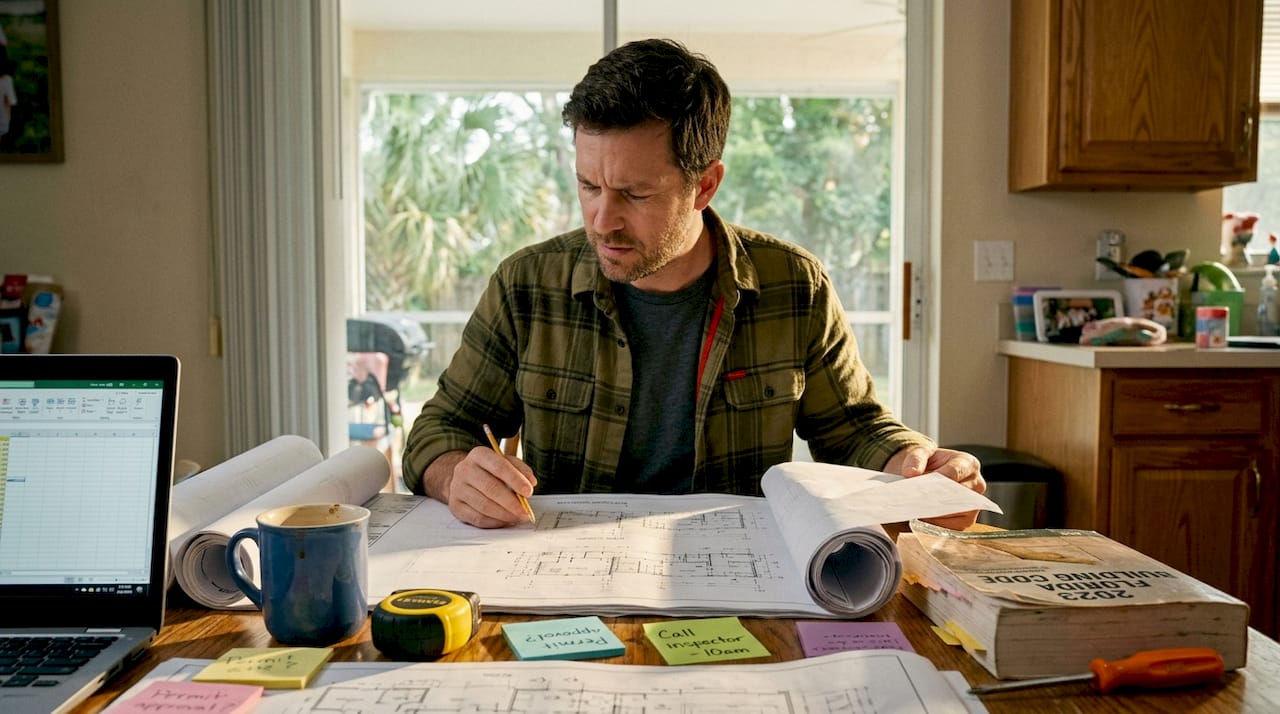
A solid site plan checklist should include property boundaries, setbacks, existing structures, utility locations, and drainage details. Missing any of these elements is a fast way to get your application kicked back.
Pro Tip: Download your county’s permit application checklist directly from their website and check off every item before submitting. A complete application on the first try can shave weeks off your timeline.
Step-by-step: Florida’s permit application and review process
With your documentation in hand, you’re ready to navigate the application process, which can differ by Florida’s many local jurisdictions. Here’s the general sequence:
- Identify the correct permit type for your project (building, electrical, mechanical, plumbing, or a combination).
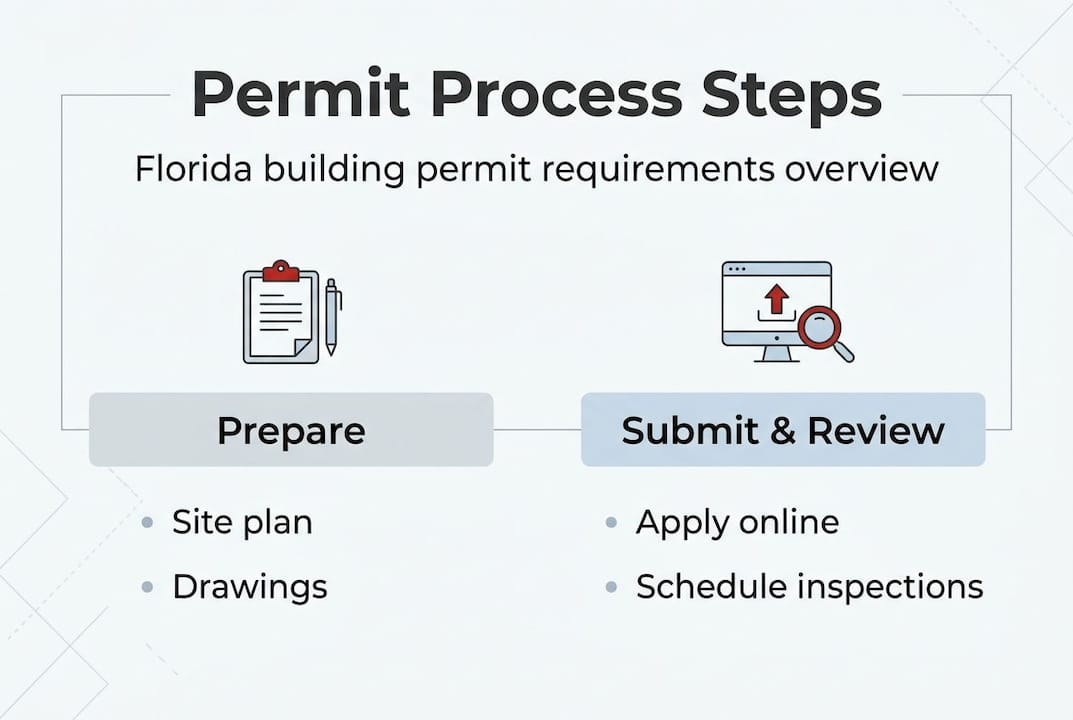
- Submit your application either online through your county’s portal or in person at the building department.
- Pay the permit fees at submission. Fees are typically 0.5 to 1% of the total project value, though this varies by county and project type.
- Wait for plan review. A plans examiner checks your documents for code compliance. This is where completeness matters most.
- Respond to correction notices promptly. If the reviewer flags issues, you’ll receive a correction list and must resubmit revised plans.
- Receive your permit and post it visibly at the job site before work begins.
Timelines and processes vary across Florida. Here’s a quick comparison of three major jurisdictions:
| Jurisdiction | Online portal | Avg. plan review time | Notable requirement |
|---|---|---|---|
| Miami-Dade | Yes (iBuild) | 4 to 8 weeks | HVHZ product approvals required |
| Pinellas County | Yes | 2 to 4 weeks | Flood zone review common |
| Hillsborough County | Yes | 3 to 6 weeks | Contractor license verification upfront |
For commercial projects or large residential builds, the Miami permitting portal offers detailed guidance specific to that jurisdiction. Understanding plan review process tips before you submit can dramatically reduce back-and-forth with the reviewer.
Warning: An incomplete application doesn’t just delay your project. It resets your position in the review queue. Every missing document costs you days or weeks, not hours.
Fee structures also vary. Some counties use the ICC valuation method, which calculates fees based on the construction type and square footage using published construction cost tables. Others use a flat rate per trade permit. Ask your building department how fees are calculated before you budget for permitting costs.
For a deeper look at what happens after submission, the construction inspection guide covers what to expect at each phase.
Special circumstances, inspections, and final approval
After you submit your application, being prepared for special scenarios and understanding inspection steps is key to smooth approval. Some projects trigger additional review layers that catch applicants off guard.
Key special circumstances include:
- Flood zone properties: Structures must meet FEMA elevation requirements. Flood zone compliance often requires an elevation certificate and engineered floodproofing details.
- HVHZ projects: Miami-Dade and Broward require product approval documentation for roofing materials, windows, and doors before permits are issued.
- Storm damage repairs: If your property was damaged in a hurricane or flood, after-the-fact permits can legalize repairs, but deadlines and eligibility rules apply.
- Historic districts: Additional review boards may need to approve exterior changes before the building department will issue a permit.
Once your permit is issued and work begins, inspections are mandatory at specific construction milestones. Typical inspection stages include:
- Foundation or slab inspection (before pouring concrete)
- Framing inspection (before walls are closed)
- Rough-in inspections for electrical, plumbing, and mechanical
- Insulation inspection
- Final inspection for each trade and overall project
Plan review times in Florida range from 2 to 8 weeks depending on county workload and application completeness. Busy counties during post-hurricane rebuilding seasons can push timelines even further.
If an inspector flags a correction, you’ll receive a written notice. Address it quickly and schedule a re-inspection. Delays in responding extend your project timeline and can trigger permit expiration if work stalls too long. Reviewing fast permit approval strategies and the full inspection requirements guide helps you stay ahead of these moments.
Pro Tip: Schedule your inspections as soon as each phase of work is complete. Most counties allow online scheduling, and early morning slots often get faster turnaround than afternoon requests.
A fresh perspective: Why local knowledge and preparation matter most
Here’s something most permitting guides won’t tell you: the majority of project delays aren’t caused by complicated rules. They’re caused by overlooked local nuances and poor communication between the homeowner, contractor, and engineer.
Miami and Pinellas County both follow the Florida Building Code, but their processes, portal systems, reviewer preferences, and response times are genuinely different. A contractor who pulls permits in Pinellas every week may submit an application in Miami and be caught off guard by product approval requirements they didn’t anticipate. That gap costs real money.
The teams that consistently get fast approvals share one habit: they bring their engineer into the conversation early, before plans are drawn, not after. An engineer who understands success through planning will flag local requirements, coordinate with the building department, and produce documents that reviewers can approve without corrections. Even experienced contractors benefit from that outside perspective. It’s not a sign of inexperience to ask for help. It’s a sign of professionalism.
Streamline your next permit with expert support
Navigating Florida’s permitting landscape is manageable when you have the right team behind you. Professional engineering and permitting support can cut approval time significantly by ensuring your documents are complete, code-compliant, and formatted exactly the way local reviewers expect.

At Florida Licensed Engineers, we handle the full scope of permit-related services, from architectural and structural plans to mechanical, electrical, and plumbing drawings. Our engineering services overview covers everything from site plans and flood mitigation analysis to elevation certificates and permitting expediter services. If you want to understand exactly how an engineer supports your permit from start to finish, our breakdown of the engineer’s role in permitting is the right place to start. Ready to move forward? Visit Florida Licensed Engineers to connect with our team.
Frequently asked questions
How long does it take to get a building permit in Florida?
Most building permits take 2 to 8 weeks for approval, depending on your county’s workload and the completeness of your application.
Can homeowners pull permits themselves in Florida?
Homeowners can pull owner-builder permits for their primary residence, but disclosure requirements and restrictions on selling the home within one year apply.
What if I start work without a permit?
Unpermitted work can lead to fines, stop-work orders, and potential demolition orders. In some cases, after-the-fact permits can legalize the work, especially for storm repairs, but eligibility rules and deadlines apply.
What types of construction projects typically require a permit?
Any new build, addition, roof replacement, major system change, pool, or impact window installation typically requires a permit. Minor cosmetic work like painting generally does not.
Do building permit rules differ by city or county in Florida?
Processes and requirements vary significantly by locality, so always check your specific city or county’s permitting site before you apply.
Recommended
- Home Builder Permit Guide for Fast Florida Approvals – Florida Licensed Engineers
- How to Start Construction Project in Florida: Step-by-Step Guide – Florida Licensed Engineers
- Design and Permitting: Florida Construction Success – Florida Licensed Engineers
- How to install hardwood flooring: step-by-step guide

