
Forensic Investigation in Construction – Ensuring Safety and Compliance
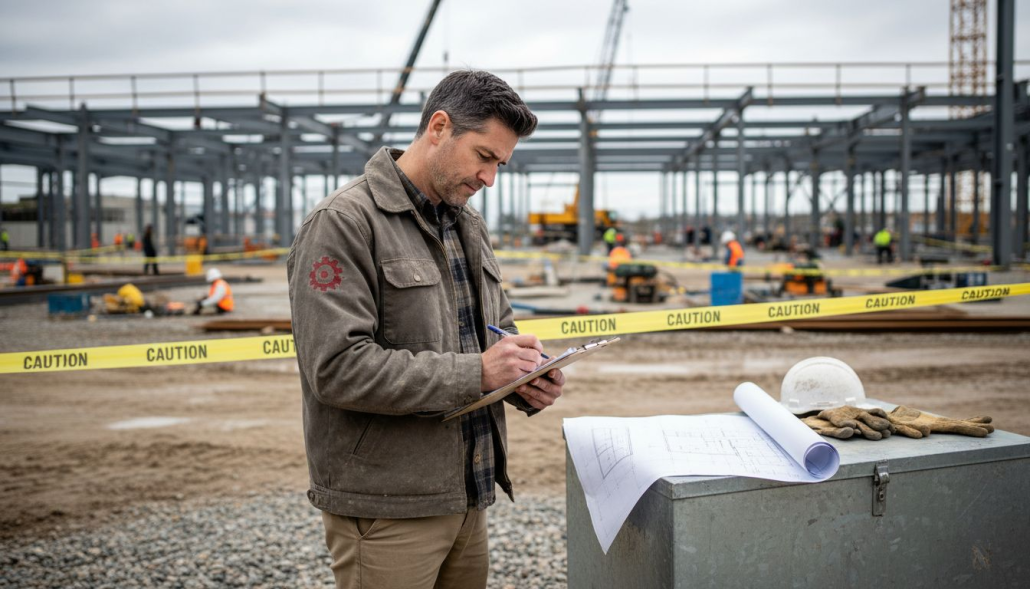
Structural problems in construction can disrupt daily life or business in Florida, triggering urgent questions about safety and compliance. When buildings show signs of distress or legal challenges arise, forensic investigation offers a scientific path to clarity. With principles like unbiased analysis and meticulous evidence preservation guiding every step, you gain credible answers to root causes and legal requirements so you can make confident decisions about repairs or compliance solutions.
Table of Contents
- Core Principles Of Forensic Investigation
- Main Types Of Forensic Investigations In Construction
- Step-By-Step Forensic Investigation Process
- Legal And Regulatory Considerations In Florida
- Common Issues, Costs, And Owner Responsibilities
Key Takeaways
| Point | Details |
|---|---|
| Independent Analysis | Forensic investigations require objective analysis free from personal bias to ensure credibility. |
| Evidence Integrity | Meticulously collect and preserve all evidence to maintain its integrity for legal admissibility. |
| Specialized Expertise | Engage licensed forensic engineers with relevant experience to conduct thorough investigations. |
| Proactive Management | Property owners should implement regular inspections and maintenance to mitigate potential structural issues. |
Core Principles of Forensic Investigation
Forensic investigation in construction requires a systematic and scientific approach to uncovering structural issues, potential failures, and compliance concerns. At its core, forensic engineering demands rigorous methodologies that ensure accurate, transparent, and legally admissible findings. Forensic science principles emphasize unbiased analysis and meticulous evidence preservation.
The fundamental principles guiding forensic investigations include:
- Independent and Objective Analysis: Eliminating personal bias and maintaining professional neutrality
- Evidence Preservation: Carefully collecting, documenting, and storing all physical and digital evidence
- Scientific Methodology: Applying systematic research techniques and standardized investigative protocols
- Reproducibility: Ensuring investigation methods can be replicated and validated by other experts
These principles are critical in construction forensics, where detailed examination can reveal critical insights about structural integrity, potential design failures, or compliance violations. Investigators must follow a comprehensive approach that includes:
- Comprehensive Site Documentation
- Detailed Evidence Collection
- Advanced Analytical Techniques
- Thorough Reporting and Expert Testimony
Forensic investigation is not about assigning blame, but understanding the technical root causes of structural issues.
Locard’s Exchange Principle, a cornerstone of forensic science, suggests that every interaction leaves trace evidence. In construction forensics, this means every structural failure or defect contains critical information about its origin and progression.

Pro Tip: Always document the forensic investigation process meticulously, capturing every observation and measurement to ensure the credibility of your findings.
Main Types of Forensic Investigations in Construction
Forensic investigations in construction encompass a diverse range of specialized assessments designed to uncover structural issues, potential failures, and safety concerns. Forensic investigation techniques play a critical role in understanding complex building-related problems and providing expert analysis for legal, insurance, and safety purposes.
The primary types of forensic investigations in construction include:
- Structural Failure Analysis: Investigating the root causes of building collapses, foundation issues, or structural integrity compromises
- Construction Defect Investigations: Identifying and documenting design, material, or workmanship issues that impact building performance
- Accident and Damage Investigations: Examining incidents that result in property damage, personal injury, or unexpected structural failures
- Compliance and Standards Verification: Assessing whether construction practices meet local, state, and federal regulatory requirements
Each type of investigation requires a unique approach and specialized expertise:
Here’s a comparison of key forensic investigation types and the expertise they require:
| Investigation Type | Main Objective | Typical Expertise Needed |
|---|---|---|
| Structural Failure Analysis | Determine collapse or defect causes | Structural engineering, materials science |
| Construction Defect Investigation | Identify design/material/construction faults | Building codes, architecture |
| Accident & Damage Investigation | Analyze incidents, injury, or damage | Risk assessment, civil forensics |
| Compliance & Standards Verification | Assess regulatory and code adherence | Code compliance, legal standards |
-
Structural Failure Analysis involves:
- Detailed site examination
- Material testing
- Load and stress calculations
- Comprehensive documentation of failure mechanisms
-
Construction Defect Investigations focus on:
- Identifying design inconsistencies
- Evaluating material quality
- Assessing installation techniques
- Determining potential long-term implications
Forensic investigations are not about placing blame, but understanding the technical factors that contribute to structural problems.
Advanced technologies like 3D scanning, thermal imaging, and non-destructive testing methods have revolutionized forensic investigation techniques, allowing engineers to conduct more precise and comprehensive assessments.
Pro Tip: Always engage a licensed forensic engineer with specific experience in the type of investigation required to ensure the most accurate and comprehensive analysis.
Step-by-Step Forensic Investigation Process
Forensic investigations in construction require a systematic and meticulous approach to uncovering structural issues and potential failures. Forensic engineering process involves a comprehensive methodology that ensures thorough and scientifically rigorous analysis.
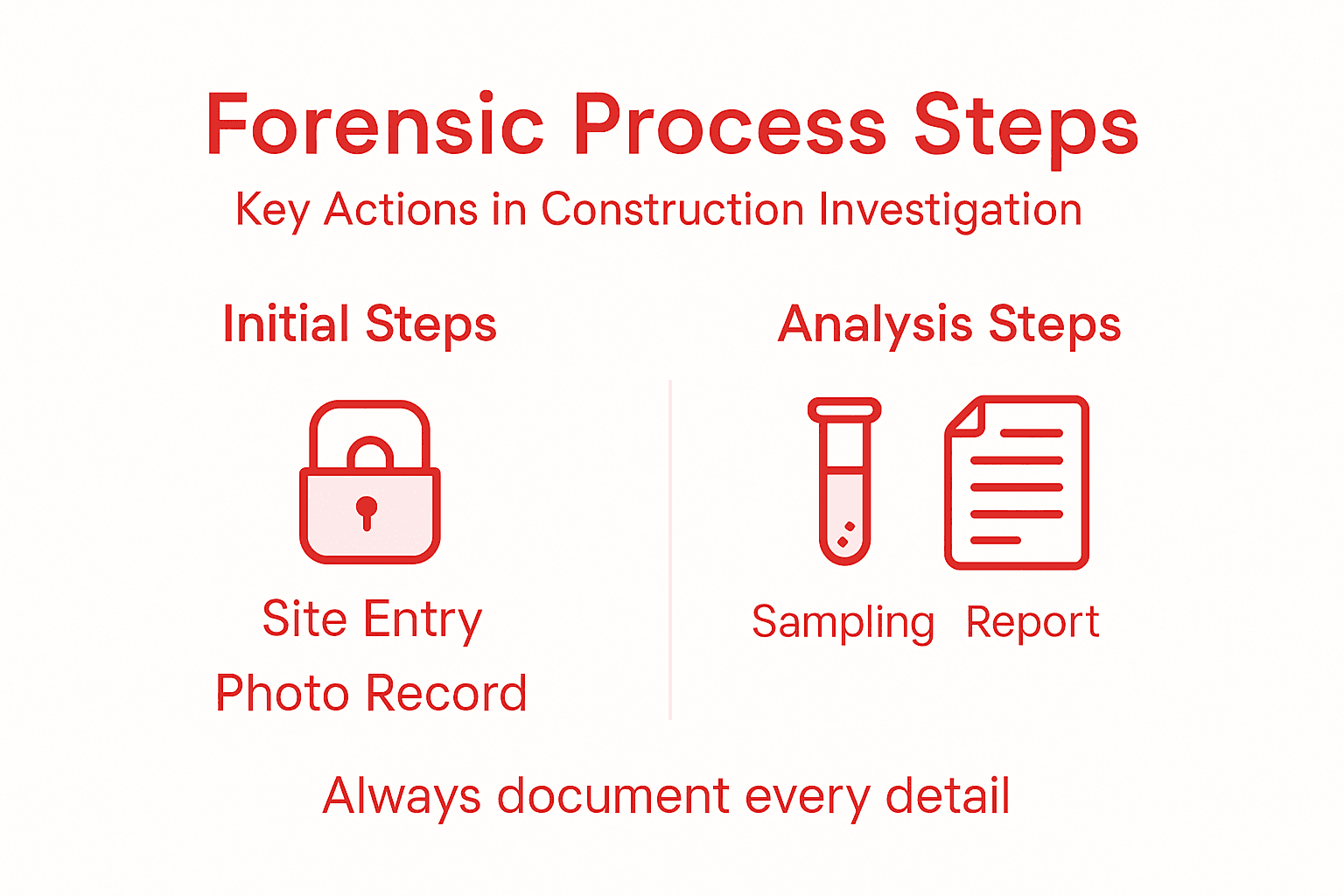
The standard forensic investigation process typically follows these critical stages:
-
Initial Consultation and Case Evaluation
- Gathering preliminary information
- Understanding client concerns
- Defining investigation scope
- Establishing preliminary hypotheses
-
Comprehensive Site Investigation
- Detailed visual site inspection
- Photographic and video documentation
- Precise measurements and mapping
- Initial evidence collection
-
Evidence Collection and Preservation
- Systematic evidence gathering
- Proper storage and chain of custody
- Detailed documentation
- Secure handling of physical and digital evidence
-
Advanced Analytical Techniques
- Material testing
- Structural analysis
- Computer modeling
- Non-destructive examination methods
-
Data Analysis and Interpretation
- Correlating collected evidence
- Identifying root causes
- Developing scientific conclusions
- Reconstructing potential failure scenarios
The success of a forensic investigation hinges on methodical documentation and unbiased scientific analysis.
Each stage requires specialized expertise and sophisticated technological tools. Modern forensic engineers utilize advanced technologies like 3D laser scanning, thermal imaging, and computer simulation to develop comprehensive and precise investigative reports.
Critical Components of forensic investigation include:
- Maintaining strict scientific objectivity
- Preserving evidence integrity
- Following standardized investigative protocols
- Providing clear, actionable technical insights
Pro Tip: Document every observation and measurement meticulously, as even seemingly minor details can become crucial evidence in forensic investigations.
Legal and Regulatory Considerations in Florida
Forensic investigations in construction demand strict adherence to Florida’s complex legal and regulatory frameworks. Forensic investigation standards establish critical guidelines for maintaining professional integrity and ensuring admissible evidence in potential legal proceedings.
Key legal considerations for forensic engineers in Florida include:
- Statutory Compliance: Following Florida Building Code regulations
- Professional Licensure: Maintaining current engineering credentials
- Evidence Standards: Documenting investigations according to legal requirements
- Liability Protection: Understanding professional responsibility boundaries
Florida’s regulatory environment for forensic investigations involves multiple critical components:
-
Regulatory Agency Oversight
- Florida Department of Business and Professional Regulation
- Construction Industry Licensing Board
- Florida Engineering Management Corporation
-
Documentation Requirements
- Detailed investigation reports
- Objective scientific analysis
- Chain of evidence preservation
- Comprehensive photographic documentation
Forensic engineers must balance technical expertise with strict legal and ethical standards.
Environmental forensic investigations have additional regulatory frameworks that govern contamination assessments, requiring precise technical documentation without rendering legal opinions.
Critical Legal Considerations for forensic engineers include:
- Maintaining complete professional objectivity
- Avoiding speculative statements
- Providing scientifically verifiable conclusions
- Understanding potential litigation implications
Pro Tip: Always consult with legal counsel to understand the potential evidentiary implications of your forensic investigation findings.
Common Issues, Costs, and Owner Responsibilities
Construction forensic investigations reveal complex challenges that directly impact property owners’ financial and legal responsibilities. Building inspection protocols are critical for identifying potential risks and mitigating expensive structural problems before they escalate.
Common issues encountered in construction forensic investigations include:
-
Structural Integrity Concerns
- Foundation settlement
- Concrete degradation
- Reinforcement corrosion
- Moisture intrusion damage
-
Material Failure Indicators
- Premature material deterioration
- Substandard construction materials
- Improper installation techniques
- Chemical incompatibility
Cost Implications vary significantly depending on the complexity and extent of the investigation:
For quick reference, here’s a summary of common investigation issues and likely cost ranges:
| Issue Type | Potential Findings | Typical Investigation Cost |
|---|---|---|
| Foundation Movement | Settlement, soil instability | $2,500 – $10,000 |
| Material Failures | Corrosion, poor quality | $5,000 – $25,000 |
| Water Intrusion | Moisture, damage | $2,500 – $10,000 |
| Major Structural Defect | Large-scale intervention | $50,000 – $500,000+ |
-
Basic Forensic Assessment Costs
- Initial site inspection: $500 – $2,500
- Comprehensive investigation: $2,500 – $10,000
- Advanced diagnostic testing: $5,000 – $25,000
-
Potential Remediation Expenses
- Minor repairs: $5,000 – $50,000
- Major structural interventions: $50,000 – $500,000
- Complete reconstruction: $500,000+
Property owners must proactively manage potential risks through regular professional assessments.
Owner responsibilities extend beyond initial construction, requiring ongoing vigilance and strategic maintenance planning. Successful risk management involves understanding potential failure modes and implementing preventative measures.
Owner Responsibilities include:
- Conducting regular professional inspections
- Maintaining comprehensive documentation
- Addressing issues promptly
- Implementing preventative maintenance strategies
Pro Tip: Budget approximately 1-2% of your property’s total value annually for comprehensive forensic assessments and preventative maintenance.
Ensure Structural Safety and Compliance with Expert Forensic Services
Dealing with complex construction failures or compliance concerns demands thorough and scientifically grounded investigations. If you face challenges like structural defects, foundation issues, or regulatory uncertainties, our professional forensic engineering solutions are designed to provide clarity and peace of mind. We combine meticulous evidence preservation and advanced analytical techniques to identify root causes and support your critical decisions.

Take control of your project’s safety with our comprehensive forensic investigation and reports. Backed by expertise in architectural, structural, and civil engineering services, we help you navigate building codes, resolve defects, and manage risks effectively. Visit our main site today and partner with licensed engineers committed to delivering precise, legally sound, and actionable forensic assessments.
Frequently Asked Questions
What is the primary purpose of forensic investigation in construction?
Forensic investigation in construction aims to uncover structural issues, potential failures, and compliance concerns through systematic and scientific methods.
What are the core principles guiding forensic investigations?
The core principles include independent and objective analysis, evidence preservation, scientific methodology, and reproducibility, ensuring accurate and legally admissible findings.
What are the main types of forensic investigations in construction?
The main types include structural failure analysis, construction defect investigations, accident and damage investigations, and compliance and standards verification, each requiring specialized expertise.
How much does a forensic investigation typically cost?
Costs vary widely depending on the complexity of the investigation, ranging from $500 for initial site inspections to $500,000 or more for major structural interventions or complete reconstructions.
Recommended
- Forensic Investigation in Construction: Complete Guide – FloridaLicensedEngineers.com
- Forensic Investigation in Construction: Complete Guide – Florida Licensed Engineers
- Forensic Engineering Investigation Guide for Accurate Results – Florida Licensed Engineers
- Forensic Engineering Investigation Guide for Accurate Results – FloridaLicensedEngineers.com
- Coating Inspection: Securing Infrastructure Longevity


